
Mile High winters and blistering summers definitely take a toll on how your car runs. Your tires will last much longer if you fix the alignment twice a year. Proper wheel angles prevent drifting on the highway. Catch alignment issues early to keep your vehicle running smooth for years.
Importance of Wheel Alignment for Seasonal Driving in Denver
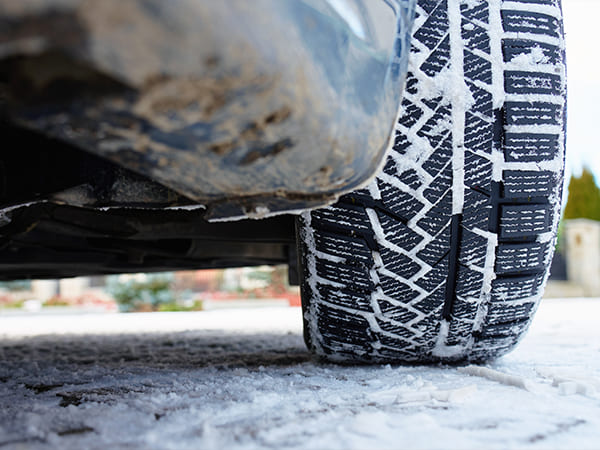
In Denver, the seasons can wreak havoc on your vehicle’s alignment. With the harsh winter weather, including snow and ice, combined with hot summers, your car’s suspension and alignment components are put under a great deal of stress. If not properly aligned, your vehicle’s performance can deteriorate quickly, leading to uneven tire wear, handling issues, and more expensive repairs down the line.
Denver’s unique geography and fluctuating temperatures can exacerbate this problem. During winter, the city’s icy roads combined with potholes caused by freeze-thaw cycles can knock the alignment out of spec. The warmer months, on the other hand, see heavier traffic and more road repairs, which also add to the strain on your vehicle’s suspension system.
How Wheel Alignment Affects Vehicle Performance
Wheel alignment refers to the angle at which your vehicle’s wheels make contact with the road. Proper alignment ensures that your tires are angled correctly, which affects how your car handles, the wear on your tires, and your vehicle’s overall fuel efficiency.
When the wheels are misaligned, your vehicle will pull to one side, and tires will wear unevenly. This leads to premature tire replacement and a decrease in gas mileage, as misalignment increases rolling resistance.
Best Times to Check Your Car’s Wheel Alignment in Denver
Here are key times when you should consider checking your wheel alignment in Denver:
1. Pre-Winter Alignment Check for Safe Driving
Denver’s frozen roads beat up your car’s struts and shocks. Hitting deep craters or sliding on black ice messes with your steering. Schedule a maintenance visit before the roads get messy. Proper care helps your car fight off the cold. It also makes sure your tires actually grab the asphalt when things get slippery.
2. Post-Winter Alignment Check to Correct Misalignment
Your car takes a beating when temperatures drop. Between icy ruts and jagged pavement, your alignment rarely stays straight for long. Little wobbles trigger a major drift. Swing by the shop for a tire inspection as soon as the spring thaw hits. A shaky steering wheel or a car that drifts to the side usually means winter potholes ruined your alignment.
3. Check Alignment After Hitting Potholes or Road Hazards
Denver’s transition from winter to spring, with its freezing and thawing cycles, causes the ground to shift and the asphalt to crumble into potholes. Even light impacts can damage your suspension and cause shaky handling and tire wear. If you’ve hit a deep pothole, have a mechanic check your alignment to prevent premature tire wear.
4. Signs Your Car Needs an Alignment Check
You should have your car’s alignment checked if you notice any of these signs: a steering wheel that is off-center or a car that is pulling to one side, or your tires are wearing unevenly. It’s not only important for vehicle safety, but it also helps to avoid costly repairs down the road.
Problems Caused by Misalignment and How It Affects Your Car
Misalignment can lead to several issues that affect both vehicle performance and safety. Some common problems include:
- Uneven Tire Wear: If your wheels are not aligned properly, it can cause your tires to wear unevenly, often on one side. This can result in premature tire replacement and higher long-term costs.
- Poor Handling: Misaligned wheels can cause your car to pull to one side, making it harder to keep the vehicle going straight, especially on highways.
- Increased Fuel Consumption: Misalignment can increase rolling resistance, meaning your engine has to work harder to move the car, leading to decreased fuel efficiency.
- Vibration or Steering Issues: Misalignment can cause the steering wheel to vibrate, and you may also notice difficulty in keeping the car straight.
Preventing Misalignment: Best Practices and Tips for Your Car
To avoid the complications caused by misalignment, it’s a good idea to implement a few preventive practices:
- Check Alignment Regularly: Get your alignment checked every 6,000 miles, or if you notice any of the symptoms of misalignment. Regular checks can help detect minor issues before they become major problems.
- Drive Cautiously on Poor Roads: Denver’s streets can be rough, especially after the winter months. Avoid hitting curbs and potholes to prevent misalignment from occurring.
- Maintain Proper Tire Pressure: Improper tire pressure can affect the alignment of your wheels. Ensure your tires are inflated to the recommended pressure for optimal handling and tire wear.
- Inspect Suspension Components: Since suspension wear can cause alignment problems, regularly inspect the suspension system to ensure all parts are in good condition.
Consequences of Ignoring Wheel Alignment Issues
You pay a high price when you let things drift out of sync. When your car pulls to one side, your tires suffer first. Eventually, that pressure snaps your suspension parts and forces you to spend way more at the shop. Bad alignment ruins your handling. You need every bit of traction possible to stay in control when the roads are covered in slush.
When it comes to downtime, a wheel alignment check and adjustment typically take less time than the delay caused by driving with misalignment. Catching the issue early saves both time and money in the long run.
Local Context: Denver’s Impact on Your Car’s Alignment
Denver winters wreck havoc on local streets, so keep a close eye on your wheel alignment to stay safe. Bitter cold and sudden thaws turn our streets into a minefield of craters. These bumps and slick patches do more than vibrate your car. They ruin your alignment. You should get your alignment checked often around here if you want your car to stay reliable.
Maintain Proper Alignment for Safety and Efficiency
Seasonal changes in Denver can take a toll on your vehicle’s alignment. Stop letting bad roads ruin your tires. Scheduling an alignment check twice a year helps you control the car better and keeps more cash in your pocket. Your safety depends on how your car handles. Routine alignment service protects your vehicle from the wear and tear caused by Denver’s rugged driving environment.
Schedule Your Wheel Alignment Check at Salta Automotive
If you’re in Denver, Salta Automotive is here to help ensure your vehicle is ready for the changing seasons. With our expert wheel alignment services, we can help maintain your car’s performance and safety year-round. Contact us today for a professional evaluation and make sure your vehicle is properly aligned for the upcoming season.
Frequently Asked Questions
How do I know if my car’s alignment is off?
Look for signs like uneven tire wear, your car pulling to one side, or your steering wheel being off-center. These are common signs that your wheels may be misaligned.
How often should I check my alignment in Denver?
Given the harsh winter conditions in Denver, it’s a good idea to check your alignment at least twice a year — before winter starts and after winter ends — to address any issues caused by road conditions.
Can wheel misalignment cause more serious problems?
Yes, misalignment can cause uneven tire wear, poor handling, and even damage to your vehicle’s suspension system. Ignoring the issue can lead to more expensive repairs down the road.
Can I align my car myself?
While basic checks can be done at home, aligning a vehicle requires precision and professional equipment. It’s best to leave this task to experts who can ensure your alignment is accurate.
How much does an alignment cost?
Wheel alignment costs vary depending on your vehicle and location, but addressing alignment issues early can help prevent costly repairs later on.