
Uneven tire wear is a prevalent issue for Denver drivers, often caused by wheel misalignment. This guide explains how alignment problems affect your tires, the underlying causes, and why getting a professional diagnosis is crucial for both safety and tire longevity.
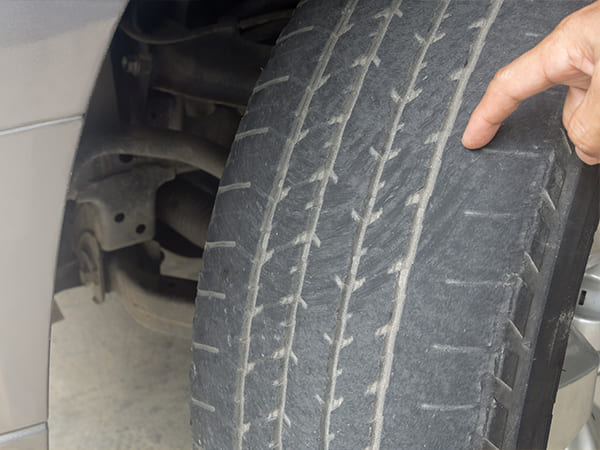
The Hidden Cost of Misalignment
In Denver, your tires are the only part of your car touching the road. Keeping them in good shape is crucial for safe steering, braking, and overall stability. Wheel misalignment is a common cause of premature, uneven tire wear, shortening lifespan and compromising handling. Given the variety of roads in Denver, maintaining proper alignment is crucial. This not only ensures a safe and predictable driving experience but also contributes to cost savings.
Understanding Wheel Alignment: More Than Just Straight Wheels
Wheel alignment adjusts your vehicle’s suspension angles—not the physical tires—relative to each other and the road. Slight deviations cause problems. Key angles include:
- Toe: Inward/outward tire pointing (top view). Incorrect toe causes constant scrubbing.
- Camber: Inward/outward tire tilt (front view). Excessive camber focuses wear on one edge.
- Caster: Affects steering stability; indirectly causes other alignment issues.
Proper alignment helps your tires hit the ground at the right angle. This stops uneven shredding and gives you better control. You will notice the difference in stability while driving through Denver’s shifting weather and messy road conditions.
The Mechanics of Uneven Tire Wear Caused by Misalignment
Misalignment accelerates tire wear by forcing your tires to drag or scrub across the road surface rather than rolling freely. Each type of misalignment creates a distinct wear pattern:
Alignment issues drastically shorten tire life.
- Toe Issues (most common): Rapid, uneven wear.
- Feathering: Points to excessive toe-in/out.
- Inner/Outer Edge Wear: Strong indicator of incorrect toe setting.
- Camber Issues:
- Edge Wear: Excessive positive camber (outward tilt) wears the outer edge; excessive negative camber (inward tilt) wears the inner edge.
This continuous dragging and uneven pressure can reduce a tire’s lifespan by tens of thousands of miles.
Common Causes of Misalignment in Denver Vehicles
Alignment issues in Denver are typically caused by several factors, exacerbated by the city’s unique driving conditions:
- Everyday Impacts: Denver’s harsh roads, especially during the winter months, mean that potholes, curbs, and minor accidents often knock your wheels out of alignment.
- Wear and Tear: Suspension parts like ball joints or tie rods wear out over time, allowing alignment to drift. This is particularly true for precision-engineered European and Asian vehicles, which are highly sensitive to even minor impacts.
- Vehicle Modifications: Lifting or lowering vehicles, or installing aftermarket suspension components, requires immediate realignment to maintain proper tire wear and handling.
- Environmental Impact: Denver’s altitude (5,280 feet above sea level) and temperature fluctuations can cause rapid tire pressure changes, exacerbating misalignment and tire wear.
Symptoms vs. Root Causes: What to Look For Beyond the Tires
Misalignment can manifest as various symptoms, but it’s important to identify the root causes:
- Pulling to One Side: If your vehicle drifts to one side, it’s likely that one or more wheels are misaligned.
- Crooked Steering Wheel: This indicates that the steering angle is off, likely due to misalignment in the front wheels.
- Squealing Tires: When the tires aren’t making proper contact with the road, they can make squealing noises, often caused by misalignment.
- Loose Steering: This can indicate misaligned components in the steering mechanism, which may affect responsiveness and control.
Ignoring these symptoms can lead to severe tire wear, decreased fuel efficiency, and compromised safety.
The Danger of Ignoring These Signs in Denver
In Denver, where weather conditions can quickly change, ignoring alignment problems is a double whammy: you’ll wear out your tires prematurely, costing you money, and over time, you could damage more expensive suspension parts. More critically, it becomes a safety risk. A misaligned car is harder to steer, especially in emergency situations or bad weather. In Denver’s snowy, icy conditions or on the winding mountain roads, poor handling and longer braking distances could lead to dangerous accidents.
Preventive Logic and Best Practices for Denver Drivers
Proactive care can prevent alignment issues and keep your vehicle running smoothly in Denver’s tough driving conditions:
- Regular Alignment Checks: Aim for an alignment check at least once a year, or immediately after suspension work or hitting a large pothole. Denver’s road conditions make frequent checks vital, especially in the winter when ice and potholes are more common.
- Tire Rotations: To prevent uneven wear and potential alignment problems, rotate your tires every 6,000 to 8,000 miles.
- Address Suspension Wear Early: Proactively replacing worn suspension parts before they affect your alignment can prevent more severe issues down the line.
Cost, Downtime, and Safety Implications of Ignoring Misalignment
The consequences of neglecting alignment issues in Denver are far-reaching:
- Cost: Misalignment leads to premature tire wear and suspension damage, which means higher costs for tire replacements and repairs.
- Downtime: Ignoring misalignment will worsen the issue, leading to more expensive repairs and longer downtime at the shop.
- Safety: Misalignment affects vehicle control, increases stopping distances, and reduces handling, particularly in emergency situations or bad weather. In Denver’s unpredictable weather, this can be a serious safety concern.
DIY Limits vs. Professional Expertise at Salta Automotive
Aligning a vehicle is not a DIY task. It requires specialized equipment, precision, and knowledge of your vehicle’s specifications. Misalignment affects multiple systems in your car, making it complex to address without professional help. At Salta Automotive, we have extensive experience with European and Asian vehicles, using state-of-the-art alignment equipment to ensure precise results. Our technicians are trained to diagnose and fix alignment problems, preventing unnecessary wear and ensuring your vehicle performs at its best.
Key Takeaways: Why Vehicle Alignment Matters
Recognizing symptoms like pulling to one side, crooked steering, or squealing tires can indicate alignment problems that go far beyond just tire damage. Proactive maintenance, such as regular alignment checks and tire rotations, can save you from costly repairs and improve your driving safety. Don’t ignore the signs—taking action now ensures your vehicle’s health and the safety of everyone on the road. Trust the experts at Salta Automotive to keep your vehicle in top condition.
Encourage Professional Evaluation
If you haven’t had your alignment checked recently or are seeing signs of misalignment, schedule a professional evaluation. Salta Automotive is dedicated to your vehicle’s health and longevity, ensuring you stay safe on Denver’s roads.
Frequently Asked Questions About Tire Wear & Alignment
How often should I get my car’s alignment checked in Denver?
Denver drivers should have their alignment checked annually or after major suspension work, hitting a large pothole, or replacing tires. Regular checks prevent premature tire wear.
Can bad alignment affect more than just my tires?
Yes, poor alignment causes premature wear on steering and suspension parts, reduces fuel efficiency, and compromises handling and safety.
What are the immediate dangers of driving with misaligned wheels?
Misaligned wheels cause poor steering, veering, and uneven braking, elevating accident risk, especially during emergency maneuvers or bad weather in Denver.
Will new tires fix an alignment problem?
New tires won’t fix poor alignment; they’ll quickly wear unevenly. Always check alignment when installing new tires to prevent wasting money.
Is uneven tire wear always a sign of bad alignment?
Uneven tire wear usually signals misalignment but may also stem from worn suspension parts, incorrect tire inflation, or poor rotation. A professional inspection is essential for accurate diagnosis.