
Proper wheel alignment prevents uneven tire wear, steering drift, and premature suspension damage. In Denver, potholes, winter freeze-thaw cycles, and mountain driving place added stress on steering components. This guide explains how alignment works, why it shifts, and practical ways drivers can protect it year-round.
Why Alignment Maintenance Matters in Denver
Alignment is a small adjustment with large consequences. Proper alignment keeps your car from pulling, saves your tires from balding, and makes the steering wheel feel solid in your hands. When alignment shifts—even slightly—your tires begin scrubbing against the pavement at the wrong angle. This cleaning method drags on, stays silent, and drains your budget.
In Denver, we see alignment issues increase after winter. Freeze-thaw cycles break up pavement. Snow hides curbs. Spring potholes form quickly. Many drivers don’t recall a major impact. But small, repeated hits add up over time.
Alignment problems rarely announce themselves loudly. They usually show up as early tire wear.
How Wheel Alignment Works (Without the Technical Jargon)
Wheel alignment refers to three main angles: camber, caster, and toe.
- Camber controls whether the tire tilts inward or outward.
- Caster stabilizes steering.
- Toe determines whether the tires point slightly inward or outward.
These measurements are set in fractions of a degree. A small deviation can change how your tires contact the road.
Every component in a new car fits perfectly. There is no slack. When something shifts—whether from impact or wear—those angles move out of specification. The shift happens slowly. You find yourself correcting the wheel more often as the tires begin to shred in a strange, feathered pattern. The vehicle may feel “mostly fine.” That doesn’t mean the tires agree.
What Commonly Throws Alignment Off in Denver?
Alignment doesn’t drift randomly. There is almost always a cause.
Hit a pothole and things break. Hit a pothole hard and you might twist a tie rod. Your tires will likely point the wrong way. Winter parking often leads to curb scrapes that ruin your wheels. You lose a lot of protection with these. The slim design leaves your wheels vulnerable to every pothole.
Suspension wear also plays a role. Control arm bushings, ball joints, and tie rods wear gradually. As they loosen, alignment angles shift. Mountain driving adds stress due to constant steering input and elevation changes.
Below is a simplified breakdown of common causes and what they typically affect:
| Cause | What It Affects | Long-Term Risk |
| Pothole impact | Toe alignment, tie rods | Uneven tire wear |
| Curb strike | Camber, control arms | Steering pull |
| Worn suspension parts | All alignment angles | Progressive tire damage |
| Heavy loads | Camber shift | Inside or outside tire wear |
| Seasonal road damage | Repeated minor shifts | Gradual misalignment |
Most alignment issues we diagnose stem from repeated minor stress, not a single dramatic event.
Early Signs Alignment Is Starting to Shift
Drivers often wait for strong symptoms. The early signs are more subtle.
You may notice the steering wheel sitting slightly off-center on a straight road. The vehicle may drift gently without strong pulling. Highway stability might feel less planted than before.
The most reliable indicator is tire wear. Run your hand lightly across the tread. If one edge feels sharper than the other, that can indicate toe misalignment.
One misconception is that if the car doesn’t pull hard, alignment must be fine. In reality, slight toe changes can wear tires evenly across both sides without dramatic steering changes.
Alignment problems are often silent until the tires are already affected.
Practical Ways to Maintain Proper Alignment
Keeping your wheels pointed straight helps your tires last longer and keeps you safe on Denver roads. Rough mountain drives and city potholes can easily knock your car out of balance. Here are simple, proactive steps you can take to keep your vehicle aligned and minimize costly repairs:
- Drive smart: Slow down on rough roads and hit potholes straight on when unavoidable to minimize side-load impact.
- Check tire pressure monthly: Proper inflation prevents exaggerated wear patterns and helps catch early alignment issues.
- Re-check alignment after replacing suspension parts: Always get an alignment after installing new components like tie rods or control arms to protect your tire investment.
- Get a spring check: Stop by for a spring alignment. Cold weather wreaks havoc on Denver asphalt, and a quick inspection corrects the minor drifts caused by those winter drives.
Preventive vs. Reactive Alignment Care
There are two common approaches drivers take. The reactive approach waits for pulling, vibration, or visible tire wear. By then, some damage had already occurred.
The preventive approach involves periodic alignment checks, especially after noticeable impacts or harsh seasons. Catching minor misalignment early often prevents premature tire replacement. Alignment correction is straightforward when caught early. Tire replacement is not.
What Happens If Alignment Is Ignored?
You can usually ignore alignment for a while without your machine snapping. Your budget bleeds out little by little. Drivers often see their tires fail 20,000 miles before the warranty actually ends. You might notice your gas mileage dips because these tires grip the road more. Control slips away as you accelerate. The car loses its steady grip.
Over time, additional suspension components may wear faster because they are compensating for improper angles. Many people ignore their car’s alignment until they notice bald spots on their tires that are impossible to fix.
DIY Awareness vs. Professional Measurement
Drivers can monitor steering feel and inspect tire tread visually. Those checks are useful.
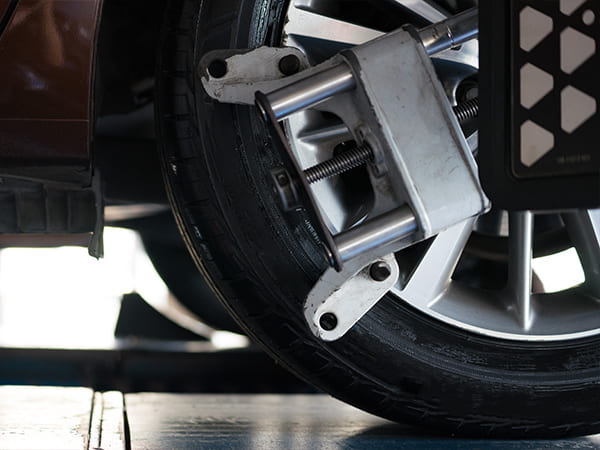
However, alignment angles are measured in tenths of a degree. The human eye cannot detect that level of precision. Proper alignment requires calibrated equipment that compares wheel angles to manufacturer specifications.
A vehicle may appear straight while still being slightly out of spec.Professional measurement removes guesswork.
Long-Term Vehicle Health Starts with Small Adjustments
Wheel alignment is a precision setting that protects your tires, steering system, and suspension. In Denver, road conditions make preventive attention more important than many drivers expect.
Avoid unnecessary impacts when possible. Monitor tire wear. Address suspension concerns early. Confirm alignment periodically to prevent slow, expensive damage. Small corrections now protect larger investments later.
When a Professional Alignment Check Makes Sense in Denver
If you drive daily on Denver roads—through winter conditions, construction zones, and mountain corridors—periodic alignment verification provides clarity.
At Salta Automotive, we measure alignment angles and inspect suspension components to determine whether correction is needed or if wear is contributing to the issue. For drivers in Denver seeking confirmation rather than assumption, a professional check offers straightforward answers without overcomplication.
Frequently Asked Questions About Wheel Alignment in Denver
How often should alignment be checked?
For most Denver drivers, once a year is reasonable. After winter or a significant pothole strike, earlier inspection may be beneficial.
Can mountain driving affect alignment?
Indirectly, yes. Increased steering input and braking on grades add stress to suspension components.
Do new tires correct alignment problems?
No. New tires will wear unevenly if alignment remains out of specification.
Is slight pulling always an alignment issue?
Not always. Tire pressure, tire wear patterns, or brake issues can also cause pulling. Diagnosis matters.
Can alignment shift without hitting anything?
Gradual suspension wear can cause minor alignment changes over time.
Does winter increase alignment problems in Denver?
Yes. Freeze-thaw cycles and hidden curbs contribute to repeated small impacts.