Denver’s climate swings between 95°F summer afternoons and freezing winter mornings — sometimes within the same week. For Audi and Volkswagen owners, these extremes put unique stress on the cooling system, the part of the car that keeps the engine at the right temperature.
German cars are engineered for precision. That means the cooling system is finely tuned — and requires equally precise maintenance. Neglecting it can lead to overheating, reduced fuel economy, and even catastrophic engine failure.
Whether you’re driving an Audi A4 through the Rockies or idling in I-25 traffic in your VW Tiguan, keeping the cooling system healthy is essential for performance, safety, and long-term reliability.
What Is a Cooling System in Audi & VW Cars?
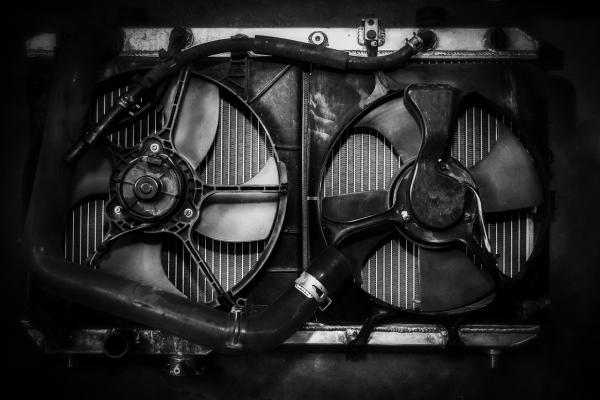
In Audi & VW cars, the cooling system prevents overheating by circulating a water–antifreeze mix through the engine and radiator.
These vehicles use advanced components to maintain precise control:
- Temperature sensors that feed real-time data to the ECU.
- Precision thermostats that regulate coolant flow.
- Electric water pumps for efficient, software-managed circulation.
- Specialized coolants (G12 EVO or G13) for corrosion protection.
If even one part fails, the engine may overheat or run too cold, hurting fuel efficiency, emissions, and engine life.
The Professional Cooling System Maintenance Process
Maintaining the cooling system in an Audi or VW isn’t just about topping off coolant — it’s a comprehensive inspection and service routine designed for Denver’s unique climate. Our factory-trained technicians follow a multi-step process that ensures your car runs reliably in both summer heat and winter cold:
- Coolant Level & Condition Check
We start with the basics: inspecting the reservoir for proper levels and checking coolant quality. Healthy coolant should be bright and clear. If it appears rusty, cloudy, or oily, that’s often a sign of corrosion, internal gasket leaks, or oil contamination. Catching these early prevents major failures.
- Pressure Testing & Leak Inspection
Using specialized pressure-testing equipment, we simulate system stress to identify leaks in hoses, clamps, or radiators. Even a pinhole leak can cause overheating, and a weak radiator cap can reduce pressure, lowering efficiency. This step ensures your system is properly sealed.
- Thermostat & Sensor Diagnostics
The thermostat and temperature sensors act as the brain of the cooling system. Using OEM diagnostic software, we verify they’re opening, closing, and sending accurate readings. If they malfunction, the ECU may receive false data, causing the engine to run too hot or too cool.
- Water Pump Inspection
The water pump is the heart of the system, moving coolant through the engine. Many modern Audis and VWs use electric water pumps, which are efficient but require special tools and sometimes software resets after replacement. Inspecting for leaks, bearing noise, or impeller damage helps prevent costly engine repairs.
- Coolant Flush & Replacement
Finally, we remove old coolant and debris through a complete system flush, then refill with fresh, OEM-approved fluid such as G12 EVO or G13. Old coolant loses its anti-corrosion and heat-transfer properties over time, which can lead to buildup and overheating. For most German vehicles, a flush is recommended every 50,000 miles or 5 years.
By following this detailed process, we ensure your Audi or Volkswagen cooling system operates exactly as intended — giving you peace of mind whether you’re stuck in Denver traffic or climbing into the Rockies.
Benefits of Timely Cooling System Care
- Avoid Overheating – Prevents major engine damage.
- Improve Fuel Efficiency – Keeps combustion temperatures optimal.
- Extend Component Life – Protects seals, gaskets, and hoses.
- Lower Repair Costs – Fixes small leaks before they escalate.
- Enhance Safety – Prevents sudden breakdowns on mountain roads.
Real-World Case: Audi Q5 Overheating on Mountain Trips
A Denver driver brought in a 2018 Audi Q5 that kept overheating during ski trips to Vail. Coolant levels looked fine, and no leaks were visible.
Diagnosis:
With OEM diagnostics, technicians found a thermostat stuck partially closed and coolant that had degraded, losing its heat-transfer efficiency.
Solution:
The thermostat was replaced, and a full coolant flush was performed using Audi-approved fluid.
Result:
The Q5 handled steep climbs without overheating. The owner reported smoother performance, better efficiency, and peace of mind on mountain drives.
Takeaway: Regular coolant service is especially critical in Denver’s altitude and climate extremes.
Why Denver Driving Conditions Demand Extra Care
Denver combines high elevation, fast weather swings, and mountain driving — all of which stress German cooling systems:
- Lower boiling points at altitude – Coolant vaporizes more easily.
- Temperature swings – Expansion and contraction strain seals and gaskets.
- Mountain driving – Long uphill climbs require continuous cooling.
- City traffic – Stop-and-go congestion limits airflow through the radiator.
Educational tip: Regular coolant flushes and pre-season checks are especially important for Denver drivers.
Preventive Cooling System Tips for Audi & VW Owners
- Check coolant twice a year (before winter and before summer).
- Watch for leaks under the car after parking.
- Listen for water pump noise (whining or grinding).
- Use only OEM-approved coolant (G12 EVO, G13).
- Schedule inspections before mountain trips to avoid overheating.
Key Stats Every Audi & VW Owner Should Know
- AAA Colorado: Overheating is a top cause of roadside calls in summer.
- Industry studies: ~40% of engine failures are cooling-system related.
- OEM data: Many VW & Audi electric pumps require software calibration after replacement.
FAQs: Cooling System Problems in Denver
Why does my Audi overheat in Denver traffic?
Stop-and-go traffic limits airflow through the radiator, causing heat buildup.
Do German cars need different coolant at high altitude?
No — but OEM coolants like G13 are designed to handle the demands of altitude and extreme temperatures.
How often should I service my cooling system before a mountain trip?
Ideally, get a full inspection and coolant check once a year, especially before ski season or summer road trips.
What happens if I use universal coolant in my VW?
It can cause corrosion, poor cooling, and even void your warranty.
Salta Service & Performance — Denver’s Audi & VW Cooling Experts
Cooling system issues in German cars can escalate quickly, especially in Denver’s climate and altitude. At Salta Service & Performance, we specialize exclusively in Audi and Volkswagen vehicles. With factory-approved diagnostics, OEM parts, and model-specific expertise, we keep your cooling system running at peak performance.
If your Audi or VW shows signs of overheating, coolant leaks, or fluctuating temperatures, schedule a diagnostic with Salta Service & Performance today.