
Most drivers assume a cold start misfire is no big deal—but at Denver’s altitude, it’s one of the first signs your engine is in trouble.
We see this every winter and, honestly, even in the shoulder seasons here in Colorado. A customer rolls in with a check engine light, maybe a slight stumble on a cold morning, and says, “It runs fine once it warms up.”
But here’s the thing—on a modern Audi or Volkswagen, especially with direct-injection engines, those cold start hiccups are often your first and only warning sign before bigger (and more expensive) engine problems show up.
Diagnosing engine issues in German cars—especially at altitude—takes experience, pattern recognition, and the right scan tools. After 15+ years turning wrenches on Audis and Volkswagens in Denver, we’ve learned to trust the small stuff. Because it’s rarely just the small stuff.
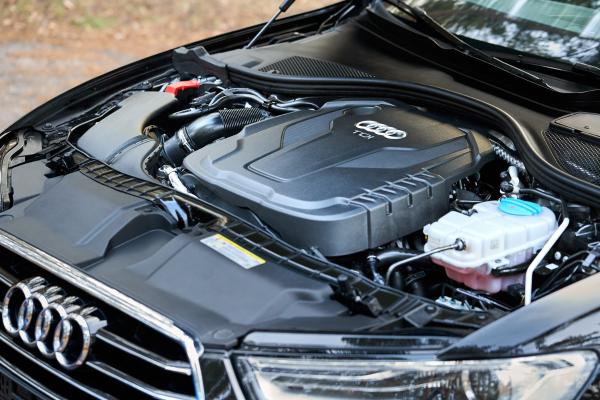
Key Causes of Engine Problems in German Cars at Altitude
1. Altitude-Driven Carbon Buildup
Denver’s thinner air affects the combustion process—and that means more unburned oil vapor circulating through the intake. Combine that with direct injection (which sprays fuel directly into the cylinder, skipping the valves entirely), and you’ve got a recipe for carbon buildup.
Drivers ignore a small stumble on cold starts, but that’s almost always carbon buildup starting to take hold.
This buildup usually starts around 40,000–60,000 miles and can cause misfires, loss of power, and fuel efficiency drops. Walnut shell blasting is the only real fix—and yes, it needs to be done more often here in Colorado than at sea level.
2. Cold Start Misfires on TSI/TFSI Engines
Volkswagen and Audi’s turbocharged engines (like the 2.0T TSI or 3.0T TFSI) have a very common pattern: they misfire only when cold. This often starts subtly—maybe just a soft stumble or a blinking check engine light for a minute in the morning.
The catch? These issues rarely store clear trouble codes. You need a tech who knows what to look for, and how to read real-time data, not just DTCs.
3. Crankcase Oil Vapor Problems
Carbon buildup isn’t just about combustion. Crankcase vapors, especially in aging engines, contribute heavily to gunked-up intake valves. When the PCV (positive crankcase ventilation) system gets overwhelmed, it starts feeding the buildup cycle.
It’s not just a symptom—it’s part of the root cause. If we’re diagnosing carbon, we’re also checking the PCV system for pressure leaks, valve function, and oil quality.
4. Misfires from Internal Damage
Not every misfire comes from carbon buildup or fuel issues—some are early signs of internal engine wear, especially in newer models. We’ve seen several 2021–2023 Audi Q5s and Volkswagen Atlases come into the shop with light misfire codes or rough cold starts. On the surface, it looks like the usual buildup. But in a few cases, the root cause was deeper: failing connecting rod bearings tied to an active manufacturer recall.
These types of failures won’t always show up as dramatic engine knocks or metal in the oil. At first, it’s subtle—slight hesitation, inconsistent idle, or a CEL that comes and goes. If your VIN is in the affected range and you’re experiencing cold start symptoms, it’s worth checking before the damage gets worse.
5. Fuel Quality and Octane at Elevation
Here in Denver, our fuel blends are different—less oxygen, lower octane, and more ethanol content. That matters. German engines are tuned for 91+ octane, and the knock sensors are very sensitive. Cheap gas (or even regular fuel at altitude) can throw off your air/fuel ratios and lead to false misfire codes.
When a customer tells us, “I just filled up before this started,” we always ask where. Bad gas can cause rough starts, pre-ignition, or trigger your CEL without any hardware being at fault.
6. Scan Tool Translation Issues
Not all scan tools are created equal. We use factory-level diagnostic software here at Salta, because generic OBD readers often mislabel Audi/VW codes—or miss subtle misfire patterns altogether.
It’s not enough to read the code. You have to understand why that cylinder misfired, how often, and whether it’s escalating. That takes time and the right data stream—not just a clear code.
Timeline of a Failing Engine in German Cars
- 0–6 months: Slight stumble on cold starts, intermittent CEL
- 6–12 months: Persistent misfires, reduced power, worsening fuel economy
- 12–18 months: Potential rod bearing damage (on recall-affected engines), risk of valve damage
- 18+ months: Full engine teardown, carbon blasting, or worst-case—engine failure
Case Study: The Cold Start Misfire That Nearly Totaled a Q5
We recently had a 2021 Audi Q5 in with a sporadic misfire on startup. It only happened when the car sat overnight. Our scan showed some minor misfire counts on cylinders 2 and 4, but nothing consistent.
Instead of just clearing the code and sending them on their way (like a quick-lube place might), we did a borescope inspection and saw early carbon buildup on the intake valves. We also checked VINs and flagged it under the rod bearing recall. The customer got the recall handled under warranty and let us do a full carbon cleaning at the same time.
Because we caught it early, they avoided a complete engine failure—and didn’t lose a week to a dealership waitlist.
Frequently Asked Questions
Why does my Audi misfire only when it’s cold?
Cold start misfires are common in turbo direct-injection engines because of carbon buildup and temperature-sensitive combustion. At altitude, these issues show up even earlier.
How often should I clean my intake valves in Colorado?
Plan on every 40,000–60,000 miles, especially on TSI/TFSI engines. Our air and fuel mix at altitude speeds up buildup.
Is it safe to drive with a check engine light from a misfire?
It depends. If it’s flashing, stop immediately—that means active misfire that can damage the catalytic converter. If it’s solid, get it checked ASAP. Don’t wait weeks.
Do I really need to use premium fuel in Denver?
Yes. Even more so here. Audi and VW engines are tuned for higher octane, and lower pressure at altitude makes knock more likely with cheap gas.
Can I diagnose a misfire with a code reader?
You might get the code, but real diagnosis requires live data, misfire counters, fuel trim logs, and sometimes even a borescope. DIY scanners can’t give you the full picture.
Quick Diagnostic Tips (At a Glance)
- Cold start misfire? Likely early carbon buildup—especially around 40–60k miles.
- CEL after a fill-up? Could be low-quality fuel or octane imbalance.
- Only misfires when cold? Check TSI/TFSI common patterns and real-time misfire counters.
- Light misfire on a newer Q5/Atlas? Might be a rod bearing issue tied to an active recall.
- DIY code reader confusing you? Factory tools read live misfire data your scanner can’t.
Need help figuring out that misfire?
If you’re noticing a rough cold start, flashing CEL, or just want to avoid that dreaded carbon cleaning surprise, bring your Audi or Volkswagen by. At Salta Service & Performance, we’ve been diagnosing these exact issues for over 15 years—right here in Denver.
Our altitude, fuel blends, and climate make German engine diagnostics a different beast. A fast check today could save you from a full teardown next season.