
Have you ever noticed oil spots under your Audi or Volkswagen and wondered where they’re coming from? Nearly 40% of oil leaks reported by German car owners in Denver trace back to deteriorated seals and gaskets—problems made worse by our high-altitude heat, steep elevation changes, and long freeway commutes.
For precision-engineered vehicles like Audi and VW, even a minor seep can snowball into major performance and safety issues. In this post, you’ll learn how to spot, diagnose, and fix oil leak issues in German cars, using strategies tailored to Denver’s unique environment—from daily I‑25 traffic to high-load mountain drives. Expect expert-backed insights, a real-world case study, and practical steps every local Audi or Volkswagen owner should know.
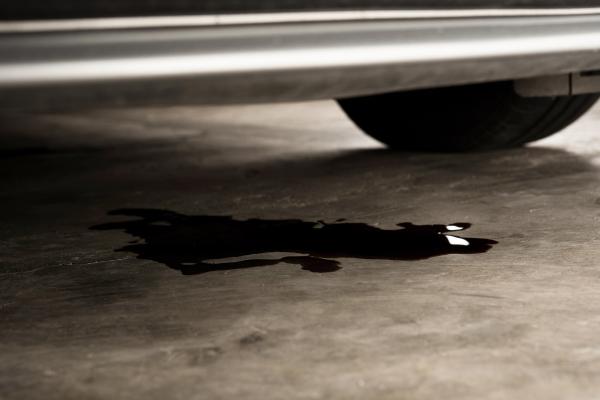
What Are Oil Leak Issues in German Cars?
Oil leaks occur when engine oil escapes due to worn or damaged components. In Audis and Volkswagens, common culprits include:
- Valve cover gasket degradation from repeated thermal expansion
- Oil pan gasket wear from Denver’s potholed roads
- Crankshaft seal failure due to high RPM stress
- Turbocharger oil lines wearing over time and heat
Addressing oil leaks early isn’t just about avoiding messy floors—it protects critical engine parts, prevents contamination, and maintains fuel economy and performance profiles that German car owners expect.
The Process: Identifying, Fixing, and Preventing Leaks
Visual Inspection & Leak Source Detection
- Begin by lifting the vehicle safely using ramps or a hydraulic lift. Perform a detailed inspection of the engine bay, oil pan, timing cover, and front/rear crank seals. Look for wet or grimy areas that indicate active leaks.
- For harder-to-spot leaks, apply a UV-fluorescent dye to the oil and run the engine briefly. Then use a blacklight to trace the exact path of oil migration—especially effective around the turbo and valve cover.
Assess Severity & Plan Repair
- If it’s a light seep or misting, you may be able to clean the area, re-torque surrounding bolts, and monitor the spot over time.
- For moderate to heavy leaks, immediate replacement of the failing component is recommended to prevent internal damage or dangerous oil loss while driving.
Replacement of Key Seals & Gaskets
- Valve Cover Gasket: Common failure point. Carefully remove the valve cover, clean mating surfaces, and install a high-quality OEM gasket. Always re-torque in the manufacturer’s specified pattern.
- Oil Pan Gasket: Drain engine oil fully, remove the oil pan, clean all surfaces, replace the gasket, and reinstall using correct torque specs and sealant if required.
- Front and Rear Crankshaft Seals: These require partial disassembly of the timing or transmission components and are best handled by certified technicians to avoid alignment issues or re-leaks.
Turbo Oil Line Replacement (if equipped)
- Turbocharged engines—common in Audi and VW—have oil lines that can become brittle or leak from excessive heat. Inspect all banjo fittings, seals, and hoses for cracks, and replace if any seepage is present. Always use heat-rated OEM or equivalent parts.
Oil Change & System Flush
- After repairs, perform a complete oil change using fluids that match OEM viscosity and grade, suited for Denver’s altitude and seasonal swings.
- If the leak introduced contaminants or sludge, a system flush may be needed to prevent oil starvation or clogging in narrow oil passages.
Regular Check & Preventive Maintenance
- Make oil leak inspections part of every 5,000-mile oil service. This includes checking valve cover perimeters, undercarriage, and oil levels.
- Replace rubber gaskets and seals every 60,000 miles or 4–5 years, depending on driving habits and exposure to heat.
- Consider adding OEM-approved seal conditioners or anti-leak additives only if specified for your engine model—never use generic stop-leak products in high-performance German engines.
Key Advantages of Timely Oil Leak Repairs
- Engine Longevity: Prevents low oil pressure or component damage.
- Maintains Performance: Reliable torque and boost from turbo, avoiding degradation.
- Enhanced Safety: No slipping hazards from spilled oil on driveways or high-angle ramps.
- Better Resale Value: Clean engine and undercarriage signal attentive maintenance.
- Fuel Efficiency: Consistent oil viscosity helps maintain optimal mileage
Real-World Case Study: Denver Audi A4 B8 Driver
Vehicle Details: 2013 Audi A4 Quattro, ~85K miles, daily commute from Highlands to Parker.
Problem:
Greasy buildup under the valve cover—oil pressure light flickering after highway drives.
Diagnosis & Repair:
- Visual check and UV dye traced the leak to the valve cover gasket.
- Removed valve cover, replaced gasket with OEM part, re-torqued per service manual.
- Replaced front crank seal as precaution.
Outcome:
- Leak fixed immediately; no more “low oil” alerts.
- Engine runs quieter, smoother.
- Owner reported fuel economy improved by 1.5 mpg due to restored engine efficiency and oil cleanliness.
Data-Driven Insights on German Car Oil Leaks
- A J.D. Power study highlights that 50% of Audi or Volkswagen owners face minor oil leaks by 80,000 miles—mostly from older seals due to thermal cycling and road hazards.
- An internal German automotive parts analysis shows that using OEM-grade gaskets and seals extends leak-free periods by 25–40% compared to aftermarket parts—especially important in high-stress conditions like Denver’s mixed elevation driving.
A Cleaner, Safer, Smoother Drive
Oil leak issues in German cars are more than a nuisance—they can pose serious risks to engine performance, reliability, and safety, especially in Denver’s demanding driving environment. By following the outlined process—inspection, replacement, maintenance—you can preserve the engineering precision your Audi or Volkswagen was built for.
For Audi and Volkswagen owners around Denver seeking expert care, trust the ASE-certified specialists at Salta Service & Performance. We use only OEM-quality parts and best practices tailored to your car’s needs.
Schedule your inspection or repair at Salta Service & Performance today. Keep your German-engineered drive clean, reliable, and leak-free on local roads like Speer Boulevard, Cherry Creek, or the path to Red Rocks.
FAQs
1. How can I tell if my German car has an oil leak?
Check for oil spots under the car, burning oil smells, visible stains on engine parts, or a flickering oil pressure light.
2. What causes seals and gaskets to fail in Audis and Volkswagens?
High engine heat, freeze-thaw cycles, degraded rubber over time, and stress from freeway or mountain driving all contribute to seal wear.
3. Can I drive with a minor oil leak?
Short-term travel is often safe, but even light leaks can lead to bigger problems—best to address the issue before long trips or performance use.
4. Do I need OEM parts to fix leaks?
Yes—studies show OEM-grade gaskets and seals offer significantly longer durability and compatibility with German engine tolerances.
5. How often should seals and gaskets be checked or replaced?
Complimentary inspections at every 5,000-mile oil change are best; consider proactive replacement every 60K miles or 4–5 years to stay ahead of potential leaks.