
Wheel alignment isn’t the sexiest topic in car care — but it absolutely matters for your vehicle’s performance, safety, and longevity. Unfortunately, there’s no shortage of myths that confuse drivers and lead to costly mistakes. In Denver, CO — where potholes, rough roads, and seasonal temperature swings are common — understanding the truth about wheel alignment helps you stay safe and save money.
Let’s bust the biggest myths, explain how alignment really works, and give you clear guidance you can trust.
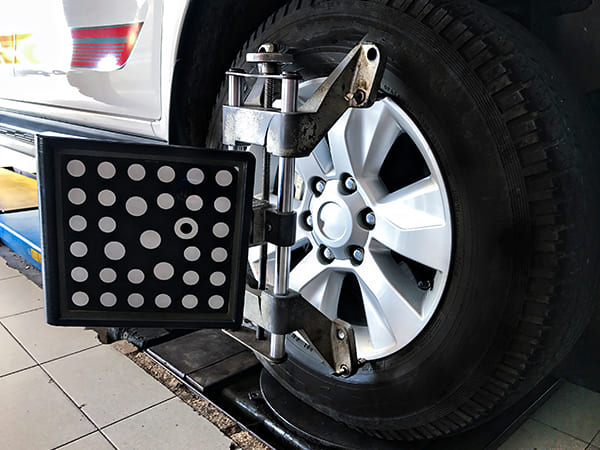
What Is Wheel Alignment & Why It Matters
Wheel alignment refers to adjusting the angles of your vehicle’s wheels so they sit and move according to the manufacturer’s specs. These adjustments ensure the wheels make even contact with the road, helping your vehicle drive straight and smoothly. Misalignment can lead to problems like uneven tire wear, poor handling, and even reduced fuel economy.
Proper alignment affects several components — from tire tread to steering stability — and is an essential part of your car’s suspension maintenance.
The Alignment Process — What Really Happens
Technicians use calibrated machines to measure and adjust three key angles:
- Camber: Tilt of the wheel in or out
- Toe: Whether wheels point inward or outward
- Caster: Steering pivot tilt that affects stability
Unlike what some myths suggest, this isn’t a DIY job — it requires precise equipment and professional training to get right.
Why Proper Alignment Matters (Real Benefits)
Here’s why getting your alignment checked and corrected matters — not just for safety but also for your wallet:
1. Longer Tire Life
Misalignment causes uneven tire wear — and tires are expensive. Proper alignment helps tires wear evenly, meaning they last longer.
2. Better Handling & Safety
Correct alignment improves control and steering responsiveness — especially important on Denver’s highways and mountain loop roads.
3. Enhanced Fuel Efficiency
When wheels pull or resist rolling straight, your engine has to work harder — which means lower miles per gallon.
4. Reduced Wear on Suspension
Alignment helps protect shocks, struts, and other suspension parts from stress that comes with misaligned wheels.
7 Common Wheel Alignment Myths — Debunked
Myth 1: “You Only Need an Alignment If Your Car Pulls to One Side.”
Truth: Pulling is a sign, but not the only one. Misalignment can cause subtle symptoms long before you notice pulling — like uneven tire tread or decreased fuel economy.
Myth 2: “Alignment Is Just a Sales Gimmick.”
Truth: Alignment is backed by measurable mechanical science. Misalignment reduces tire life and efficiency. Ignoring alignment can cost more in fuel and tire replacements than the alignment itself.
Myth 3: “DIY Alignment Works Fine With the Right Tools.”
Truth: Precision alignment requires calibrated machines and trained technicians. DIY attempts often miss critical measurements and can make the problem worse.
Myth 4: “Alignment Only Matters After an Accident.”
Truth: Everyday driving — potholes, curbs, speed bumps — can knock your alignment out of spec just as easily as a collision. Denver’s roads are no exception.
Myth 5: “New Tires Don’t Need Alignment.”
Truth: If you’re already putting on new tires, alignment ensures they wear evenly and get the longest life possible.
Myth 6: “Misalignment Will Always Show a Big Symptom.”
Truth: Sometimes the symptoms are subtle — slight creeping down the road, weird tire tread marks, or reduced gas mileage. Don’t wait for big signs.
Myth 7: “Alignment Doesn’t Affect Fuel Mileage.”
Truth: Misaligned wheels increase rolling resistance, meaning your engine burns more fuel — up to 10% or more — over time.
Trend Insights & Supporting Data
Drivers often underestimate alignment issues until the effects show up on expensive components like tires or suspension parts. According to automotive service data, even slight misalignment angles can quietly wear down tire tread and increase fuel usage over thousands of miles of driving.
In areas with mixed road surfaces — such as Denver’s urban streets and higher‑elevation routes — alignment checks become even more crucial. Regular inspection helps catch problems before they grow into larger, more costly issues.
Summary: The Facts About Alignment
| Myth | Truth |
| Only needed when the car pulls | Alignment issues can be subtle |
| Gimmick service | Essential for safety and savings |
| DIY works fine | Professional tools and training matter |
| Only post‑accident | Everyday driving knocks alignment off |
| New tires = no alignment | New tires need alignment for even wear |
| Symptoms are always obvious | Some signs are subtle |
| Doesn’t affect fuel economy | Misalignment does reduce MPG |
Regular alignment checks — ideally every year or whenever you replace tires — help keep your vehicle running safe and efficiently.
Final Alignment: What Denver Drivers Should Take Away
Wheel alignment might not be the flashiest part of car care, but it’s absolutely essential for your vehicle’s performance, safety, and costs in the long run. Myths may make alignment seem optional or confusing — but the facts tell a different story. Knowing the truth helps you make better decisions, avoid premature wear, and keep driving confidently on Denver roads.
Bring your car to Salta Automotive for an alignment check. Our mechanics set your wheels straight so your steering stays steady and your tires last longer on the road.
Schedule your wheel alignment service today — and drive with peace of mind!
FAQs About Wheel Alignment
How often should I get a wheel alignment?
Most shops recommend at least once a year or any time you notice signs like uneven tire wear or your steering wheel off‑center.
Can hitting a pothole cause misalignment?
Yes — potholes, curbs, and road debris can all shift alignment angles unexpectedly.
Does alignment affect tire wear?
Absolutely — misalignment can cause uneven wear, which shortens tire life and increases costs.
Is alignment covered during a tire replacement?
It’s often recommended to align your wheels when installing new tires to ensure even wear from the start.
What’s the difference between alignment and balancing?
Alignment adjusts wheel angles for proper road contact. Balancing eliminates vibration by equalizing weight around the tire. They’re related but different services.