
When your wheels point the right way, your car handles much better. This simple adjustment stops uneven tire wear and makes your daily drive feel a lot more stable. Potholes and heavy snow make Denver streets a nightmare for your suspension. This rugged terrain forces your wheels out of place, making alignment service a regular necessity for people living here. Misalignment ruins tires and makes driving dangerous. If you know the causes, you can fix the problem early to keep your vehicle steady on the highway.
What Is Wheel Misalignment?
Wheel misalignment means the angles at which your vehicle’s wheels sit aren’t in the ideal positions defined by the manufacturer. These angles — such as camber, toe, and caster — determine how tires make contact with the road and how balanced the car feels in motion. When alignment is off, even by a small degree, it can impact handling, tire wear, and fuel efficiency.
- Wheel misalignment means the angles at which your vehicle’s wheels sit aren’t in the ideal positions defined by the manufacturer, which can lead to various performance issues.
- These angles — such as camber, toe, and caster — determine how tires make contact with the road and how balanced the car feels in motion, ensuring optimal handling.
- When alignment is off, even by a small degree, it can impact handling, cause uneven tire wear, and decrease fuel efficiency, making regular checks essential.
How Wheel Alignment Works (Process Overview)
Proper alignment ensures that:
- Tires contact the pavement evenly for grip and longevity
- Steering and handling are predictable and safe
- Suspension components work in harmony to absorb bumps and stress
A professional alignment adjusts angles using precision equipment to bring the wheels back into factory specifications. When off‑spec, even normal driving forces can amplify wear and safety risks.
Why Correct Alignment Matters
Wheel alignment affects:
Safety
Misalignment can make your car drift or pull to one side, increasing the effort needed to keep it straight and reducing steering precision.
Tire Longevity
Uneven tire wear is one of the earliest signs of misalignment and can force premature tire replacement.
Fuel Efficiency
Improper alignment increases rolling resistance, meaning your engine works harder and uses more fuel.
Suspension Stress
When wheels aren’t aligned, suspension and steering components endure extra strain, accelerating wear and potential failure.
Common Causes of Wheel Misalignment in Denver, CO
Here are the primary reasons your wheels may fall out of alignment — especially relevant for Denver’s road conditions and climate:
1. Potholes and Rough Roads
Denver’s freeze‑thaw cycles and ongoing pavement stress frequently produce potholes and uneven surfaces. Hitting these at speed or at awkward angles can easily knock wheel alignment out of spec by altering suspension geometry and wheel angles.
2. Impact Incidents (Curbs and Obstacles)
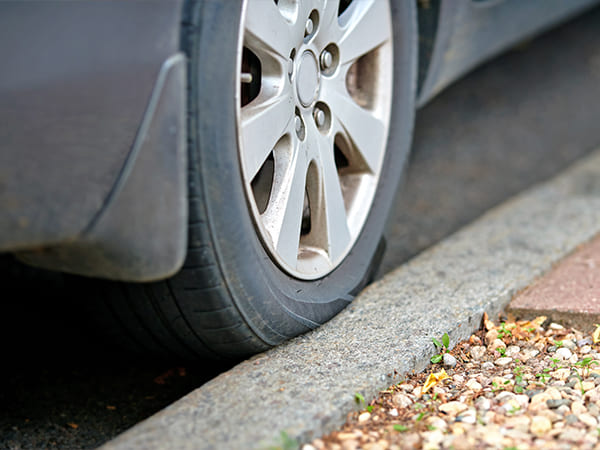
Running into curbs or road debris, even at slow speeds, can bend suspension components or change alignment angles. These impacts may not be dramatic accidents — they can happen during everyday parking or tight turns.
3. Suspension and Steering Wear
Over time, components like bushings, tie rods, ball joints, and bearings wear down. As these parts loosen, they allow wheel angles to drift from their ideal positions, causing misalignment even without a single dramatic impact.
4. Uneven Tire Wear or Incorrect Tire Pressure
While not a direct cause of alignment change, inconsistent tire wear and incorrect tire pressure can exacerbate the effects of existing misalignment and contribute to uneven handling and stability issues.
5. Vehicle Load and Modifications
Consistently carrying heavy loads or modifying suspension height can alter the way the wheels sit relative to the road. Without compensating adjustments, these changes can push alignment out of spec.
6. Normal Wear and Tear
Even careful drivers experience alignment drift over time. Road vibrations, minor bumps, and regular suspension use gradually shift wheel positions — another reason why periodic alignment checks are vital.
Real‑World Impact and Data Trends
- Research shows that road surface condition strongly affects alignment and vehicle stability, with rough pavement correlating to increased fuel consumption and suspension stress.
- Misaligned wheels can also reduce tire life by up to 20% or more due to uneven wear, which adds cost and reduces safety.
Your car takes a beating on these mountain roads. Routine checks fix minor shifts in your steering so you can drive safely all year long.
When to Get Your Alignment Checked
You should consider alignment checks when you notice:
- Vehicle pulling to one side on a straight road
- Uneven tire wear
- Steering wheel off‑center at straight speed
- Vibrations at higher speeds
- Recently hitting a pothole or curb
Your car needs a regular checkup to stay straight. Getting an alignment after winter or during a tire swap stops hidden problems from growing into expensive headaches.
Why Wheel Alignment Matters: Key Takeaways
Wheel misalignment doesn’t just affect ride comfort — it impacts safety, tire life, fuel economy, and suspension health. In Denver, CO’s unique driving environment, potholes, road impacts, worn suspension parts, and normal road wear are common causes. Early detection and professional alignment corrections keep your vehicle safe, efficient, and comfortable.
Bad alignment ruins tires and burns extra fuel. Fix your car’s stance to get better handling. This simple check protects your wallet and keeps your Denver commute safe. Constant vibrations and trail driving take a toll on your front end. Keeping your wheels straight improves how the car feels on the road and adds life to your tires.
Don’t ignore a crooked steering wheel. Bring your vehicle to Salta Automotive for a quick checkup. We fix alignment issues fast to help you stay safe and comfortable behind the wheel.
FAQs About Wheel Misalignment
How often should I check my alignment in Denver?
At least annually — and after hitting large potholes or curbs — especially given Denver’s seasonal road conditions.
Can I drive with misaligned wheels?
You can, but it’s not recommended — it accelerates tire wear, reduces handling precision, and stresses suspension components.
Does Denver weather affect alignment?
Yes — freeze‑thaw cycles contribute to potholes and uneven pavement, which are major alignment disruptors.
How long does an alignment last?
Proper alignment can last thousands of miles, but it depends on road conditions and driving habits. Regular checks help ensure it stays in spec.
Are alignment repairs expensive?
Alignment services are generally affordable and far less costly than replacing tires or suspension parts worn by neglect.