You might be surprised: German-engineered vehicles like Audis and Volkswagens are among the most commonly serviced cars in Denver. That’s not because they’re unreliable—it’s because our altitude, winter salts, and temperature swings demand extra attention. In this article, you’ll learn:
- What top issues high-mileage German cars face in Denver
- The proactive steps to prevent costly repairs
- Benefits of addressing problems early
- A real-world case study of a local repair success
- Supporting data to underscore the urgency
- Answers to your common Denver-specific Audi/VW questions
Whether you’re dealing with engine quirks, electrical faults, or suspension woes, this guide arms you with expert knowledge to keep your German ride running at peak performance.
Understanding the Problem Landscape
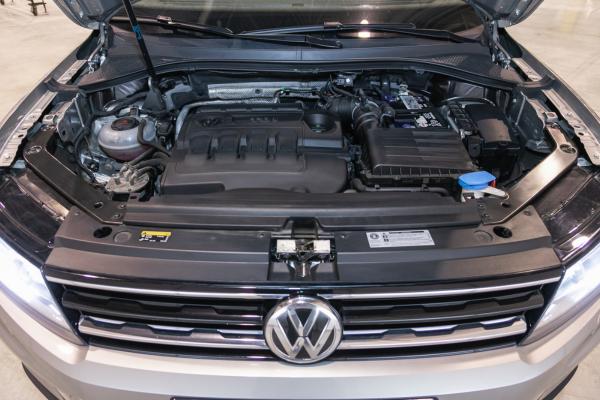
“Common German car problems” refers to recurring mechanical and electronic issues often seen in Audi and VW models—especially when driven in regions with unique environmental stressors like Denver. Our city’s high-altitude air, dramatic temperature shifts, abrasive road salt, and frequent mountain drives all place added strain on turbochargers, cooling systems, suspension parts, and sensors.
Identifying these challenges early through regular inspections and diagnostics not only protects your car’s value—it also helps you avoid surprise breakdowns, reduce repair costs, and maintain optimal driving performance year-round.
Proactive Pune: The Troubleshooting Journey
- Turbo System Vulnerabilities
Elevation reduces air density, forcing turbos to work harder. Look out for sluggish acceleration or strange hissing sounds (boost leaks).
- Cooling System Breakdown
Thin air and stop-go traffic heat up engines faster. Regular coolant flushes and inspecting hoses, pumps, and thermostats can prevent overheating.
- Electronic Gremlins & Sensor Failures
Complex German wiring and modules can fail prematurely in harsh weather. Frequent OBD-II scans catch ABS, airbag, or infotainment faults early.
- Suspension & Steering Wear
From potholes to mountain passes, shocks, struts, bushings, and alignments routinely wear down—especially on models like the VW Tiguan and Audi Q5.
- Brake System Degradation
Cold temperatures and calcium chloride on roads can corrode brake lines, cause pad glazing, and hamper performance—brakes need aggressive monitoring.
The Payoff: Why You Should Care
- More-road reliability — Reduce your chances of engine overheating or turbo failure, especially during high-speed drives on I‑70 or mountain inclines
- Budget control — Addressing minor issues like coolant leaks or sensor errors early can prevent repair bills from ballooning into thousands
- Longevity — With regular upkeep, your Audi or VW can keep its smooth shifting, sharp cornering, and refined ride quality well past 150k miles
- Resale appeal — A well-maintained vehicle with service records and timely repairs commands a higher resale price and faster buyer confidence
Let me know if you’d like this turned into a comparison table or infographic.
From the Slopes to the Shop: A Denver Driver’s Success Story
Meet Jason, a Denver resident who drives a 2014 Audi Q5 with over 120,000 miles on the odometer. Like many locals, Jason’s car frequently makes weekend trips to ski resorts along I‑70—putting extra strain on the turbo, suspension, and cooling systems due to steep climbs, road salt, and subzero temps.
During a routine inspection, technicians identified several red flags:
- Worn turbo hoses causing reduced boost performance
- Failing thermostat leading to temperature fluctuations
- Damaged front struts from winter road impact and salt corrosion
Rather than waiting for a major failure, Jason invested $1,500 in proactive repairs:
- Turbo hose replacement
- Cooling system rebuild
- Front strut swap
The outcome:
- Smoother mountain drives
- Stable engine temperatures
- Zero unexpected repair bills six months later
Jason’s story highlights the value of early detection and preventative service—especially in Denver’s tough winter driving environment.
What the Research Reveals: German Car Costs & Care in Denver
- According to Autoguard Insights, 68% of extended warranty claims are filed for German luxury vehicles—compared to just 24% for mainstream brands. This suggests Audi and VW owners are statistically more likely to encounter complex repairs requiring expert attention.
- The same report highlights that Denver repair costs for Audis and Volkswagens can be up to 40% higher than those for domestic vehicles. This premium is driven by the need for specialized labor, OEM diagnostics, and brand-specific parts that ensure system compatibility and safety in high-altitude environments.
- Another crucial insight from Autoguard: using OEM-approved fluids leads to a 92% warranty claim approval rate, whereas aftermarket fluids result in only 75% approval. For Denver drivers, this reinforces the importance of high-quality service standards—especially when aiming for long-term vehicle reliability and protection.
Keep Your German Car at Its Best—Mile After Mile
German vehicles like Audi and Volkswagen are built for performance—but in Denver’s environment, they’re tested by altitude, harsh winters, and rugged roads. Staying ahead of common issues like turbo strain, cooling system stress, electronic glitches, suspension fatigue, and brake wear is key to preserving safety, comfort, and long-term value.
That’s where Salta Service & Performance comes in. We specialize exclusively in Audi and VW models, offering in-depth diagnostics, OEM-grade service, and preventative care plans tailored to Colorado’s unique driving conditions. Our certified technicians don’t just fix what’s broken—they help you understand your car’s needs and stay ahead of costly breakdowns.
Book a complimentary diagnostic today and get local, pressure-free guidance for a smoother, more dependable drive. When you understand the common German car problems in Denver—and partner with the right team—you’re set to enjoy precision performance at every turn.
FAQs — Your Denver German Car Questions Answered
- How often should I scan my Audi/VW for faults in Denver?
- At least every 6 months or after major drives—OBD-II scans catch sensor issues before dashboard warnings appear.
- Why do turbos fail faster here?
- Lower air density makes them work harder, especially during mountain or highway driving—that puts stress on hoses and intercoolers.
- What brake warning signs should prompt an inspection?
- Any vibration, spongy pedal, squealing, or corrosion near calipers or lines after winter warrants immediate evaluation.
- Is using synthetic fluid mandatory for warranty claims?
- For most German models, OEM-recommended synthetic fluids are essential. Aftermarket fluids risk claim denials and premature component wear.
- Can older Audis/VWs still thrive in Denver?
- Yes—especially with regular preemptive maintenance on sensitive systems like cooling, intake, turbo, suspension, and electronics.