
In Denver, with its steep hills, changing weather, and occasional snowfall, your brake system is put to the test year-round. As one of the most important safety features of your vehicle, keeping your brake system in top condition is non-negotiable. Yet, many drivers often overlook maintenance until they notice a problem, which can lead to costly repairs and dangerous driving conditions.
In this guide, we’ll cover the key aspects of brake system maintenance, offering practical tips to help you stay on top of your vehicle’s needs. From understanding how the brake system works to knowing when it’s time to take action, this article will equip you with everything you need to know to ensure your car’s brakes remain reliable, safe, and long-lasting.
What Is Brake System Maintenance?
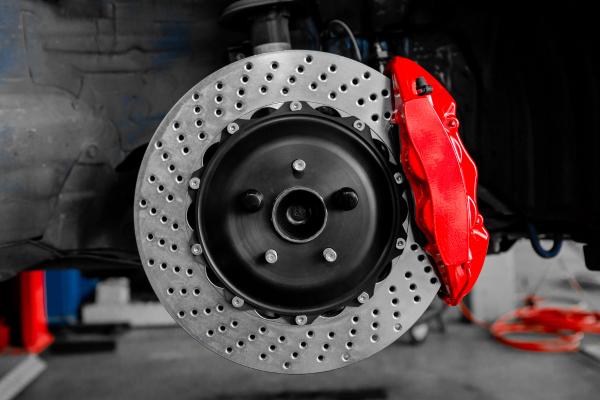
Brake system maintenance involves taking care of the components that allow your vehicle to stop safely and efficiently. This includes the brake pads, rotors, calipers, brake lines, and the fluid. The goal of maintenance is to ensure that all these components are functioning properly, which not only improves your car’s stopping power but also extends the life of your braking system.
In regions like Denver, where the terrain is more varied and conditions change rapidly, brake maintenance is even more crucial. For example, frequent uphill driving or winter weather with snow and ice can cause extra strain on your brakes, increasing wear and tear. Regular maintenance can prevent early failure of critical components and save you from expensive repairs down the road.
The Brake System Maintenance Process
Proper brake system maintenance typically follows a systematic process to ensure each component is checked and maintained regularly. Here’s a step-by-step breakdown of the process:
- Brake Fluid Check and Replacement:
- Brake fluid is the lifeblood of your brake system, transferring pressure from the brake pedal to the brakes themselves. Over time, brake fluid can absorb moisture, which can cause corrosion in the system and decrease braking efficiency. It’s essential to check the fluid levels regularly and replace the fluid at recommended intervals.
- Brake fluid is the lifeblood of your brake system, transferring pressure from the brake pedal to the brakes themselves. Over time, brake fluid can absorb moisture, which can cause corrosion in the system and decrease braking efficiency. It’s essential to check the fluid levels regularly and replace the fluid at recommended intervals.
- Brake Pad Inspection and Replacement:
- Over time, brake pads gradually deteriorate, particularly in demanding driving conditions such as those found in Denver. Inspecting your brake pads at regular intervals is crucial. If the pads are thinner than the recommended thickness (usually 1/4 inch or less), they need to be replaced to maintain effective braking.
- Over time, brake pads gradually deteriorate, particularly in demanding driving conditions such as those found in Denver. Inspecting your brake pads at regular intervals is crucial. If the pads are thinner than the recommended thickness (usually 1/4 inch or less), they need to be replaced to maintain effective braking.
- Rotor Inspection and Resurfacing/Replacement:
- The rotors are the large metal discs that the brake pads clamp onto to create the friction that slows your car down. Over time, rotors can become warped or develop grooves, which can reduce their effectiveness. In some cases, rotors can be resurfaced; however, if they’re too thin or damaged, they may need to be replaced.
- The rotors are the large metal discs that the brake pads clamp onto to create the friction that slows your car down. Over time, rotors can become warped or develop grooves, which can reduce their effectiveness. In some cases, rotors can be resurfaced; however, if they’re too thin or damaged, they may need to be replaced.
- Brake Line Inspection:
- The brake lines carry brake fluid to each of your vehicle’s brakes. Over time, these lines can crack or become damaged, leading to leaks and compromised braking performance. Regularly inspecting the brake lines for any visible damage or leaks is important to ensure your brakes are functioning properly.
- The brake lines carry brake fluid to each of your vehicle’s brakes. Over time, these lines can crack or become damaged, leading to leaks and compromised braking performance. Regularly inspecting the brake lines for any visible damage or leaks is important to ensure your brakes are functioning properly.
- Brake Caliper Inspection:
- The brake calipers clamp the brake pads onto the rotors. If a caliper is stuck or worn, it can cause uneven braking or make one side of the car stop faster than the other. A proper inspection of the calipers can identify any issues before they lead to more significant damage.
The Benefits of Brake System Maintenance
- Improved Safety:
- The most important benefit of brake system maintenance is enhanced safety. Regularly maintained brakes ensure that your vehicle can stop quickly and safely in all conditions, whether you’re driving on Denver’s icy roads or navigating a steep hill. Poorly maintained brakes can lead to longer stopping distances, increased risk of accidents, or brake failure in extreme situations.
- The most important benefit of brake system maintenance is enhanced safety. Regularly maintained brakes ensure that your vehicle can stop quickly and safely in all conditions, whether you’re driving on Denver’s icy roads or navigating a steep hill. Poorly maintained brakes can lead to longer stopping distances, increased risk of accidents, or brake failure in extreme situations.
- Cost Savings:
- Maintaining your brake system can save you money in the long run. Regularly replacing worn brake pads and fluid can help prevent damage to more expensive components like rotors and calipers, which would be costly to replace if left unaddressed. Routine maintenance can prevent small issues from escalating into major repairs.
- Maintaining your brake system can save you money in the long run. Regularly replacing worn brake pads and fluid can help prevent damage to more expensive components like rotors and calipers, which would be costly to replace if left unaddressed. Routine maintenance can prevent small issues from escalating into major repairs.
- Extended Vehicle Lifespan:
- When your brake system is properly maintained, it doesn’t just ensure your safety — it helps extend the lifespan of the vehicle itself. Brakes are a critical part of your car’s overall performance, and ensuring they’re in good condition helps maintain the integrity of your vehicle’s systems over time.
- When your brake system is properly maintained, it doesn’t just ensure your safety — it helps extend the lifespan of the vehicle itself. Brakes are a critical part of your car’s overall performance, and ensuring they’re in good condition helps maintain the integrity of your vehicle’s systems over time.
- Better Driving Performance:
- Regular brake maintenance ensures your vehicle’s braking power remains strong and responsive. This translates into a smoother and more controlled driving experience, especially when driving in Denver’s varying terrain and weather.
- Regular brake maintenance ensures your vehicle’s braking power remains strong and responsive. This translates into a smoother and more controlled driving experience, especially when driving in Denver’s varying terrain and weather.
- Peace of Mind:
- Knowing that your brake system is in good condition gives you peace of mind when you’re on the road. Especially in cities like Denver, where winter conditions and high altitudes can be tough on your vehicle, routine brake checks provide reassurance that your car can handle whatever the road throws at it.
Real-World Case Study: A Brake System Repair at Salta Service & Performance
Let’s look at a recent case from a local service center to demonstrate the importance of brake maintenance. A local driver came to us with complaints about the vehicle vibrating when braking. After a thorough inspection, we found that the brake pads were worn down to less than 1/8 inch, and the rotors had developed grooves from the excessive wear.
Instead of simply replacing the pads, we recommended resurfacing the rotors to save costs, but upon further inspection, we found that the rotors were too thin for resurfacing. We replaced both the rotors and the pads, checked the fluid, and ensured the calipers and brake lines were in good condition. After the repair, the vehicle brakes ran smoothly again without any vibration, and the customer saved money by addressing the issue before it became a more serious problem.
This case highlights how a small, regular brake inspection can prevent more severe issues that affect both safety and cost.
Supporting Data: Why Brake System Maintenance is Crucial
- According to a 2021 survey by the National Highway Traffic Safety Administration (NHTSA), brake system failure was a leading cause of car accidents in the U.S. Regular maintenance helps prevent brake-related accidents.
- In Colorado’s mountainous regions, brake systems can wear out 20% faster due to the constant shifting between high and low altitudes, and the strain of downhill driving. Denver drivers must be extra vigilant about their brake maintenance.
Ensure Safety and Performance with Expert Brake System Maintenance
When it comes to brake system maintenance, the key to ensuring your safety and avoiding costly repairs is staying proactive. Regular brake inspections and maintenance can save you money, improve your vehicle’s performance, and keep you safe on the roads of Denver.
Is your vehicle’s brake system ready for the road? Schedule your brake system inspection with Salta Service & Performance today. Our experienced technicians are here to ensure your vehicle’s brakes are in top condition, so you can drive safely in and around Denver, CO.
Frequently Asked Questions (FAQs)
1. How often should I have my brake system checked in Denver, CO?
It’s advisable to get your brakes checked annually to ensure they’re functioning properly and to catch any early signs of wear. If you notice any unusual sounds, vibrations, or changes in braking performance, it’s important to have your brakes checked immediately.
2. What are the signs that my brake pads need replacing?
Signs include squeaking or grinding noises, reduced stopping power, or a longer stopping distance. If you feel vibrations or hear noises when braking, it’s time for an inspection.
3. Can brake fluid be flushed?
Yes, brake fluid should be flushed and replaced every 2 years or as recommended by your vehicle’s manufacturer. Old fluid can absorb moisture and cause corrosion or reduce brake efficiency.
4. How can I tell if my brake rotors need replacing?
Warped or grooved rotors can cause vibration when braking. If your vehicle is showing signs of brake pulsation, it may be time to have the rotors inspected or replaced.
5. Is brake system maintenance more important in high-altitude areas like Denver?
Yes. Denver’s elevation and varying terrain put additional strain on your brake system, making it even more critical to maintain it regularly for safety and performance.