
Ever turned the key in your Audi or VW on a freezing Denver morning only to hear a weak crank or sluggish startup? You’re not alone—nearly 40% of German car owners in Denver report cold start problems during winter¹. A faulty start isn’t just inconvenient; it can indicate deeper engine or electrical issues that worsen over time.
In this article, you’ll uncover why cold start issues happen in German-engineered vehicles in Denver, how to diagnose and fix them, and which preventative services help ensure smooth, reliable mornings—even when it’s -10°F outside. Expect a breakdown of the diagnostic process, the benefits of a pro-level approach, real-world examples, supporting data, and answers to your most pressing questions.
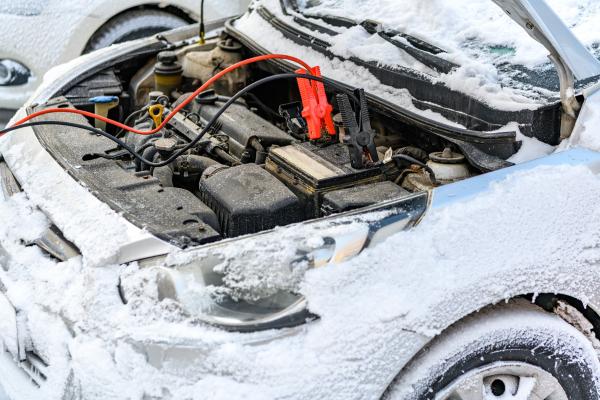
What Are Cold Start Issues?
Definition & Importance
Cold start issues refer to the difficulty or failure of an engine to start in low temperatures, often accompanied by symptoms like hard cranking, sputtering, delayed ignition, or rough idling. These problems can put extra stress on critical components such as the starter motor and battery, while also increasing wear on internal engine parts due to delayed oil circulation. Over time, repeated cold start struggles can reduce overall vehicle reliability and shorten engine lifespan.
Why German Cars Are More Vulnerable
German-engineered vehicles like Audi and Volkswagen rely on advanced systems such as direct fuel injection, high-pressure fuel rails, and sophisticated starter control modules. These technologies are designed for precision but are highly sensitive to voltage drops and temperature fluctuations. Even a moderately weakened battery, incorrect oil viscosity, or a slight deviation in fuel spray can disrupt the ignition cycle. Cold Denver mornings intensify these effects, making timely diagnostics and preventative maintenance especially critical.
Diagnostic & Repair Process
- Battery Load Testing & Health Check
Measure cold-cranking amps (CCA) under load and inspect terminals for corrosion. German cars need strong 800+ CCA units for reliable starts in Denver’s freezing temps. - Starter & Electrical System Inspection
Test starter draw, ground paths, and relay function. Look for worn brushes or voltage drop under cranking. - Fuel & Ignition System Assessment
Inspect glow plugs and fuel delivery under cold conditions. Weak spray or slow plug heat can cause misfires and rough starts. - Cold-Engine Sensor Calibration
Use diagnostic tools to check coolant temperature and intake air sensors. Faulty readings can delay fuel–air adjustment and ignition timing. - Engine Oil Viscosity Check
Ensure proper winter-grade synthetic oil is installed, as high viscosity slows cranking and increases energy draw in cold weather.
Benefits of Professional Diagnostics & Repair
- Reliable Starts Every Morning: A properly diagnosed and maintained starting system ensures your Audi or VW fires up instantly—even at sub-zero temperatures—avoiding the stress of getting stranded on a cold Denver morning.
- Extended Component Lifespan: When cold-start issues are addressed early, you reduce wear on high-stress parts like the starter motor, glow plugs, and alternator. This proactive care helps avoid mid-winter breakdowns and expensive replacements.
- Better Fuel Economy: Unresolved cold start problems often cause over-fueling as the engine compensates for poor combustion. Proper fuel system calibration reduces waste, saving you money on gas over the long term.
- Reduced Emissions: Incomplete combustion during cold starts can release excess hydrocarbons. Fixing cold start imbalances supports cleaner emissions and better environmental performance.
- Peace of Mind & Performance: Knowing your vehicle is optimized for cold conditions improves confidence and ensures consistent driving performance—even during Denver’s harshest weather fluctuations.
Real‑World Case Study: 2018 VW Golf R
A 2018 Golf R was brought in after several failed startups early in the season. The car would crank slowly, warning lights would briefly flash, and the interior stayed cold for several minutes. On inspection, the battery tested at only 58% capacity, and voltage dropped to 9.5V under load—insufficient for the vehicle’s demand. Additionally, a weak glow plug bank and thick, aging 5W-40 oil were contributing to poor cold combustion and delayed ignition.
Technicians replaced the battery with a high-capacity AGM unit suited for sub-zero cranking, upgraded to 0W-30 synthetic oil for better flow, and serviced the glow plugs. The team also calibrated the cold-start sensors to better handle Denver’s altitude and winter fluctuations. After repairs, the Golf R started confidently at -15°F, had immediate cabin heat, and showed consistent ignition behavior through the rest of the season. Fuel economy even improved slightly due to more efficient combustion at startup.
Supporting Data: Impact of Cold Starts
- Battery Performance at Low Temp: AAA research shows battery capacity drops around 50% at 0°F², significantly reducing initial power delivery.
- Engine Wear: SAE studies indicate 80% of engine wear can occur during cold-start phase due to oil viscosity and lack of full lubrication.
- Electrical Failures: Industry data shows starter motor failures increase by 35% during prolonged sub-zero conditions, driven by repeated weak starts.
Why Cold‑Start Care Matters for Your Audi or VW
Cold starts aren’t just an inconvenience—they signal stress on key components. Professional cold start diagnostics and repair not only ensure dependable winter performance but also protect engine health, preserve component lifespan, and optimize efficiency. By addressing these issues early, you prevent compounding damage and unexpected breakdowns on icy Denver mornings.
Experiencing cold startup problems? Don’t wait for a full electrical failure. Schedule your cold-start inspection today with Salta Service & Performance. Our German-car specialists will diagnose, repair, and prepare your Audi or Volkswagen for even the coldest morning starts.
FAQs
- How do I test my battery’s cold-cranking strength?
Have a technician perform a load test to check cold-cranking amps (CCA) and inspect for voltage drop under load. - Can thick winter oil really affect start-ups?
Yes—high-viscosity oils slow engine rotation and reduce power delivery, making cold starts more difficult. - Do glow plugs help my VW or Audi start?
Absolutely—particularly diesels. Failing glow plugs extend cranking time and can cause rough starts in low temperatures. - How often should cold-start systems be serviced?
Annually, before the first freeze. Battery, oil, and sensor checks should coincide with fall maintenance.
What if my car only struggles sometimes?
Inconsistent starts can signal weakening battery, intermittent sensor faults, or aging glow plugs—diagnostics can pinpoint the root cause.