If you’ve noticed your Audi or Volkswagen behaving differently as the seasons shift in Denver, you’re not imagining it. From scorching summer sun to sudden snowstorms, Colorado’s climate puts unique stress on German vehicles. High-altitude UV rays fade paint faster, freezing winters strain batteries, and road salts accelerate rust and sensor failures.
Because German cars are engineered with precision parts, seals, and electronics built to tight tolerances, these environmental factors can wear them down faster if not addressed with climate-aware maintenance. In short—your car’s performance and longevity depend not only on mileage but also on how well it’s protected from Denver’s weather extremes.
What Is “Climate Impact” on German Cars?
Definition: Climate impact refers to the way environmental conditions—sunlight, heat, cold, moisture, and altitude—affect vehicle systems over time.
Why It Matters for German Cars: Audi and VW models use specialized materials and tightly integrated electronics. Prolonged UV exposure, freeze-thaw cycles, or high-altitude air density can shorten the lifespan of seals, hoses, fluids, and sensitive sensors.
Without seasonal inspections, small issues like cracked rubber or corroded wiring can escalate into major failures—leaving you with costly repairs that could have been prevented.
Key Ways Denver’s Climate Impacts German Cars
UV Exposure and Paint Fade
- Denver averages 300+ days of sunshine annually, with UV levels 25% higher due to altitude.
- Results: Paint oxidation, dried seals, and cracked trim within just a few years.
- Preventive Tip: Use ceramic coatings, UV-resistant wax, or park in shaded/covered spaces.
Extreme Temperature Swings
- Winter lows can drop to -29°F, while summer highs surpass 100°F.
- Results: Rubber hoses split, coolant loses efficiency, and electronics experience thermal stress.
- Preventive Tip: Seasonal coolant flushes, hose inspections, and thermostat checks.
Altitude Stress on Engines
- At 5,280 ft, air is thinner, making engines run hotter under load.
- Results: More strain on radiators, intercoolers, and ECU calibration.
- Preventive Tip: High-altitude ECU updates, radiator inspections, and precise coolant balancing.
Road Salt and Winter Moisture
- Colorado uses de-icing solutions and sand during snow season.
- Results: Rust on brake lines, subframes, and sensors.
- Preventive Tip: Bi-annual underbody washes and anti-corrosion sprays.
Benefits of Climate-Focused Service for Audi and VW Owners
- Longer Paint & Trim Life: UV protection reduces fading and cracking, helping your car maintain its resale value.
- Engine Reliability: Seasonal coolant checks prevent freeze damage and overheating during summer climbs.
- Safer Braking & Handling: Underbody rust prevention protects brake lines and suspension from premature failure.
- Consistent Electronics Performance: Proactive inspections catch moisture- or heat-damaged sensors before dashboard errors appear.
- Cost Savings: Preventive care reduces the likelihood of $3,000–$5,000 engine or electronics repairs caused by avoidable climate damage.
How Denver’s Climate Affects Interiors and Electronics in German Cars
It’s not just engines and paint that suffer in Denver’s extremes—your Audi or Volkswagen’s interior materials and electronics are equally vulnerable. With thinner air and stronger UV rays, Denver’s climate accelerates wear inside the cabin and stresses onboard systems.
- UV and Cabin Materials: At a mile high, UV rays penetrate windshields and sunroofs more intensely, causing leather to crack, dashboards to fade, and plastics to warp. Without regular conditioning or UV-blocking treatments, interiors in German cars can age prematurely.
- Electronics and Sensors: From adaptive cruise control to climate control modules, Audi and VW models are packed with sensitive electronics. Denver’s freeze-thaw cycles can cause condensation inside connectors, while heat accelerates sensor degradation. Over time, these stresses can lead to intermittent dashboard warnings or system malfunctions.
- Battery Drain from Comfort Features: Heated seats, advanced infotainment, and driver-assist systems demand high electrical loads. Cold Denver mornings already reduce battery strength by up to 60% (AAA data), so any extra strain increases the risk of no-start issues.
Preventive Tips for Interior and Electronics Care in Denver:
- Apply leather conditioner and UV-protective sprays to seats, dashboards, and trim.
- Use windshield sunshades or ceramic window tint to block UV.
- Inspect climate and safety sensors before winter to ensure reliable performance.
- Test batteries every six months, especially before the first major freeze.
By caring for your interior and electronics with the same attention you give to your engine and bodywork, you’ll protect both the luxury feel and advanced technology that make German cars special.
Real-World Case Study: VW Tiguan in Denver
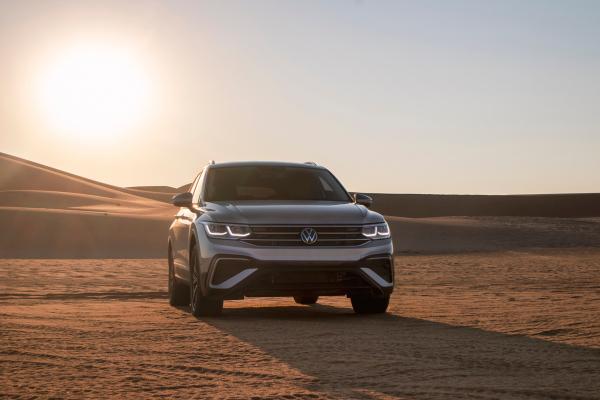
A 2019 Volkswagen Tiguan owner reported recurring dashboard warnings, sluggish heating in winter, and visible rust underneath after just four years in Denver.
- Diagnosis: Technicians found cracked coolant hoses from freeze-thaw cycles, corroded underbody panels from road salts, and UV-faded exterior trim.
- Service: A full coolant flush, hose replacement, ECU recalibration for altitude, ceramic coating, and underbody anti-rust treatment.
- Outcome: The Tiguan ran cooler in summer climbs, no new dashboard faults occurred, and rust progression halted—restoring reliability and extending the vehicle’s lifespan.
This case shows how Denver’s climate can accelerate wear on German cars—and how proactive, climate-focused service prevents long-term damage.
Supporting Data: Why Climate Matters More in Denver
- UV Risk: EPA data shows Denver’s average UV index of 7–8 increases paint fading risk by 50% compared to lower-altitude U.S. cities.
- Hose Wear: AAA research (2023) found hoses exposed to swings from -20°F to 95°F deteriorate 30% faster.
- Rust Incidents: Colorado DOT reports corrosion-related brake/sensor issues increase by 25% in the months after heavy snowstorms.
- Battery Failures: AAA estimates battery strength drops 60% at 0°F, with German cars more prone due to high electrical loads.
FAQs About Climate Impact on German Cars in Denver
How often should I schedule climate-specific maintenance for my Audi or VW?
At least twice a year—once before winter and again before peak summer heat.
Does Denver’s altitude affect German car engines?
Yes. Thinner air reduces cooling efficiency and forces the ECU to work harder, making seasonal calibrations critical.
Can ceramic coatings really protect my car from UV damage?
Yes. They add a protective barrier that slows paint oxidation and prevents trim cracking under high UV exposure.
How do I prevent winter rust on my VW or Audi?
Schedule underbody washes after snowstorms and apply corrosion inhibitors before winter.
Why do my sensors fail more often in Denver compared to other states?
Rapid freeze-thaw cycles, road salts, and thermal expansion stress electronics—German cars’ tightly integrated systems make them more sensitive.
Why does my Audi battery die faster in Denver winters?
Cold temperatures reduce battery power by up to 60%, and German cars draw more voltage for electronics.
How do I protect my VW from Denver road salt?
Rinse the underbody regularly and apply anti-corrosion treatments before winter.
Does altitude make German cars overheat?
Yes, thinner air impacts cooling—making radiator checks and coolant flushes essential.
Protecting Your Audi or Volkswagen from Denver’s Climate
Denver’s mix of high UV, extreme temperatures, road salt, and altitude creates a perfect storm for vehicle wear. For Audi and Volkswagen owners, this means climate-aware service is not optional—it’s essential for preserving performance, safety, and long-term value.
By investing in seasonal inspections, UV protection, coolant management, and underbody care, you can prevent costly failures and keep your German-engineered car driving like new—through every Colorado season.
For more insights and tailored maintenance resources, explore guides from Salta Service & Performance—your trusted partner in keeping Audi and Volkswagen vehicles protected against Denver’s toughest climate conditions.