
Driving an Audi or Volkswagen in Denver means more than just enjoying precision German engineering — it also means dealing with unique electrical challenges. Denver’s climate is famously unpredictable: mornings can start with sub-zero temperatures, and by afternoon the city may see sunshine and 60-degree warmth. Over time, this rapid shift puts stress on batteries, wiring, and sensors. Add high-altitude driving and mountain trips into the mix, and your car’s electronic systems are working harder than most.
For German vehicles — with their intricate networks of modules and sensors — this challenge is amplified. These vehicles are designed with precision and complexity, and while that results in great performance, it also requires equally precise diagnostics when things go wrong.
For example:
- A sudden battery drain in an Audi A4 may actually be caused by a faulty control module.
- A sensor fault in a VW Tiguan might trigger multiple warning lights, leaving drivers unsure of the true cause.
In German cars, one small electrical misfire can cascade into system-wide problems. That’s why electrical troubleshooting is essential.
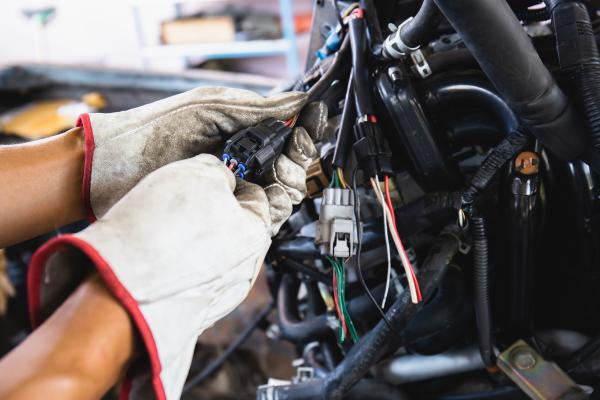
What Is Electrical Troubleshooting in Audi & Volkswagen Vehicles?
Electrical troubleshooting in Audi & VW cars means diagnosing and fixing issues in wiring, sensors, and electronic modules that control performance, safety, and comfort.
In these vehicles, electrical systems cover far more than just the battery and alternator. They include:
- ADAS (Advanced Driver Assistance Systems): Adaptive cruise control, lane assist, and collision prevention.
- ECUs (Electronic Control Units): Control turbo boost, fuel injection, lighting, and HVAC.
- Comfort & Infotainment: Heated seats, ambient lighting, navigation, and premium audio.
Because these systems are interconnected, even a minor fault in one area can affect others. For example, a malfunctioning sensor in an Audi Q7 could disable advanced safety features and simultaneously trigger performance issues.
Step-by-Step: How Professionals Diagnose Audi & VW Electrical Issues
Professional technicians in Denver follow a structured diagnostic process:
Driver Interview & Symptom Review
Understanding when and how the issue occurs (cold mornings? mountain trips?) helps narrow down causes quickly.
Visual & Physical Inspection
Corroded connectors from road salt, brittle wiring from summer heat, and moisture intrusion from snow are common in Denver. Spotting these signs early prevents costly damage.
OEM-Level System Scan
Using VCDS (VAG-COM Diagnostic System), we access Audi- and VW-specific modules that generic OBD-II scanners miss. This provides:
- Advanced fault codes.
- System-specific tests.
- Real-time data monitoring.
- Calibration capabilities.
Pinpoint Testing
Tools like multimeters and oscilloscopes confirm whether a component is truly defective. This prevents replacing good parts unnecessarily.
Repair & Verification
Using OEM or OE-equivalent parts, we repair, reassemble, and test the vehicle under real Denver driving conditions — from cold starts to mountain inclines.
Why Professional Diagnostics Matter
Choosing professional troubleshooting isn’t just about convenience — it’s about accuracy and safety:
- Accuracy: OEM tools eliminate guesswork.
- Time Savings: Fixing the root cause avoids trial-and-error delays.
- Safety: Airbags, ABS, and lighting rely on accurate electrical function.
- Cost Efficiency: Prevents replacing parts that aren’t actually broken.
- Longevity: Protects sensitive wiring and control modules.
Case Study: Volkswagen Passat Electrical Drain in Denver
One winter, a Denver driver brought in a 2017 Volkswagen Passat with dashboard flickers and a battery that kept dying after short trips.
Initial Tests:
The battery and alternator tested normal, which ruled out common charging problems.
Advanced Diagnostics:
With VCDS, our technicians found an infotainment control module that stayed active even when the car was shut off — a parasitic draw invisible to generic scanners.
Solution:
We replaced the faulty module with a new OEM unit, programmed it to factory specs, and re-tested the car during multiple cold starts.
Result:
The battery drain was eliminated, saving the driver from repeated jump-starts and unnecessary alternator replacement.
Takeaway: Without Audi- and VW-specific diagnostics, this issue might have been misdiagnosed, leading to wasted time and money.
Denver Driving Conditions & Electrical Strain
German cars in Denver face unique pressures:
- Winter Cold Snaps – Reduce battery efficiency, often leading to slow cranking.
- High Altitude – Impacts pressure sensors, air-fuel ratios, and adaptive systems.
- I-25 Stop-and-Go Traffic – Short trips reduce alternator charging capacity.
- Mountain Driving – Requires stability control, traction systems, and adaptive headlights to perform flawlessly.
Pro Tip: Schedule pre-season electrical inspections before ski trips, high-altitude travel, or the first deep freeze to prevent breakdowns.
Preventative Maintenance Tips for Denver Audi & VW Owners
- Battery Health Checks: Test before every winter; cold weather strains even new batteries.
- Moisture Protection: Ensure seals around fuse boxes and connectors remain intact.
- Regular Module Scans: Proactively catch small issues before they disable major systems.
- Avoid Aftermarket Shortcuts: Non-OEM parts may not communicate properly with German control modules.
- Seasonal Diagnostics: Before ski season or summer mountain driving, schedule a checkup to avoid surprises.
Key Stats for Audi & VW Electrical Issues
- AAA: Battery problems are the leading cause of winter roadside calls in Colorado.
- CarMD: German cars rank among the most complex electrical architectures in the industry.
- Industry Insight: ~60% of failures trace back to wiring or modules, not failed components.
FAQs: Audi & VW Electrical Troubleshooting in Denver
How often should I rotate my tires in Allen, TX?
Most experts recommend rotating your tires every 5,000 to 7,500 miles. In Allen, with seasonal temperature swings and frequent stop-and-go traffic, regular rotation helps extend tire life and improve traction.
What are signs I need brake service?
Watch for:
- Squealing or grinding noises
- Soft brake pedal feel
- Vibration when braking
- Longer stopping distance
If you notice any of these, it’s best to schedule an inspection ASAP.
Why does my check engine light keep coming on?
It could be a loose gas cap, worn spark plugs, or even a failing oxygen sensor. A quick diagnostic scan can pinpoint the issue and save you from bigger repairs later.
Is it safe to drive in Texas heat without A/C service?
Not really. The extreme summer heat in Allen, TX, can be dangerous — especially for kids, pets, or elderly passengers. A quick A/C recharge or inspection keeps your ride cool and safe.
When should I replace my car battery?
Most car batteries last 3–5 years, but extreme temps (like Texas summers and cold snaps) can shorten that lifespan. Get yours tested if it’s over 3 years old or if you’re seeing slow engine starts.
Salta Service & Performance — Denver’s Audi & VW Experts
At Salta Service & Performance, we specialize in Audi and VW electrical diagnostics in Denver. Our team works exclusively on these brands, combining factory-trained expertise with OEM tools for unmatched accuracy.
If your Audi or Volkswagen shows signs of electrical trouble — from dashboard warnings to sudden power loss — schedule a diagnostic appointment with Salta Service & Performance today. We’ll keep your German car running at peak performance, no matter Denver’s climate.