
European hybrid vehicles can present unique maintenance considerations because their gasoline engines may start and stop frequently or operate for relatively short periods. When the engine does not remain at full operating temperature long enough, moisture and fuel contamination can remain in the oil and contribute to accelerated degradation. Using the correct manufacturer-approved oil remains important, while appropriate oil change intervals should also account for how the vehicle is actually driven and operated.
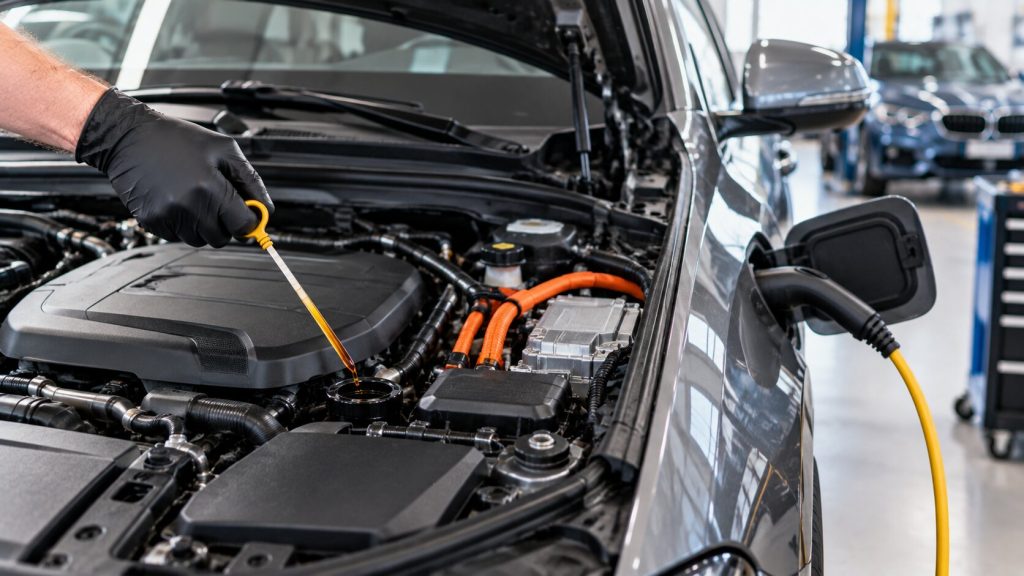
European hybrid vehicles, such as the BMW 330e, Porsche Cayenne E-Hybrid, Volvo XC90 Recharge, and Audi Q5 TFSI e, combine electric motor efficiency with internal combustion performance. However, these vehicles experience frequent engine start-stop cycles that can alter operating temperatures, thermal cycles, and maintenance needs compared to traditional gas-powered cars.
For local drivers dealing with cold winter mornings or trips up into the mountains, knowing how hybrid powertrains affect engine oil goes a long way toward keeping the vehicle running smoothly. Figuring out the right approach starts by looking at how the car is actually driven day to day, and further inspection or testing is often recommended to nail down the ideal service schedule.
How Hybrid Powertrains Impact Engine Oil
In a conventional vehicle, the engine typically reaches and maintains a consistent operating temperature more quickly than hybrid vehicles. Hybrid vehicles behave differently because the internal combustion engine turns off and on frequently to optimize fuel economy.
- Temperature Fluctuations: Short electric-only drives may prevent the engine oil from reaching optimal operating temperatures, which can influence how moisture and fuel accumulate within the crankcase.
- Start-Stop Cycles: Frequent combustion restarts place distinct demands on lubrication during initial movement, making adherence to manufacturer-approved fluid specifications critical.
- Operating Context: While Denver’s climate, seasonal temperature shifts, and mountain travel introduce varied operating conditions, the required oil specification comes from the manufacturer regardless of where the vehicle is driven.
Oil Specifications and Maintenance Intervals
European manufacturers set rigorous standards for fluid chemistry, viscosity, and additives. We treat viscosity, manufacturer approval, and service intervals as separate considerations to ensure the engine receives the exact protection engineered for it.
Manufacturer-Approved Standards
European hybrids require applicable manufacturer-approved oil (such as specific BMW Longlife-17 FE+, Porsche C20, or VW 508 00 / 509 00). Using oil that meets these formal standards ensures the fluid can handle the thermal stresses unique to turbocharged hybrid engines.
A 5,000-Mile Baseline
For most modern vehicles and typical driving habits, we recommend changing the engine oil every 5,000 miles. In our experience, this provides a practical maintenance interval that accounts for the short trips, repeated cold starts, temperature changes, and varied operating conditions most vehicles experience in everyday use. Certain vehicles or operating conditions may justify a different interval, which is why we also consider the specific engine, manufacturer requirements, vehicle condition, time, mileage, and how the vehicle is driven when making maintenance recommendations.
Professional Inspection and Maintenance Support
Maintaining a European hybrid requires a careful balance of factory guidelines and professional evaluation. When your vehicle is due for service, we use a structured approach to help identify emerging concerns early.
- Digital Vehicle Inspections: We perform physical and visual checks of accessible areas, documenting findings with transparent photos and detailed notes.
- Fluid and Filter Selection: Using oil that meets the vehicle manufacturer’s specifications and a quality, application-specific filter helps ensure proper lubrication and filtration throughout the service interval.
- Clear Communication: We review inspection findings clearly so you can make informed decisions about ongoing upkeep.
Depending on the vehicle and symptoms, further testing or diagnostic evaluation may be needed to determine the exact cause of any performance changes.
Schedule Your European Hybrid Service in Denver
When your European hybrid needs professional care, bring it to us at Salta Automotive. We offer expert diagnostics, Digital Vehicle Inspections, and precision maintenance tailored specifically to your vehicle. Book your appointment online or drop by 1001 E 75th Ave UNIT A, Denver, CO 80229 to learn more about my specialized services.
Frequently Asked Questions
Do hybrid vehicle engines need special oil compared to non-hybrids?
No special geographic or alternative oil is required for hybrids. However, they do require the manufacturer-approved oil specified for your specific European engine model, regardless of the vehicle being hybrid or non-hybrid.
Do frequent start-stop cycles mean I need more frequent oil changes?
Generally, yes. Frequent starts combined with short engine run times can prevent the oil from remaining at operating temperature long enough to evaporate accumulated moisture and fuel contamination. These operating conditions can accelerate oil degradation and are one reason we recommend a 5,000-mile oil change interval for most modern vehicles.
How does cold Denver weather affect hybrid engine oil?
Cold starts require oil that flows properly at low temperatures while maintaining high-temperature protection. Adhering strictly to manufacturer viscosity and approval guidelines ensures the oil performs correctly across seasonal temperature swings.
What is included in a standard hybrid oil service at Salta Automotive?
A standard service includes draining the old fluid, installing vehicle-specific oil, a fresh drain plug gasket and a matching filter, and performing a thorough Digital Vehicle Inspection with photos and technician notes covering accessible components.
How can I check my hybrid vehicle’s maintenance schedule?
Your owner’s manual and onboard maintenance system are good starting points, but your vehicle’s service history and how you drive it should also be considered. If you’re unsure what maintenance your hybrid needs or when it should be performed, schedule a visit with Salta Automotive. We can review your vehicle and its service history and help you build a maintenance plan that makes sense for how you actually use your car.