
Frequent short trips can prevent European engines from reaching full operating temperature, allowing moisture and unburned fuel to accumulate in the oil. Denver’s seasonal climate and local driving patterns can add to these challenges, making it important to use manufacturer-approved fluids while choosing maintenance intervals that account for how the vehicle is actually driven.
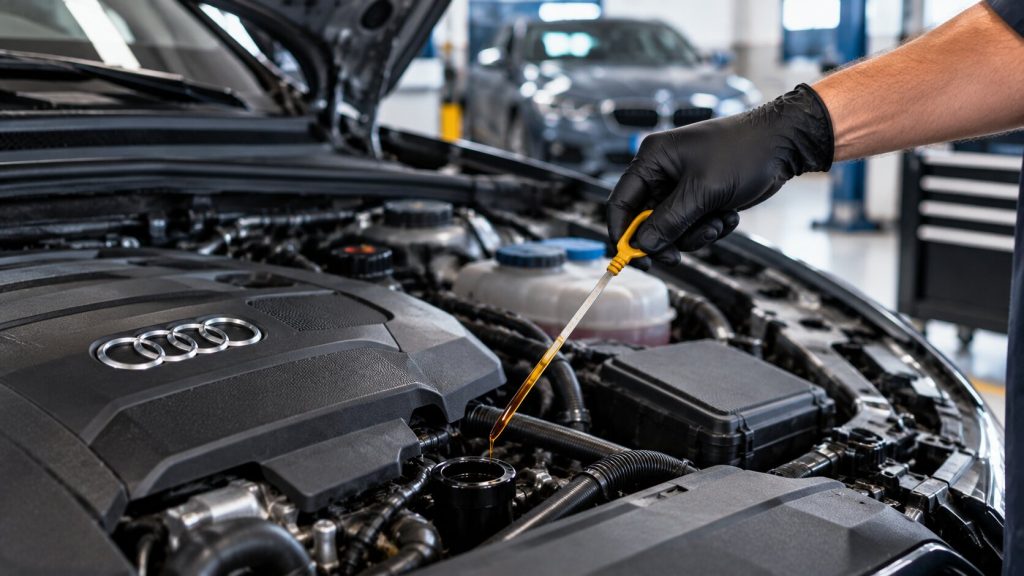
Repeated short trips can prevent an engine from reaching full operating temperature, allowing moisture and unburned fuel to accumulate in the oil. Denver’s seasonal climate and local driving patterns can further influence operating conditions. Using fluids that meet the manufacturer’s specifications remains essential, but appropriate maintenance intervals should also consider how the vehicle is driven and the conditions it regularly experiences.
For European vehicle owners navigating daily commutes around Denver, quick errands and short drives are a routine part of life. However, repeatedly driving short distances changes how engine oil ages over time. Understanding these dynamics helps protect the longevity and performance of vehicles like Audi, BMW, Mercedes-Benz, Porsche, and Volkswagen.
Why Engine Temperature Matters for Oil Condition
When you start a vehicle, the engine and its internal components are cold. Oil viscosity is designed to protect moving parts across varying temperatures, but engine oil performs best when it reaches its optimal operating range.
During short drives, such as a quick trip to the grocery store or a brief commute, the engine often does not stay running long enough to reach full operating temperature. This impacts fluid dynamics in a few key ways:
- Moisture Accumulation: Combustion naturally produces water vapor. When an engine runs long enough to get fully warmed up, this moisture evaporates and is vented through the crankcase ventilation system. Short trips prevent complete evaporation, allowing moisture to mix with the oil.
- Fuel Dilution Factors: During cold starts, engines temporarily run a richer air-fuel mixture. In longer drives, the heat of the engine quickly vaporizes any small amount of fuel that bypasses the piston rings into the crankcase. On very short trips, that unburnt fuel can remain in the oil longer.
- Oil Contamination: Short trips do not allow the engine oil to remain at operating temperature long enough to evaporate moisture and fuel contamination. When this pattern is repeated regularly, those contaminants can remain in the oil and contribute to accelerated degradation.
Operating Considerations in Denver
While local conditions do not change manufacturer-mandated fluid specifications, geography and climate introduce unique variables for drivers in the Denver area:
- Cold Starts: Winter temperatures and chilly morning starts mean engines take longer to warm up, amplifying the effects of short-distance driving.
- Urban Commuting: Stop-and-go city traffic combined with short trips means the vehicle spends less time at steady highway speeds, where sustained heat helps stabilize oil condition.
Driving patterns, temperature changes, and vehicle use can influence maintenance needs, but the required oil specification always comes from the manufacturer. European engines require applicable manufacturer-approved oil regardless of where they are driven.
Maintaining Your European Vehicle
Every model, engine, and manufacturer has unique requirements. To help protect your engine’s internal components from the gradual effects of frequent short trips, cold starts, and fuel dilution, we generally recommend a 5,000-mile oil change interval.
- Follow a Trusted Maintenance Plan: Work with a repair shop you trust to establish maintenance intervals appropriate for your specific vehicle, its condition, and how you drive it.
- Incorporate Regular Inspections: Routine physical or visual checks, along with Digital Vehicle Inspections (DVIs) that feature our technician notes and photos, help track fluid health and overall component wear.
- Allow Proper Warm-Ups: When possible, combining errands into a single trip or allowing the engine a brief, gentle warm-up period helps manage condensation buildup.
Depending on the vehicle and symptoms, we may recommend further testing or an evaluation to determine the exact condition of your engine oil and components.
Expert European Vehicle Care in Denver
If your daily routine involves frequent short trips or you are approaching your next service interval, my team at Salta Automotive is here to help. Located at 1001 E 75th Ave Unit A, Denver, CO 80229, our shop specializes in quality care for European makes like BMW, Audi, Mercedes-Benz, and more. Schedule your European oil service or visit us today to keep your car performing at its best.
Frequently Asked Questions
Do short trips mean I need to change my oil more often?
Frequent short-trip driving accelerates the accumulation of moisture and unburnt fuel in the crankcase. To protect engine components from fluid degradation, we recommend a 5,000-mile oil change interval for most vehicles driven under these conditions.
Can Denver’s altitude or cold weather change my oil type?
No. Denver’s altitude and seasonal temperature changes influence operating conditions, but European engines require the applicable manufacturer-approved oil specification regardless of where they are driven.
What is a Digital Vehicle Inspection?
A Digital Vehicle Inspection (DVI) is an evaluation process where technicians inspect accessible areas of your vehicle and provide clear findings, often supplemented with photos and detailed notes sent directly to you.
Does a check engine light always relate to oil condition?
A check engine light can be triggered by many different conditions. Testing and evaluation are always needed before the underlying cause and proper repair can be determined.