
Engine oil life is affected by driving conditions like short trips, fuel dilution, and mountain driving, not just mileage. Factors like cold starts, heat, and engine condition cause gradual oil degradation. Protecting your engine requires using manufacturer-specified oil, addressing mechanical issues, and following a regular maintenance schedule based on both time and mileage.
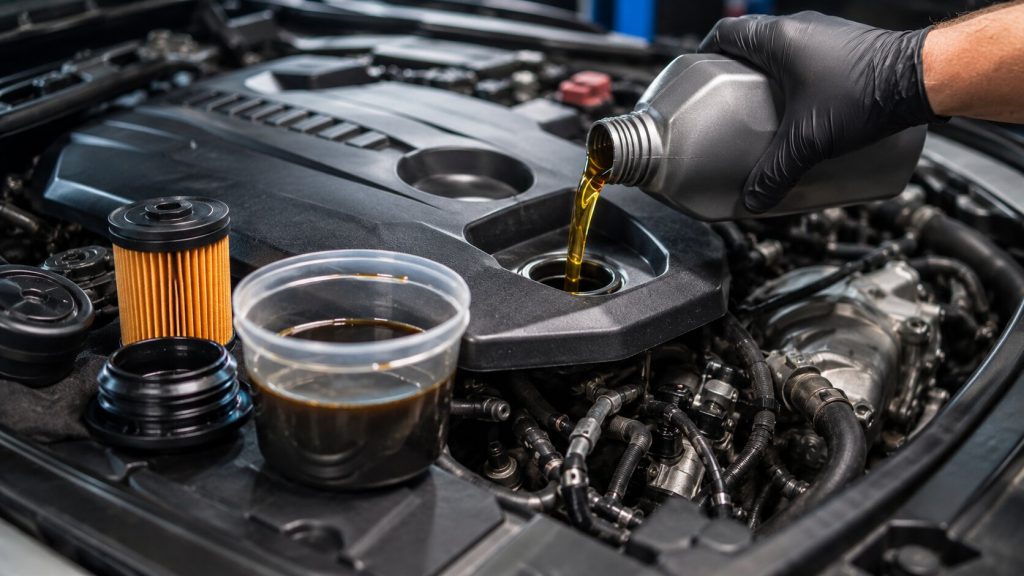
Engine oil does more than lubricate moving parts. It also helps manage heat, suspend contaminants, protect against corrosion, and support the hydraulic operation of components such as variable valve timing systems and timing chain tensioners. As oil accumulates miles and time in service, heat, oxidation, fuel dilution, moisture, and combustion byproducts gradually affect its condition and ability to perform those jobs.
That is why oil life should not always be judged by mileage alone. How a vehicle is driven, how often it reaches full operating temperature, the condition of the engine, and the manufacturer’s requirements all play a role in determining an appropriate maintenance interval.
Short Trips Can Be Hard on Engine Oil
An engine does not immediately reach full operating temperature when you start driving. Cold-start operation requires different fueling strategies, and some combustion gases, fuel, and moisture make their way past the piston rings and into the crankcase during normal operation. Once the engine reaches and remains at normal operating temperature, volatile fuel and moisture in the oil can be reduced through the crankcase ventilation system.
Frequent short trips limit the amount of time the engine spends fully warmed up, allowing more of these contaminants to remain in the oil. Over time, this type of driving can contribute to moisture and fuel contamination even when relatively few miles have accumulated. A vehicle driven five miles at a time experiences very different operating conditions than one driven the same total mileage primarily on longer highway trips.
How Fuel Dilution Affects Engine Oil
Fuel dilution occurs when gasoline or diesel fuel enters the crankcase and mixes with the engine oil. Some fuel reaching the oil is a normal consequence of engine operation, particularly during cold starts. Excessive fuel dilution, however, reduces oil viscosity and compromises its ability to maintain a protective lubricating film between moving components.
Modern direct-injected engines deserve particular consideration because fuel is injected directly into the combustion chamber at high pressure. Engine design, cold-start operation, driving patterns, and mechanical condition all influence how much fuel ultimately reaches the crankcase. Fuel dilution can become excessive when an engine has an underlying problem such as a leaking injector, repeated misfires, excessive blow-by, or another condition affecting combustion.
A fuel smell in the engine oil is worth investigating, but it does not identify the cause by itself. Determining whether abnormal fuel contamination is occurring requires considering that observation alongside the engine’s operating condition and other diagnostic information.
Heat, Load, and Oil Degradation
Engine oil is designed to operate at high temperatures, and high-quality oil that meets the manufacturer’s required specification provides substantial protection under normal operating conditions. Normal engine heat does not mean the oil is being damaged. Temperature and time do, however, influence the chemical aging of engine oil.
Sustained elevated temperatures accelerate oxidation and gradually deplete the additives used to maintain cleanliness, control deposits, and protect internal components. Engine load affects these conditions as well. For Denver-area drivers, long mountain climbs on I-70 are a good example.
Climbing steep grades places the engine under greater load for extended periods, and turbocharged engines may operate at higher boost as a result. That additional workload increases the amount of heat the engine and its lubricating system must manage. A trip into the mountains does not ruin engine oil. It does illustrate why two vehicles with the same mileage can expose their oil to very different operating conditions.
Denver Driving Can Create Very Different Operating Conditions
Colorado driving presents engines with a broad range of conditions. A vehicle may experience a freezing cold start in the morning, a short commute through town, stop-and-go traffic on I-25, and sustained highway or mountain driving on the weekend.
Each condition affects the engine differently. Cold starts and short trips increase the opportunity for moisture and fuel to remain in the crankcase. Longer trips allow the engine to spend more time at normal operating temperature. Sustained mountain driving increases engine load and thermal demand. Vehicles that are driven infrequently may accumulate relatively few miles while their oil remains in service for a long period of time.
None of these conditions automatically means the oil is unsuitable for continued service. Together, however, they demonstrate why mileage is only one factor in determining an appropriate oil change interval.
Engine Condition Matters Too
While driving habits are only part of the equation, the mechanical condition of the engine can have an even greater effect on engine oil. Problems involving fuel injectors, piston ring sealing, crankcase ventilation, engine temperature control, or combustion can increase contamination or otherwise affect the environment in which the oil operates. A leaking fuel injector, for example, can contribute to excessive fuel dilution, while a crankcase ventilation problem can interfere with the engine’s ability to manage crankcase vapors and contaminants.
This is where proper diagnosis matters, because the scan tool provides valuable operating parameters, that information must always be interpreted in context. A fuel trim value alone does not indicate oil contamination, but it provides another critical piece of information when investigating underlying engine problems. Ultimately, modern technology simply provides the raw information, while skilled technicians provide the actual understanding.
Use the Correct Oil, Not Just the Correct Viscosity
Choosing engine oil involves more than selecting a viscosity such as 0W-20, 5W-30, or 0W-40. Manufacturers establish oil specifications that include requirements for viscosity, oxidation resistance, deposit control, wear protection, emissions-system compatibility, and other performance characteristics.
This is particularly important for modern European vehicles, where manufacturers such as BMW, Audi, Volkswagen, Mercedes-Benz, and Porsche specify particular oil approvals for individual engines. When servicing your vehicle, I choose engine oils that meet strict manufacturer requirements for the vehicles I service. Using the correct oil provides the foundation for protecting the engine throughout the service interval.
Why We Recommend Regular Oil Changes
Factory maintenance intervals are developed around specific vehicle designs, approved lubricants, operating assumptions, and maintenance strategies. They provide an important reference, but they cannot account for every vehicle’s operating conditions, mechanical condition, or driving pattern.
I generally recommend engine oil service every 5,000 miles, while also considering time for vehicles that accumulate mileage slowly. I consider this a responsible maintenance interval for protecting the long-term condition of the engine, rather than simply determining how long the oil can remain in service. Regular oil changes also give me an opportunity to inspect your vehicle for developing maintenance and repair needs.
The goal is not to predict the exact mile at which engine oil suddenly becomes unsuitable. Oil degradation occurs gradually and is influenced by many variables. Regular maintenance provides a practical margin of protection rather than trying to use every possible mile of an oil’s service life.
Protect Your Engine With Proper Maintenance
Good engine maintenance does not require assuming that every cold start, traffic jam, or mountain drive is damaging your oil. It requires recognizing that different operating conditions affect oil differently and maintaining the vehicle accordingly. Using the correct manufacturer-specified oil, maintaining an appropriate time and mileage interval, and addressing engine problems that contaminate the oil are all important parts of protecting modern engines.
If your vehicle is due for service or you need help determining an appropriate maintenance schedule for the way you drive, reach out to me to schedule your next appointment. You can find our shop at 1001 E 75th Ave, Unit A, Denver.
Frequently Asked Questions
Do short trips affect engine oil life?
Yes. Frequent short trips limit the amount of time the engine spends at full operating temperature, which can allow more moisture and volatile fuel to remain in the crankcase. How significant that effect becomes depends on trip length, operating temperature, engine design, and other driving conditions.
What is fuel dilution in engine oil?
Fuel dilution occurs when gasoline or diesel fuel enters the crankcase and mixes with the engine oil. Excessive dilution reduces oil viscosity and compromises its ability to maintain a protective lubricating film. Some fuel dilution occurs during normal engine operation, while excessive contamination can result from driving conditions or an underlying mechanical problem.
Does mountain driving damage engine oil?
Mountain driving does not inherently damage engine oil. Climbing steep grades increases engine load and thermal demand, and turbocharged engines may operate at higher boost under those conditions. Properly specified engine oil is designed to handle demanding operation, but sustained load is one of several factors that influence oil degradation over time.
Should I change my oil based on time or mileage?
Both matter. Mileage reflects vehicle use, while elapsed time becomes particularly important for vehicles that accumulate miles slowly or make frequent short trips. I generally recommend oil changes every 5,000 miles while also considering elapsed time, manufacturer requirements, vehicle design, and how the vehicle is used.