
Denver roads take a beating from the weather. Smacking a deep pothole there can easily wreck your suspension or pop a tire. Spotting pothole damage early can save your car from bent rims or a shaky steering wheel. Checking your alignment and suspension after a hard hit keeps you safe. A quick expert look prevents small rattles from turning into expensive repairs.
Why This Issue Matters
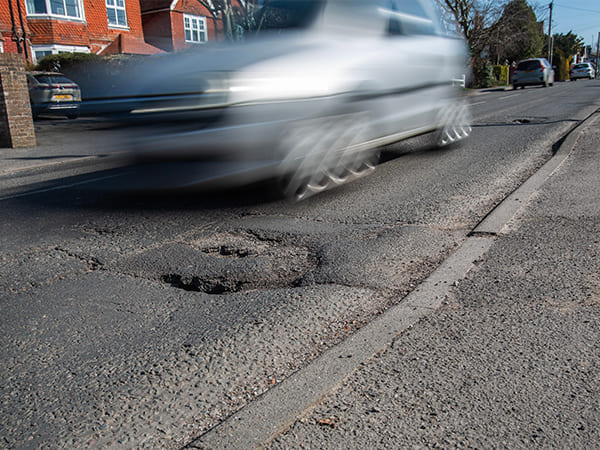
Potholes show up all over Denver once the snow melts. This happens because the shifting temperatures break down the road surface throughout the colder months. Spring brings potholes that act like landmines for your car. These holes shred tires. They also force your wheels into bad angles that cause uneven wear. You might notice your car pulling to the side, shredded tire treads, or broken suspension parts. Small glitches quickly turn into expensive repairs. If you wait too long, you might face a breakdown that ruins your car and endangers your passengers. Fixing these small problems now keeps your engine healthy and saves you from a massive mechanic bill later.
How the System Actually Works
Proper alignment and sturdy tires support your suspension system. These parts cooperate to give you total control behind the wheel. Your suspension takes the hit so you do not feel the jolt. A hard hit often knocks your wheels out of line, ruins your tires, and breaks down the suspension.
- Alignment: Keep your wheels pointing in the right direction. When misaligned, your car might pull to one side or cause uneven tire wear.
- Tires: Directly connect your vehicle to the road. Potholes can cause punctures, sidewall bulges, or internal tire damage that may not be immediately visible.
- Suspension: Helps stabilize the vehicle. Hitting a pothole hard can strain suspension components like control arms, ball joints, and shocks, leading to performance issues.
What Commonly Goes Wrong
When you hit a pothole, it can affect multiple systems in your car:
- Alignment Issues: Denver’s streets are notorious for potholes, especially after winter, which can push your vehicle’s alignment out of specification. Misalignment might cause your car to pull to one side, making steering more difficult, especially on highways or during turns.
- Tire Damage: A hard impact with a pothole can cause visible damage to the tire, like bulges or tears, or even damage you can’t immediately see, such as internal separation.
- Suspension Stress: The shock from hitting a pothole can damage your suspension components, leading to issues with handling and stability.
Symptoms vs. Real Causes: How to Identify Problems
After hitting a pothole, here are the common symptoms you might notice:
- Pulling to One Side: This could indicate a misalignment issue, where one wheel is not pointing in the right direction.
- Vibration or Steering Wheel Off-Center: If the steering wheel shakes or is off-center after hitting a pothole, it might be a sign that your alignment or suspension is compromised.
- Uneven Tire Wear: If you notice uneven wear patterns on your tires, this could signal alignment or suspension issues caused by the pothole impact.
The root causes of these symptoms are often misalignment, tire damage, or suspension wear. If you notice any of these issues, it’s essential to get a professional evaluation to identify and address the underlying problem.
Preventive Logic and Best Practices
To prevent further damage, follow these best practices:
- Get Regular Alignment Checks: After hitting a pothole, or if you notice any handling issues, it’s important to have your vehicle’s alignment checked. Regular checks ensure your car tracks straight and reduces tire wear.
- Check Tire Pressure: Uneven or incorrect tire pressure can cause additional strain on your suspension and alignment. Make sure all your tires are properly inflated.
- Inspect Suspension Components: Regular suspension inspections can catch worn-out parts early, such as ball joints or tie rods, preventing further suspension damage.
- Drive Carefully: In Denver, where potholes are common, driving carefully and avoiding road hazards can reduce the chances of misalignment and tire damage.
Cost, Risk, and Downtime Impact of Ignoring Alignment or Suspension Issues
Ignoring pothole-related damage can lead to:
- Increased Fuel Costs: Misalignment and tire issues can increase rolling resistance, causing your engine to work harder and burn more fuel.
- Premature Tire Wear: Misalignment often leads to uneven tire wear, meaning you’ll need to replace your tires sooner than expected.
- Suspension Strain: Driving with suspension issues can cause more extensive damage, leading to costly repairs.
- Reduced Handling and Safety: Compromised suspension or misalignment affects vehicle handling, making it more dangerous to drive—especially in Denver’s winter conditions, where wet and icy roads further decrease traction.
In Denver’s extreme weather conditions, addressing these problems early can prevent costly repairs and keep your vehicle safe and reliable.
Context-Specific Considerations for Denver Drivers
Denver drivers face unique challenges when it comes to road conditions, especially in the winter and spring when the freeze-thaw cycle creates numerous potholes. These conditions make it crucial to regularly check your car’s alignment and suspension, especially after driving through damaged roads. The frequent elevation changes in the area, combined with rapid temperature shifts, can exacerbate alignment and suspension issues. For drivers with European and Asian vehicles—known for their precise suspension systems—these issues can be even more pronounced.
A Real-World Scenario We See Often
A local Denver driver came in after hitting a large pothole during the morning commute. The vehicle, a high-mileage BMW, began pulling to the right. After a thorough inspection, we found that the impact had shifted the alignment and caused the left front tire to wear unevenly. The suspension also showed signs of stress, with worn bushings that had been exacerbated by the pothole. After realigning the wheels and replacing the damaged components, the car returned to its normal handling, and the tire wear stabilized.
This scenario is not unusual for Denver drivers, especially after the long winter months when roads are heavily impacted by snow, ice, and freeze-thaw cycles.
Protecting Your Vehicle from Pothole Damage in Denver
Hitting a pothole in Denver can cause immediate alignment and suspension issues, which, if left unchecked, can lead to costly repairs and compromised safety. By addressing these problems early, you can protect your vehicle from further damage, improve fuel efficiency, and ensure a safer driving experience. Regular alignment and suspension checks are essential, particularly in Denver’s challenging road conditions.
Professional Evaluation
If your car pulls after hitting a pothole, it’s a good idea to have a professional evaluation. At Salta Automotive in Denver, we specialize in diagnosing and correcting alignment, suspension, and tire issues caused by pothole impacts. Book a schedule online and our team can perform a thorough inspection to ensure your vehicle is safe, aligned, and performing optimally.
Frequently Asked Questions
Can hitting a pothole cause alignment issues?
- Yes, potholes are one of the most common causes of misalignment, especially in cities like Denver where roads experience severe weather-related wear.
How can I tell if my car’s alignment is off?
- Symptoms include pulling to one side, uneven tire wear, or a steering wheel that’s off-center. If you notice any of these, an alignment check is recommended.
How often should I check my car’s alignment?
- It’s recommended to check your alignment every 12,000 miles or after hitting a major pothole or road hazard.
What are the risks of ignoring alignment issues?
- Ignoring alignment problems can lead to increased tire wear, reduced fuel efficiency, and strain on your suspension components, which can lead to more expensive repairs.
Can suspension damage from hitting a pothole be repaired?
- Yes, suspension damage caused by potholes can often be repaired by replacing worn-out components like control arms, ball joints, and bushings. However, it’s important to address the issue promptly to avoid further damage to the suspension system and alignment.