
Hey, Denver gearheads! If you’re a performance car enthusiast, let’s dive into the unsung hero of your ride: suspension and alignment. Denver roads take a real beating from the seasons. Keeping your suspension tight and your wheels straight protects your tires from wearing out early and keeps your car handling exactly how it should. Denver roads and thin mountain air can be tough on your car. Fixing small issues today prevents expensive repairs tomorrow and keeps your daily commute stress-free.
Why Suspension and Alignment Matter for Performance Cars
For performance car owners, alignment and suspension are everything. Your car’s handling, cornering grip, and overall stability are directly impacted by these two systems. But for us here in Denver, where our mix of mountain roads, sudden weather changes, and high-altitude conditions add stress on suspension parts, staying aligned isn’t just about hitting top speed—it’s essential for safety and peak performance.
Did you know that Denver’s average annual snowfall is 57.4 inches, and the city’s elevation of over 5,000 feet can contribute to rapid wear on suspension components? Denver drivers need to ensure their performance cars handle the rigors of these conditions properly, especially in the harsh winter months when icy roads and frequent potholes challenge even the most durable suspension systems.
How Suspension and Alignment Work Together
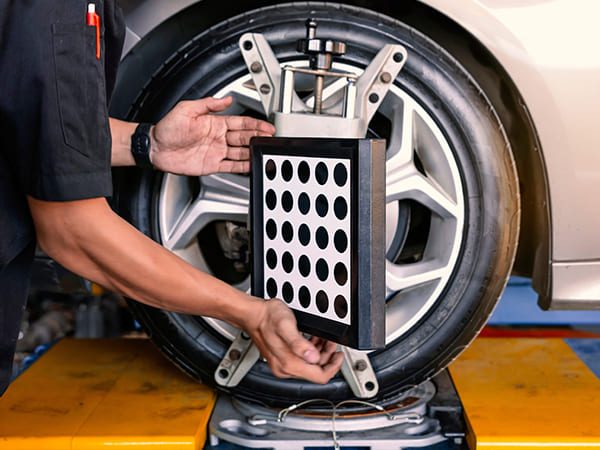
The suspension system controls how your car absorbs bumps and handles turns. It includes components like shocks, struts, springs, and control arms. Alignment refers to how the wheels are positioned in relation to the body of the car. It ensures that your tires are angled correctly and that they point in the right direction.
Proper alignment helps:
- Even tire wear: Prevents excessive wear on one part of the tire, extending its lifespan.
- Improved handling: Keeps your car responsive and stable, particularly important in performance vehicles.
- Better fuel efficiency: Misaligned wheels can cause unnecessary friction, leading to poor fuel economy.
What Commonly Goes Wrong with Suspension and Alignment in Denver?
Several factors can affect the suspension and alignment of performance cars in Denver:
- Suspension wear and tear: Denver’s high-altitude weather can lead to faster deterioration of suspension components, especially during extreme temperature swings, which are common in winter and spring.
- Hitting potholes or curbs: With Denver’s sometimes poorly maintained streets, frequent exposure to potholes and curbs can easily knock your alignment out of spec—especially for performance vehicles with stiffer suspensions.
- Low-quality repairs: If your car wasn’t aligned properly in the first place or subpar suspension components were used, handling and longevity could suffer.
- Environmental conditions: Denver’s dry air and frequent temperature changes can impact suspension parts, causing premature wear and affecting alignment.
Symptoms vs. Real Causes of Alignment Issues
It’s essential to differentiate between symptoms and their underlying causes:
- Steering wheel off-center: This could be a sign of misalignment, where the steering wheel isn’t aligned with the tires.
- Car pulling to one side: A common symptom of misalignment, but it may also indicate tire wear or suspension issues.
- Uneven tire wear: While misalignment is often the cause, it could also indicate worn-out suspension parts or incorrect tire pressure—both of which are exacerbated by Denver’s weather and road conditions.
Understanding these symptoms can guide you to the root cause, helping you avoid unnecessary repairs.
Preventive Logic and Best Practices for Alignment Maintenance in Denver
Maintaining your performance car’s suspension and alignment is about more than just fixing problems when they arise—it’s about preventing them before they become costly issues. Here are some best practices:
- Regular inspections: Have your alignment checked at least once a year or if you notice any of the symptoms above. Denver’s variable weather means you should have your alignment checked more frequently in the winter months when icy roads and snowbanks are more common.
- Drive cautiously: Denver drivers should be especially careful of hitting curbs, potholes, or rough road conditions that can knock your alignment out of spec, particularly when navigating mountain roads or urban streets.
- Tire maintenance: With Denver’s rapid weather changes, tire pressure can fluctuate, so regular checks and tire rotations are essential for even wear and optimal alignment.
- Suspension maintenance: Pay attention to suspension issues like squeaking or poor handling, which can lead to alignment problems.
Cost, Risk, or Downtime Context for Alignment Issues in Denver
Ignoring alignment problems can lead to costly consequences, particularly in Denver’s challenging driving conditions:
- Tire wear and replacement costs: Misaligned wheels cause uneven tire wear, leading to premature tire replacements, a significant expense in a city where roads can be tough on rubber.
- Poor handling: Misalignment reduces stability, making your car harder to handle, particularly on the mountain roads surrounding Denver. This can be especially dangerous when driving on ice or snow.
- Increased fuel consumption: Misalignment creates unnecessary friction, which leads to poor fuel efficiency—a concern for Denver drivers given the city’s frequent fuel price fluctuations.
- Safety risks: Worst-case scenario, poor alignment can compromise your ability to make quick adjustments in emergency situations, increasing your risk of accidents.
Denver-Specific Considerations for Performance Car Alignment
In Denver, factors like altitude, rough roads, and extreme weather can all impact your vehicle’s alignment. For example, Denver’s average winter temperatures hover around 30°F, causing rapid changes in tire pressure and suspension wear. And don’t forget the impact of the city’s 5,280-foot elevation, which can further strain suspension components, particularly when navigating mountainous terrain like the I-70 corridor.
Performance cars, which require precision handling, are particularly susceptible to these stresses. Driving on Denver’s streets, especially in winter or when navigating the foothills, can make your suspension and alignment more prone to wear.
What You Should Remember
Proper suspension and alignment are critical for maintaining your performance car’s safety and handling, especially in Denver’s challenging conditions. By staying on top of alignment maintenance and recognizing the signs of misalignment early, you can avoid costly repairs and ensure your car remains in top condition.
Ensure Your Performance Car Handles Perfectly
If you’re experiencing alignment issues, or if you just want to make sure your performance car is in top shape for Denver’s demanding conditions, schedule a consultation with Salta Automotive. Our team of experts specializes in alignment services tailored to the unique challenges of driving in the Mile High City.
FAQs
How often should I get my performance car’s alignment checked?
It’s recommended to check your alignment at least once a year, or more often if you notice symptoms like uneven tire wear or your car pulling to one side, especially after Denver’s rough winter months.
Can alignment issues affect my car’s handling?
Yes, misalignment can severely impact handling, particularly in high-performance vehicles. In Denver’s mountainous terrain, poor handling could be a safety risk.
Is it safe to drive with a misaligned car?
Misalignment can cause uneven tire wear and poor handling, making it unsafe for long-term driving, particularly on Denver’s unpredictable roads or in winter conditions.
How can I tell if my suspension is causing alignment issues?
If you notice rough handling, squeaking, or your car feels unstable, these could be signs that suspension issues are contributing to misalignment.
Can I align my performance car myself, or should I leave it to a professional?
It’s best to leave alignment to a professional, especially for performance cars, as specialized equipment and precision are required for accurate adjustments.