If you’ve typed “Finding German Car Repair in Denver” into a search bar, you’re not alone. With the city’s high altitude, rough winters, and aggressive road treatments, German vehicles like Audi and Volkswagen face extra strain here—and finding the right shop isn’t just about convenience. It’s about preventing costly mistakes and protecting the performance that makes your car fun to drive.
This guide helps you navigate that search, covering what makes German car repair different, how to vet shops in Denver, and why your Audi or VW needs altitude-aware care.
What Makes German Car Service Unique (And Why It Matters Here)
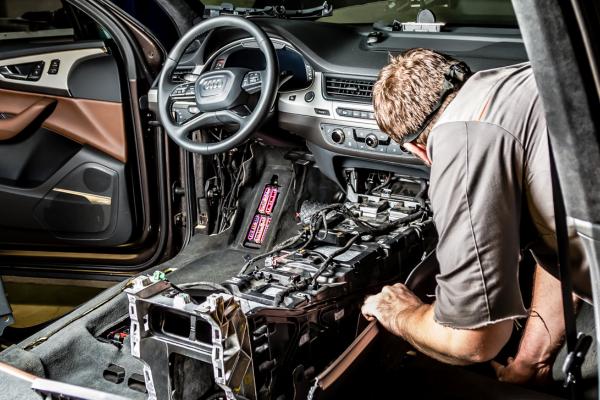
German cars are engineering marvels—but that means their service demands are specific:
- Require OEM-level tools (like VCDS or ODIS)
- Use non-generic fluids and parts
- Feature tight tolerances not forgiving of shortcuts
- Rely on electronic modules that need coding and calibration
Using a shop unfamiliar with these systems can lead to misdiagnosed turbos, improperly reset ECUs, or recurring CELs.
How to Pinpoint a Real Audi/VW Specialist in Denver
Here’s a checklist based on what we see in the shop—and what saves our customers time, money, and headaches:
They Specialize in Audi/VW Only
- Look for shops that don’t work on all imports—just German cars
- Bonus: technicians trained on MQB, MLB, and EA888 platforms
They Use Factory-Level Diagnostics
- OEM tools like VCDS or ODIS matter
- Look for ability to read measured blocks, adaptation values, and freeze frame data
Their Reviews Mention Specific Models
- Watch for mentions of “A4 oil consumption,” “DSG hesitation,” or “GTI misfire fix”—not just “great service”
They Offer Inspection-Based Care
- Do they do seasonal underbody checks for corrosion?
- Will they explain why PCV faults show up more in the winter?
They Ask About Your Driving Conditions
- Do you drive up I‑70 regularly?
- Do they mention readiness monitors or brake fade in mountain descents?
Why the Right German Repair Shop Makes a Difference
Choosing the right Audi/VW repair shop in Denver isn’t just a matter of saving money—it’s about protecting the long-term health and drivability of your vehicle. From smoother acceleration to fewer diagnostic surprises, a true German specialist can help extend the life of your car and reduce the stress of ownership.
The benefits go beyond performance:
- Accurate diagnosis means fewer parts swapped unnecessarily
- Better documentation helps retain value
- Predictive maintenance saves you future headaches
- Custom service plans help align Denver climate realities with Audi/VW engineering, offering proactive care for altitude, seasonal temperature swings, and road salt exposure that can silently degrade underbody components and sensors.
Owner Spotlight: A Mistake Avoided with Platform Knowledge
Vehicle: 2018 VW GTI (EA888 Gen 3)
Symptom: Rough idle, fuel trims off. Another shop quoted $2,200 for an intake manifold replacement based on a surface-level scan result.
Tech Tip: The EA888’s PCV failure often mimics manifold or injector issues. Without a proper smoke test or boost/vacuum trace, it’s easy to misdiagnose.
Action: The owner visited a German-only repair shop for a second opinion. There, technicians ran a full diagnostic workflow including crankcase pressure testing and system-specific data logging.
Findings: A cracked internal diaphragm in the PCV valve was causing unmetered air to enter the intake, creating a lean condition—classic on Gen 3 engines past 60k miles.
Fix: The shop replaced the PCV valve and breather hose, cleared adaptation values, and verified fuel trims were back within range.
Outcome: Car repaired for under $400 with no unnecessary parts replaced. Idle returned to normal and long-term fuel trims stabilized, all without touching the intake manifold. The car was repaired for under $400 with no unnecessary parts replaced.
Why Denver Drivers Need Extra Attention
Denver isn’t just high in altitude—it’s high in automotive demands. From freezing winter mornings to steep inclines on I‑70 and corrosive magnesium chloride on the roads, your Audi or VW faces challenges every season. That’s why Denver-area German car owners need repair shops that account for more than just what a scan tool says. Your vehicle needs a service approach that factors in local road treatments, weather shifts, altitude tuning, and more.
| Common Issue | Seen Often in Audi/VW | Denver-Related Cause |
| Turbo boost irregularity | YES | Thin air at 5,280 ft |
| Subframe corrosion | YES | Winter magnesium chloride |
| Emissions failures | YES | Short winter trips, unset monitors |
CDPHE reports that over 60% of test failures could be avoided with correct diagnosis and service.
Local Roads Require Local Knowledge
Finding German Car Repair in Denver isn’t about the flashiest website or biggest ad. It’s about finding a team that understands what Denver does to German cars.
At Salta Service & Performance, Audi and Volkswagen are all we do. We’ve built our shop around tools, training, and workflows that match the needs of Denver’s roads and your car’s performance envelope. Whether you’re chasing down a phantom misfire or preparing for emissions, we know how to help.
Let’s Make Your Next Repair Easy
Don’t settle for generic repairs or parts guessing. Come see what German-only service feels like.
Schedule your appointment with Salta Service & Performance today.
Want to learn more? Check out our deep dives on Audi oil consumption, DSG fluid service, and Colorado-specific readiness monitor issues.
FAQs: Finding Audi & VW Service in Denver
1. What’s a sign I’m not in the right shop for my Audi/VW?
If they don’t mention platform names (EA888, MLB), or suggest generic diagnostics like “let’s replace the MAF and see.”
2. Why is altitude a concern for my Audi/VW?
Boost adaptation, fuel mixture, and emissions systems all behave differently at 5,280+ ft. Factory settings aren’t always optimized for it.
3. Can’t I just use a general import shop?
Sure, but you risk poor fitment, incorrect parts, and limited scan access.
4. Are all Audi/VW issues expensive?
Not always. Common faults like PCV valves, diverter valves, or EVAP leaks are affordable when properly diagnosed.5. Is independent service warranty-safe?
Absolutely. As long as the shop follows OEM maintenance specs and documents the work, your warranty is protected.