
Starting an Audi or Volkswagen on a sub-zero Denver morning can be a test of patience—and reliability. According to AAA, car batteries lose 60% of their strength at 0°F, while coolant systems face freeze risks that can crack hoses or even engine blocks. German cars, with their advanced electronics and tightly tuned engines, are especially vulnerable to Denver’s freezing mornings and snowy mountain drives.
Winter prep isn’t just about topping off fluids; it’s about tailoring your Audi or VW to the unique demands of high-altitude winters. Done correctly, it prevents breakdowns, improves safety, and preserves the performance you expect from German engineering.
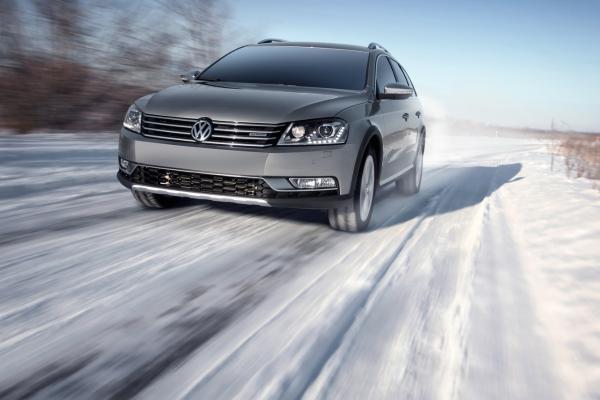
What Is Winter Prep for Audi and Volkswagen Vehicles?
Winter prep is a seasonal service designed to protect your vehicle during freezing conditions. For German cars, it typically includes:
- Coolant System Flush: Removes old antifreeze and ensures freeze protection down to -20°F or below.
- Battery Load Test: Identifies weak batteries before cold starts leave you stranded.
- Tire Upgrade: Fits winter-rated tires designed for icy roads and steep Colorado passes.
- HVAC and Heater Inspection: Ensures fast cabin warming and defrosting for visibility.
- Seal & Electrical Check: Keeps moisture out and prevents frozen locks or drafts.
Audi and VW vehicles rely on precision coolant mixtures, OEM-grade batteries, and finely tuned climate systems. Skipping winter prep risks more than inconvenience—it can lead to costly repairs and inconvenient breakdowns at the worst possible times.
Step-by-Step Guide: Winter Prep for German Cars in Denver
Coolant System Flush & Protection
Denver’s record lows can dip below -20°F. Using the wrong coolant mix can lead to frozen coolant passages and cracked components. A proper 50/50 antifreeze-distilled water mix ensures freeze protection and corrosion resistance. Technicians also check for coolant leaks and worn hoses, which can worsen in extreme cold.
Battery & Starting System Check
At altitude, German cars place heavy demands on their electrical systems. Technicians test battery health, check alternator performance, and replace weak units with AGM batteries, which perform better in extreme cold. Starting power is critical when temperatures dip and oil thickens, making your engine harder to turn over.
Tires & Tire Pressure Adjustment
Even with Quattro or 4Motion AWD, German cars need proper winter tires. Softer rubber compounds and deep tread improve grip on icy Denver streets and mountain highways. Tire pressures are also adjusted to account for cold air density, which causes PSI to drop and reduces traction if not monitored.
Heater, Defroster & HVAC Calibration
A working heater isn’t just for comfort—it’s essential for defrosting windows. Technicians test blend-door actuators, heater cores, and climate sensors to guarantee fast, even heating and clear glass. Poor HVAC performance can be a sign of deeper issues, such as clogged heater cores or sensor malfunctions.
Fluid & Seal Check
Freeze-resistant washer fluid, lubricated seals, and functional heated systems (like mirrors and wipers) prevent mid-winter frustrations like frozen sprayers or drafty doors. Our team also checks door gaskets and applies protective lubricants that help prevent freeze-sealing in below-zero weather.
Benefits of Professional Winter Prep for VW and Audi Owners
- Reliable Cold Starts: A strong battery and fresh oil ensure quick ignition, even at -10°F.
- Engine Protection: Prevents freeze damage to coolant hoses, gaskets, and aluminum blocks.
- Safer Driving: Winter tires reduce stopping distances by up to 30% on icy roads.
- Comfort & Visibility: Heaters, defrosters, and climate control systems keep windows clear and cabins warm.
- Long-Term Savings: Addressing weak components in October prevents breakdowns, towing fees, and costly mid-season repairs.
- Confidence in Mountain Driving: Winter prep makes navigating steep grades and snowy passes safer and smoother.
Real-World Case Study: Denver Audi Winter Prep Success
A Denver driver with a 2020 Audi A4 Quattro struggled with cold starts below 0°F and weak cabin heat. Diagnostics revealed degraded coolant with minimal freeze protection and a failing battery at 62% capacity.
Services Performed: Coolant flush with factory-spec antifreeze, AGM battery replacement, heater core flush, and installation of winter tires.
Outcome: The Audi started reliably at -10°F, delivered cabin heat within two minutes, and defrosted quickly. On snow-packed roads, the new tires cut braking distances by nearly a third.
Result: The driver avoided mid-winter breakdowns and reported worry-free commuting and mountain trips all season.
Why Denver Winters Demand Extra Care
- Extreme Lows: Denver has recorded temps as low as -29°F, testing coolant and electrical systems.
- Altitude Stress: At 5,280 ft, boiling and freezing points shift, demanding precise coolant calibration.
- Battery Impact: AAA reports roadside battery failures rise by 40% after Denver’s first hard freeze.
- Tire Performance: Studies show AWD without winter tires is less effective than FWD with proper winter tires in icy conditions.
- Increased Shop Traffic: Local shops report service backlogs in November and December, making early prep critical for timely care.
FAQs About Winter Prep for German Cars in Denver
How often should I rotate my tires in Allen, TX?
Most experts recommend rotating your tires every 5,000 to 7,500 miles. In Allen, with seasonal temperature swings and frequent stop-and-go traffic, regular rotation helps extend tire life and improve traction.
What are signs I need brake service?
Watch for:
- Squealing or grinding noises
- Soft brake pedal feel
- Vibration when braking
- Longer stopping distance
If you notice any of these, it’s best to schedule an inspection ASAP.
Why does my check engine light keep coming on?
It could be a loose gas cap, worn spark plugs, or even a failing oxygen sensor. A quick diagnostic scan can pinpoint the issue and save you from bigger repairs later.
Is it safe to drive in Texas heat without A/C service?
Not really. The extreme summer heat in Allen, TX, can be dangerous — especially for kids, pets, or elderly passengers. A quick A/C recharge or inspection keeps your ride cool and safe.
When should I replace my car battery?
Most car batteries last 3–5 years, but extreme temps (like Texas summers and cold snaps) can shorten that lifespan. Get yours tested if it’s over 3 years old or if you’re seeing slow engine starts.
Get Your German Car Winter-Ready in Denver
For Denver Audi and Volkswagen drivers, winter prep is essential—not optional. From coolant flushes to winter tires and HVAC calibration, these services protect your investment, improve safety, and make every cold morning start stress-free.
By preparing before the first freeze, you avoid breakdowns, save money, and ensure your German car delivers the performance it was engineered for—even in Colorado’s toughest conditions.
For more educational insights and guides on German vehicle care, explore resources from Salta Service & Performance—your trusted partner for keeping Audi and Volkswagen vehicles winter-ready in Denver.