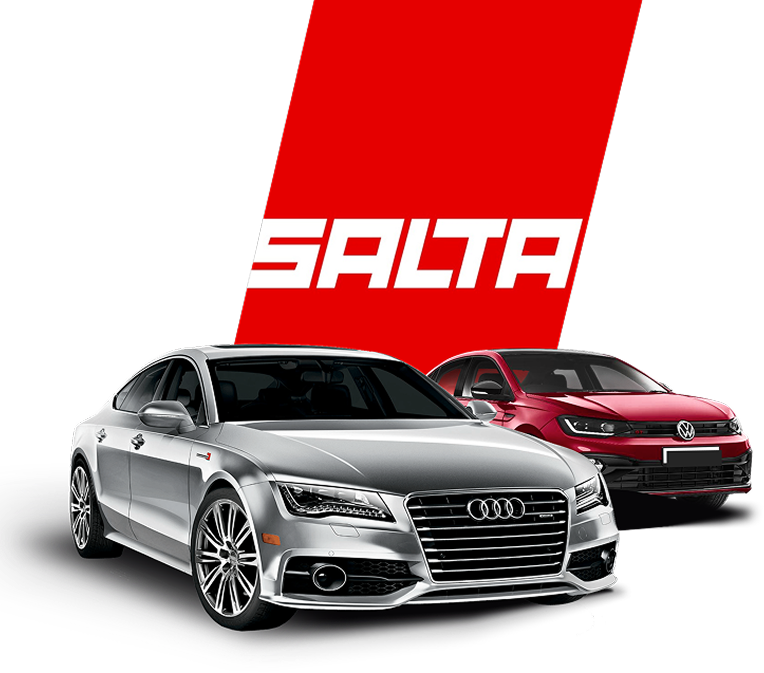
Considering a used Audi or Volkswagen in Denver? Pre-purchase checks are comprehensive inspections performed before you finalize the sale. These cover mechanical systems, rust, service history, and more—crucial for German cars known for sophisticated technology and precision engineering. For Denver buyers, these checks are vital: the area’s elevation, abrasive road salt, and extreme seasonal shifts can unmask hidden problems.
What You’ll Learn:
- Practical pre-purchase steps tailored for Audi and VW in Denver
- Common faults Denver owners face—with preventive tips
- Real-world case study showcasing how checks saved thousands
- Data-driven insights into German car reliability
- FAQs addressing your top questions
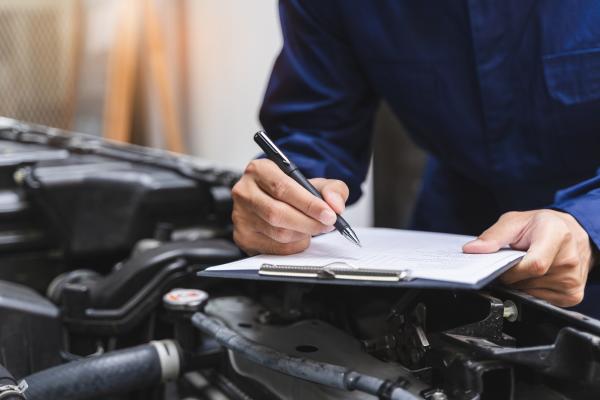
Step-by-Step Guide: The Pre‑Purchase Process
1. Verify Ownership & Maintenance Records
Ask for the vehicle’s comprehensive service history—factory services, recall work, and warranty statements. German cars see optimal performance when serviced on schedule with OEM parts.
2. Conduct a Thorough Inspection
- Engine bay & undercarriage:
Look for oil leaks, coolant stains, uneven tire wear due to wheel alignment issues from Denver’s potholes.
- Brakes & suspension:
Higher altitude may stress braking systems; inspect pads, rotors, shock absorbers.
- Rust check:
Colorado’s road salt can trigger corrosion under wheel arches and on the chassis.
- Electronic systems:
German vehicles have complex sensors and modules—run diagnostics to catch fault codes early.
3. Test Drive on Real Denver Roads
Drive across city streets and highways, and if possible, on hills like I‑70 or US 285 to test acceleration and braking under load. Listen for turbo lag, suspension creaks, or ABS activation.
4. Pressure Test Cooling & Turbo Systems
With Denver’s thinner air and mild summers (average highs of 80–90 °F), turbos can overheat—especially after fast highway driving. A pressure test ensures no boost leaks or weakened hoses.
5. Perform a Detailed Digital Scan
Use OBD-II or advanced VW/Audi diagnostic tools to scan for codes in engine, transmission, ABS, airbag, and infotainment modules.
Why It’s Worth It: Lasting Benefits for Denver Owners
Pre-purchase checks aren’t just a safety net—they’re a smart investment. Whether you’re commuting through Cherry Creek or heading up I-70 for a weekend in the mountains, German vehicles like Audis and Volkswagens demand precision care. Here’s what Denver drivers stand to gain when they inspect before they invest:
| Benefit | Why It Matters in Denver |
| Peace of mind | Prevents surprise breakdowns in high-altitude traffic |
| Cost savings | Avoids expensive turbo, transmission, or electronic repairs |
| Vehicle longevity | Detects rust and wheel alignment issues before they worsen |
| Resale value preservation | Documenting inspections boosts trust for future buyers |
Real‑World Case Study: Denver Buyer, Denver Wisdom
The Situation:
A 2015 Audi Q5 with 75,000 miles and a sparkling exterior caught the attention of a Denver commuter.
Pre‑Purchase Inspection:
- Mechanics found uneven tire wear indicating a bad control arm.
- Boost pressure test revealed a leaking intercooler pipe—common in Denver’s elevation.
- Digital scan showed stored codes in the airbag module due to a prior front bumper hit.
Outcome:
The buyer negotiated a $1,200 deduction covering all repairs and was able to dispatch the car to a certified shop. Post-repair reliability was excellent, with no new issues over 18 months and a clean resale. Pre-purchase checks led to savings over $2,500 in unexpected costs.
Data Speaks: Why These Checks Matter
According to a 2024 report from Autoguard Insights, 68% of extended warranty claims were filed by owners of German luxury vehicles—compared to just 24% for mainstream brands. This highlights a critical truth for Audi and Volkswagen buyers: these vehicles, while engineered for performance, are also more likely to require specialized repairs. The study further revealed:
- 92% approval rate for OEM-backed warranty claims
- Only 75% approval from lower-tier aftermarket plans
- Higher reliability and faster service turnarounds with certified coverage
For buyers in Denver, these numbers matter. Autoguard Insights also found that local repair shops report up to 40% higher repair costs on Audis and VWs compared to domestic models. These higher costs stem from:
- Complex European part designs
- Elevated stress on turbos and cooling systems due to Denver’s altitude
- Increased wear on suspension from rugged terrain and seasonal road treatments
This data underscores the importance of thorough pre-purchase inspections—an essential step toward protecting your budget and driving experience.
Partnered Support from Salta Service & Performance
By focusing on Pre‑Purchase Checks for German Cars in Denver, you equip yourself with the knowledge to uncover hidden faults, negotiate fair prices, and enjoy many miles of dependable driving. Audis and VWs are exceptional machines—but only when properly cared for.
At Salta Service & Performance, we specialize in Denver Audi and Volkswagen inspection services. Our certified technicians offer in-depth pre-purchase evaluations, turbo and coolant system diagnostics, and precise control arm/alignment checks. We guide you through results and explain coverage gaps or future concerns—empowering you to make confident, informed purchase decisions.
Ready for a seamless inspection experience?
Talk to our certified team to start your pre-purchase check—no pressure, just expert guidance to protect your investment and maximize peace of mind.
By taking proactive pre-purchase measures for your Audi or VW and working with Salta Service & Performance, you’ll drive with confidence—knowing your vehicle is reliable, resilient, and ready for every Colorado curve and elevation.
FAQs: Your Top German Car Questions Answered
1. How much does a pre-purchase inspection cost in Denver?
- Expect between $200–$350 depending on complexity—usually worth it for the insights and negotiation leverage you gain.
2. Can older German cars be reliable in Colorado?
- Absolutely—with proper maintenance and pre-purchase checks to address wear areas like suspension, turbo, and chassis.
3. Does Colorado altitude benefit or harm German engines?
- Denver’s altitude reduces air density—modest impact on performance—but strain on turbochargers makes inspections vital.
4. Should I ask for OEM or aftermarket parts in used German cars?
- OEM parts are recommended. They’re designed for longevity and work best with German engineering. Certified shops like ours prioritize them for warranty and performance reasons.
5. How often should I repeat checks if I buy a used Audi/VW?
- Schedule a full inspection every 12–15k miles, or if driving in harsh winter, mountain, or dirt-road conditions—common in Colorado.