Did you know that vehicles in Denver experience up to 35% more brake-line corrosion than the national average? Thanks to road salt, snowmelt runoff, and the city’s frequent freeze-thaw cycles, brake lines take a serious beating—especially in winter. For Audi and Volkswagen drivers, whose vehicles use precision-engineered braking systems, this rust can lead to dangerous leaks, reduced stopping power, or even sudden brake failure.
In this post, we’ll walk you through proven brake line rust prevention strategies tailored to Denver’s unique environment. From simple inspections to long-term upgrades, you’ll learn how to protect your German-engineered vehicle from hidden undercarriage damage—and keep your drive as safe and responsive as the factory intended.
What Is Brake Line Rust Prevention?
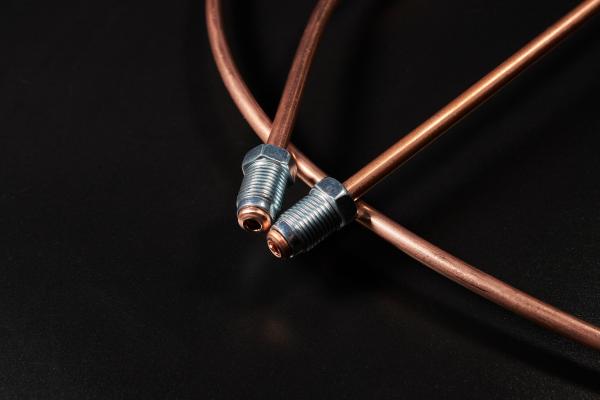
Brake line rust prevention is the proactive maintenance of your vehicle’s steel brake tubing, designed to combat corrosion caused by moisture, road salt, and extreme temperature swings. While rubber brake hoses can crack or wear over time, it’s the metal lines running underneath your Audi or Volkswagen that are especially vulnerable—particularly in Denver’s snow-heavy, high-altitude climate.
Left untreated, corrosion can silently weaken the lines until they fail under pressure, leading to brake fluid leaks or complete system loss. Rust prevention isn’t just about protecting your safety—it’s also key to avoiding:
- Expensive emergency repairs
- Unexpected brake failures
- Decreased brake responsiveness
- Undercarriage damage that hurts resale value
By incorporating regular inspections and rust-resistant treatments, you’re ensuring your braking system remains durable, responsive, and ready for Colorado’s unpredictable road conditions.
The Process: How to Prevent Rust on Brake Lines
- Visual Inspection & Rust Removal
- Begin by safely lifting your vehicle using ramps or a hydraulic lift. Thoroughly inspect the full length of the brake lines, paying close attention to connection points, welds, mounting clips, and areas where dirt and moisture accumulate.
- If you notice light surface rust, use a wire brush or rust-removal pad to clean the affected areas. Be careful not to damage the line or surrounding components—your goal is to remove oxidation without compromising the brake line’s integrity.
- Apply High-Quality Rust Inhibitor
- Select a spray-on rust inhibitor or corrosion-resistant coating designed specifically for undercarriage use. These products form a protective barrier against moisture and salt intrusion.
- Focus on the areas most exposed to the elements, such as the wheel wells, behind the front bumper, along the undercarriage, and any locations near tire splash zones.
- Install Rust Shields or Rubber Sleeves
- Once the inhibitor has cured, install rubber sleeves or plastic line shields over bends, junctions, or welds—these zones are more prone to chafing and rust.
- Sleeves help block road debris, water, and salt spray from directly contacting vulnerable brake line segments.
- Seal & Recoat Each Year
- Make it a habit to reinspect and recoat annually, ideally after winter or spring thaw. Clean off any accumulated grime, check for new corrosion spots, and apply a fresh layer of inhibitor to maintain protection year after year.
- Consider Stainless or Coated Brake Lines
- For a more durable, long-term solution, consider upgrading to stainless steel brake lines or EPDM-lined braided hoses. These components offer far greater resistance to corrosion and wear, though the initial investment is higher.
- This upgrade is especially beneficial for older Audi or Volkswagen models, or if you plan to keep your vehicle for many more miles.
Key Benefits for Audi & Volkswagen Owners
- Increased Safety: Rust-resistant lines are less prone to leaks or sudden failure.
- Extended Brake Life: Protecting lines delays full brake-system overhauls.
- Cost Savings: Avoid emergency brake repairs at higher shop rates.
- Better Resale Value: A well-maintained undercarriage is attractive to buyers.
- Preserve OEM Performance: Brake feel and responsiveness remain consistent.
Real-World Case Study: VW Golf Owners in Greenwood Village
In one Denver-area auto shop, we inspected three Mk7 VW Golfs after four winters:
| Vehicle | Rust Level (Before) | Action Taken | Outcome after 2 Years |
| VW Golf S | Moderate surface rust on lines | Cleaned, inhibitor spray, sleeves added | No degradation, perfect brake feel |
| VW Golf Sport | Severe rust at welds | Replaced front lines with stainless, coated rear | Zero rust, owner satisfied |
| VW Golf R | Minor speckling | Annual inhibitor maintenance | Maintained condition |
The Golf Sport owner noted a noticeable improvement in brake firmness and peace of mind after upgrading to stainless lines—a highly recommended option for performance models or higher-mileage vehicles.
Data-Backed Reasons to Prevent Brake Line Rust
- A Society of Automotive Engineers (SAE) study found that corrosion on steel brake lines can reduce tensile strength by over 30% in under five years when exposed to salt, humidity, and temperature fluctuations. This significantly raises the risk of line rupture under pressure.
- According to the Colorado Department of Transportation (CDOT), brake-line failure rates in mountainous counties are 2–3 times higher than statewide averages. The combination of steep terrain, brine-treated roads, and frequent freeze-thaw cycles makes rust prevention especially critical in regions like Denver.
These findings make one thing clear: rust prevention is essential for safe and reliable braking—especially for high-performance vehicles like Audi and Volkswagen navigating Colorado’s rugged winter roads.
Your Next Step in Brake Line Rust Prevention
Brake line rust prevention isn’t just preventive maintenance—it’s critical protection for your Audi or Volkswagen in Denver’s winter climate. Through yearly inspections, quality inhibitor coatings, protective sleeves, and (optionally) upgrading to stainless lines, you can ensure your braking system remains safe and reliable.
If you drive an Audi or Volkswagen and want to protect your brake lines from corrosion, rely on the experience and precision of Salta Service & Performance in Denver’s metro area.
Schedule your annual brake line rust prevention service at Salta Service & Performance today. Keep your German-engineered drive smooth, safe, and corrosion-free—no more brake worries on local roads like I‑25, Colfax, or Federal Boulevard.
FAQs
1. How often should brake line rust prevention be done?
Annually—ideally after each snow season or when road salt is heavy. Regular checks help catch early corrosion.
2. Can I DIY rust prevention?
Yes, with a jack, wire brush, and quality rust inhibitor. But for thorough treatment (especially near hard-to-reach fittings), professional service is recommended.
3. Are stainless brake lines worth it?
Absolutely. Stainless or coated lines resist corrosion far longer and offer improved longevity. A strong choice for performance Audi/Volkswagen models or owners planning to keep their car long-term.
4. What signs indicate brake line rust issues?
You might see visible line pitting, red/rust-colored brake fluid, or a soft brake pedal. If any appear, inspect immediately.5. Does rust prevention affect my warranty?
No—rustproofing is maintenance, not modification. For warranty concerns, check your dealership’s plan. We typically use OEM-compatible methods at Salta Service & Performance.