
Did you know that Denver’s fluctuating temperatures and rugged roads can significantly affect the suspension system of your German car? Suspension issues are one of the most overlooked yet critical components of vehicle safety and comfort—especially in high-performance vehicles like Audi and Volkswagen.
In this comprehensive guide, we’ll cover everything you need to know about suspension repair for German cars in Denver, from understanding how these systems work to recognizing the signs of trouble. You’ll also discover the benefits of timely repairs, see a real-world example from our service center, and get answers to the most frequently asked questions.
What Is a Suspension System and Why Does It Matter?
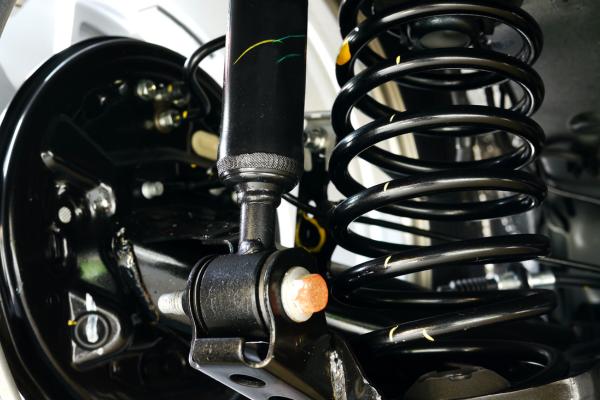
The suspension system in your car connects the wheels to the chassis and is responsible for absorbing shocks from the road, maintaining proper tire contact, and providing stable handling. For German vehicles, the suspension system is typically more advanced—designed to deliver superior handling and ride quality. This means that even minor issues can significantly affect your driving experience.
In a city like Denver, where potholes, winter road salt, and mountainous terrain are common, your suspension takes a lot of abuse. That’s why it’s essential to understand how it works and when it might need attention.
Suspension Repair Process for German Cars
Suspension repair is a detailed, multi-step process, especially for precision-engineered German vehicles. Here’s how professional technicians approach it:
- Initial Road Test & Symptom Review:
- Before even lifting the vehicle, a technician will drive it to evaluate symptoms like pulling, uneven tire wear, or clunking noises. This helps narrow down potential issues.
- Before even lifting the vehicle, a technician will drive it to evaluate symptoms like pulling, uneven tire wear, or clunking noises. This helps narrow down potential issues.
- Visual & Mechanical Inspection:
- Once in the shop, the vehicle is placed on a lift, and the suspension system is visually inspected. Technicians check for wear on components such as struts, shocks, control arms, sway bars, and bushings.
- Once in the shop, the vehicle is placed on a lift, and the suspension system is visually inspected. Technicians check for wear on components such as struts, shocks, control arms, sway bars, and bushings.
- Diagnostic Tools & Alignment Check:
- German vehicles often require specialized diagnostic tools to interface with the electronic suspension systems (e.g., air suspension or adaptive dampers). Technicians also measure alignment angles to detect misalignments caused by worn components.
- German vehicles often require specialized diagnostic tools to interface with the electronic suspension systems (e.g., air suspension or adaptive dampers). Technicians also measure alignment angles to detect misalignments caused by worn components.
- Component Replacement or Repair:
- Based on the findings, specific parts—such as worn shocks or damaged control arms—are repaired or replaced. In German cars, this might also involve recalibrating electronic systems.
- Based on the findings, specific parts—such as worn shocks or damaged control arms—are repaired or replaced. In German cars, this might also involve recalibrating electronic systems.
- Final Test Drive & Adjustment:
- After repairs, another road test ensures the vehicle handles correctly and that any electronic adjustments were successful.
Key Benefits of Timely Suspension Repairs
- Improved Ride Comfort:
- A well-maintained suspension absorbs bumps and vibrations, providing a smoother, quieter ride—a hallmark of German engineering.
- A well-maintained suspension absorbs bumps and vibrations, providing a smoother, quieter ride—a hallmark of German engineering.
- Enhanced Safety and Control:
- The suspension affects braking and handling. Worn parts can lead to longer stopping distances and reduced steering responsiveness, especially on Denver’s icy or hilly roads.
- The suspension affects braking and handling. Worn parts can lead to longer stopping distances and reduced steering responsiveness, especially on Denver’s icy or hilly roads.
- Even Tire Wear and Longer Tire Life:
- Faulty suspension components can lead to uneven tire wear, costing you more in replacements. Timely repairs help maintain even tire contact with the road.
- Faulty suspension components can lead to uneven tire wear, costing you more in replacements. Timely repairs help maintain even tire contact with the road.
- Protection for Other Vehicle Systems:
- Ignoring suspension issues can lead to strain on other systems, such as the drivetrain or brakes. Addressing them early protects your investment.
- Ignoring suspension issues can lead to strain on other systems, such as the drivetrain or brakes. Addressing them early protects your investment.
- Maintaining Vehicle Value:
- If you plan to resell or trade-in your car, a well-maintained suspension system helps retain its value. It also shows that the vehicle was cared for properly.
Real-World Case Study: Audi A6 Suspension Repair in Denver
A Denver customer recently brought in a 2018 Audi A6 complaining about a rough ride and unusual clunking when turning. After a road test and inspection, we discovered that the front control arm bushings were cracked, and one of the shock absorbers was leaking.
Given the car’s electronic damping system, we used specialized tools to remove and replace the failed components and then recalibrated the system. After a successful test drive, the owner reported a dramatically improved ride quality and steering response. The client avoided more serious issues by addressing the problem early—saving money and ensuring a safer drive through Denver’s challenging roads.
Supporting Data on Suspension Wear and Repair
- A 2022 report by the Car Care Council found that nearly 25% of vehicles on the road have worn suspension components that go unaddressed.
- Colorado DOT data highlights that rough road conditions and winter weather lead to accelerated wear on suspension systems, especially in urban areas like Denver.
- Luxury and performance vehicles like German cars tend to have tighter tolerances, making them more sensitive to small suspension issues compared to domestic brands.
Precision suspension repair with Salta Service & Performance!
Maintaining the suspension system in your German vehicle is essential for ensuring performance, comfort, and safety—especially in a city like Denver, where road conditions can be unpredictable. Timely inspections and expert repairs help prevent minor issues from escalating into major problems.
At Salta Service & Performance, we specialize in the unique suspension systems of German cars. Whether it’s an Audi or Volkswagen, our ASE-certified technicians have the tools, training, and experience to keep your ride smooth and secure.
If your German car isn’t riding as smoothly as it should, schedule a suspension inspection with Salta Service & Performance in Denver, CO. We’re here to restore your vehicle’s comfort and handling with precision care. Book your appointment today!
Frequently Asked Questions (FAQs)
1. How do I know if my German car’s suspension needs repair?
Look for signs like a bumpy ride, uneven tire wear, clunking noises, or the car pulling to one side. If you notice any of these, it’s time for a professional inspection.
2. Is suspension repair more expensive for German cars?
Generally, yes—German cars often use advanced materials and components. They may also require specialized tools and calibration, which can increase labor costs. However, the performance payoff is worth it.
3. How often should the suspension be inspected in Denver?
It’s wise to have your suspension checked at least once a year or every 12,000 miles. In Denver, where the roads can be harsher, consider a check with every seasonal maintenance.
4. Can I drive with a damaged suspension?
While your car may still move, driving with a compromised suspension can be dangerous. It affects handling and braking and could lead to more severe damage over time.
5. What’s the difference between shocks and struts?
Both absorb impact, but struts are structural components that integrate with the steering system. Shocks are separate and support the suspension. German cars often use a combination depending on the model.