
Driving in Denver—whether you’re cruising Colfax Avenue, navigating snowy passes in the Rockies, or tackling I-25 during rush hour—requires your car to perform at its best. A frequently overlooked part of that performance? Wheel alignment. Proper wheel alignment keeps your car tracking straight, your tires wearing evenly, and your fuel bills in check.
Let’s break down what wheel alignment is, why it matters in Denver, what the benefits look like in real terms, and how you can stay ahead of common alignment issues.
What Is Wheel Alignment?
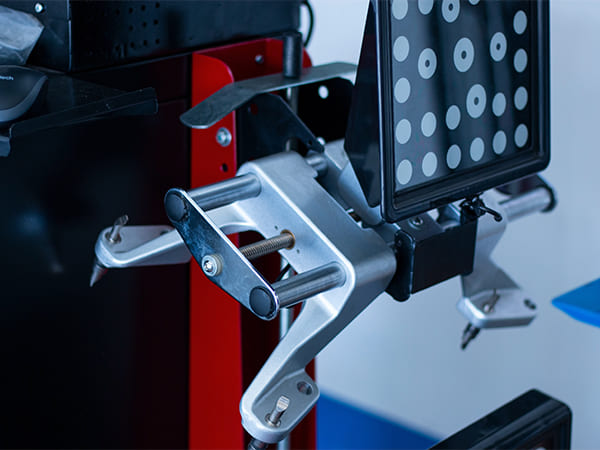
“Wheel alignment” refers to adjusting the angles of your car’s wheels so they meet manufacturer specifications. The main angles adjusted are camber, toe, and caster.
- Camber: The tilt of the wheel when viewed from the front — inward or outward tilt affects how the tire contacts the road.
- Toe: How much the wheels point inward or outward when viewed from above — this influences how straight the car tracks down the road.
- Caster: The angle of the steering axis as viewed from the side — affects steering stability and return.
When your wheels are correctly aligned: tires make proper contact with the road, the car tracks straight, steering feels stable, and tires wear evenly. If alignment is off — from hitting potholes, curbs, rough mountain roads, or just gradual suspension wear — you may experience uneven tire wear, poor handling, and reduced efficiency.
Given Denver’s mix of city driving, highway commuting, and mountainous terrain — often with variable road conditions — proper wheel alignment is especially important for consistent performance and safety.
Why Alignment Matters in Denver
Denver’s mix of urban congestion, unpredictable winter weather, and mountainous terrain accelerates wear and misalignment. Common alignment disruptors here include:
- Potholes on Colfax or Federal Blvd
- Rough terrain on canyon drives
- Winter curb hits or snowpack ruts
Even mild misalignment in this environment can compromise fuel efficiency, handling, and vehicle safety.
Key Benefits of Proper Wheel Alignment for Denver Drivers
1. Better Fuel Efficiency — Save Money at the Pump
When wheels are misaligned, tires don’t roll smoothly; they “drag” or scrub against the road, increasing rolling resistance. That forces your engine to work harder and burn more fuel.
According to multiple experts, poor alignment can reduce fuel efficiency by up to 7–10%.
On Denver’s highways or mountain drives — where fuel consumption matters — proper alignment can translate into real savings over time.
2. Longer Tire Life — Avoid Premature Replacements
Misaligned wheels cause uneven tire wear (e.g., one side of the tire wearing faster than the other, or uneven tread patterns).
That leads to shorter tire life, meaning you’ll buy new tires more often — a costly expense (especially for quality all‑season or winter tires common in Colorado). With proper alignment, tires wear evenly and last longer.
3. Improved Handling, Control & Steering Stability
Proper alignment ensures that your vehicle tracks straight, responds predictably to steering, and handles corners and curves as designed.
This becomes especially important on winding mountain roads, during highway merges, or in wet/snowy conditions — all common for Denver drivers.
4. Safer Driving & Reduced Risk of Accidents
Misaligned wheels can cause drifting or pulling to one side, uneven braking, compromised traction, and unpredictable handling.
With proper alignment, your vehicle is more stable, easier to control, and safer — a critical benefit when reacting to sudden hazards, bad weather, or sharp curves.
5. Smoother Ride & Better Driving Comfort
Alignment affects how smoothly tires roll and how evenly forces are distributed across suspension. With correct alignment, you get fewer vibrations, smoother driving, and less steering effort — contributing to a more comfortable ride, especially on long drives.
6. Lower Maintenance Costs — Less Wear on Suspension & Steering Components
Misalignment doesn’t just wear tires. Over time, it stresses suspension, steering linkages, wheel bearings, and related components — potentially leading to costly repairs.
Regular alignment checks can prevent this wear, saving money in the long run.
Real-World Example: Dan’s Denver Commute
Dan drives from Highlands Ranch to downtown and skis on weekends. He noticed:
- Steering pull on I-25
- Uneven wear on front tires
- MPG drop from 28 to 25
After a professional alignment, Dan regained 3 MPG, fixed tire wear patterns, and felt more confident steering down Loveland Pass.
What the Data Says
- A study presented in 2025 showed that for a light‑duty vehicle, proper wheel alignment improved fuel efficiency, reduced tire wear, and extended suspension component life — especially under varied road conditions.
- According to trusted automotive centers, misaligned wheels can reduce fuel economy by up to 10%.
- Further, regular alignment “can cut tire replacement frequency in half,” saving owners thousands of dollars over a vehicle’s lifespan.
These findings hold especially true in mixed driving environments like Denver, where long highway commutes, frequent altitude changes, and urban-to-mountain travel are common.
When Should You Check Alignment?
Get your alignment inspected:
- Every 10,000–15,000 miles
- After hitting a pothole or curb
- When installing new tires
- If your car pulls, vibrates, or steering feels off
Keep Your Car Straight in the Mile-High City
Proper wheel alignment isn’t just routine maintenance — it’s a smart choice for safety, comfort, and long-term savings. Especially for Denver drivers who deal with diverse roads, elevation changes, and varying weather, wheel alignment helps ensure stable handling, even tire wear, better gas mileage, and lower overall maintenance costs.
Make wheel alignment part of your regular vehicle care — it pays off.
Ready to optimize your ride for Denver roads? Schedule a wheel alignment with Salta Automotive and enjoy improved safety, smoother handling, fuel savings, and longer‑lasting tires. Explore our related car‑care articles to stay on top of maintenance and protect your vehicle for the long haul.
FAQs About Wheel Alignment in Denver
What is wheel alignment?
It’s the precise adjustment of wheel angles (camber, caster, toe) to factory specs, ensuring stable steering and even tire wear.
How often do I need alignment in Colorado?
Every 10,000–15,000 miles or after harsh road impacts. More frequently if you drive rough or mountain roads.
Can poor alignment reduce gas mileage?
Yes. Misalignment increases tire drag, which can lower fuel economy by up to 10%.
Will it help on snowy or wet roads?
Definitely. Proper alignment improves traction and control—key on Denver’s icy roads.
What are signs I need alignment?
Your car pulls, the steering wheel is off-center, tires wear unevenly, or it vibrates at higher speeds.