
When your Volkswagen starts to hesitate, idle roughly, or sip more gas than usual, the issue could be as simple as worn spark plugs. These small but essential components play a big role in your engine’s combustion process, and over time, they wear down—especially in places like Denver, CO, where high elevation and dramatic seasonal swings put extra stress on your ignition system.
Denver’s thin air can affect engine timing and spark efficiency, meaning your VW might need spark plug replacements more frequently than the national average. Whether you’re commuting from Highlands Ranch to downtown or heading up I-70 for a weekend in the mountains, reliable spark ignition is crucial to getting the most out of your Volkswagen.
In this guide, we’ll explore exactly when and why to replace your VW’s spark plugs, what the process involves, how it helps your engine, and why Denver drivers should be especially proactive. Plus, we’ll share real-world examples and data to help you make the most informed decision.
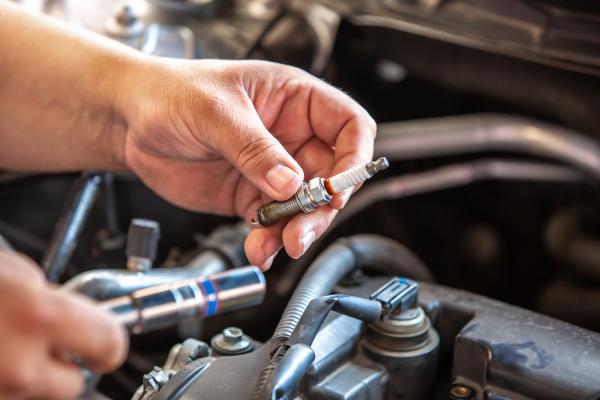
What Does Spark Plug Replacement Mean for Volkswagen Owners?
Spark plug replacement involves removing old, fouled spark plugs and installing new ones to ensure reliable ignition and optimal combustion. For Volkswagen models—whether it’s a Jetta, GTI, Tiguan, or Q5—new spark plugs support smoother idling, better fuel efficiency, and peak engine performance.
In Denver’s unique driving environment—high elevation, daily temperature swings, and stop-and-go traffic—spark plugs endure additional stress. Atmospheric pressure at 5,280 feet affects ignition patterns, and chilly mornings can demand more from old or worn plugs.
Why Spark Plug Maintenance Is Essential for VWs in Denver
- Consistent Ignition: Clean, properly gapped plugs deliver the spark needed for efficient combustion—especially important in Denver’s thinner air.
- Improved Fuel Economy: Worn plugs contribute to misfires and extra fuel use; replacing them can restore up to 1–2 mpg.
- Smoother Performance: You’ll feel immediate improvements—quieter idle, stronger throttle response, and better cold starts—even on frosty Denver mornings.
- Avoid Costly Damage: Neglected plugs can lead to misfires, catalytic converter damage, or rough idling—all avoidable through timely replacement.
How Spark Plug Replacement Works on Your Volkswagen
What to Expect During the Service
Replacing spark plugs on your VW isn’t just a swap-and-go process—especially at high altitudes like Denver. Here’s how professionals ensure it’s done right:
- Initial Diagnostic Inspection
A technician inspects spark plug condition, engine codes, and cylinder spark consistency using VW-specific diagnostic tools. This helps catch early misfires or electrical inconsistencies. - Choosing the Right Spark Plugs
VW models often require iridium or OEM-specific plugs. For turbocharged EA888 engines in models like the GTI or Tiguan, correct heat range and gap are critical. - Careful Plug Removal and Wear Check
Each spark plug is removed, checked for electrode wear or gap erosion, and compared across cylinders to identify patterns related to Denver’s stop-and-go driving or cold weather. - Installing New, Precisely Gapped Plugs
New plugs are installed with the proper torque settings and verified for correct gap—ensuring strong ignition under thin-air conditions. - Final Road Test and Code Scan
After installation, the vehicle is test-driven and rescanned to confirm idle smoothness, throttle response, and no misfire or fault codes remain.
Local Insight: Why Denver Elevation Matters for Spark Plugs
- High Altitude Ignition Factor: Thinner air delays ignition slightly—fresh spark plugs help combat that, ensuring the air–fuel mix ignites cleanly.
- Thermal Cycling Stress: Denver daily temps can shift between freezing mornings and sun-warmed afternoons. This cycling stresses plugs, accelerating electrode wear.
- Traffic & Altitude Combo: Extended idling in stop-and-go traffic (e.g., on I-25) plus thin air adds strain to ignition systems.
Real-World Case Study: VW Tiguan Spark Plug Refresh
Scenario: Mike, who commutes from Aurora to downtown Denver, found his 2017 VW Tiguan lagged off the line, idled roughly after cold starts, and averaged just 22 mpg—below its EPA-rated 25 mpg.
Solution: At Salta Automotive, we ran diagnostics and discovered cylinder 3 misfires due to gap erosion on his spark plug. We replaced all four with VW-recommended iridium plugs and rechecked the gap.
Result (after 50 miles):
- MPG improved to 24.
- Cold starts became smooth and responsive.
- No misfire codes on follow-up scan.
- Overall engine sound felt sharper and cleaner.
What the Data Shows About Spark Plug Replacement
- EPA Insight: Proper spark plug maintenance can restore up to 2% of lost fuel efficiency due to misfires or poor combustion.
- Manufacturer Guidance: Volkswagen technical documentation recommends spark plug replacement every 40,000–60,000 miles depending on model and driving conditions—this is particularly true for turbocharged EA888 engines often in GTI and Tiguan models.
- Customer Feedback (Denver): Many local Volkswagen owners report smoother engine performance and more consistent highway mileage post-replacement—especially noticeable during winter and altitude-challenged commutes.
Pro Tips for VW Drivers in Denver
- Stick with OEM or NGK iridium plugs for long life and reliable performance.
- Let your engine warm for 30 seconds—then shut it off to avoid cold start stress during spark plug replacement.
- Replace plugs every 40,000 miles or sooner if you experience misfires or rough idle.
- Always check plug gaps before installation to maintain proper engine timing, especially at high altitude.
Common VW Spark Plug Questions from Denver Drivers
1. “How often should I change spark plugs in my VW in Denver?”
Every 40,000–60,000 miles, or sooner if you notice rough idle, poor starting, or reduced fuel economy in Denver’s altitude.
2. “What type of spark plugs do VWs use?”
Use VW-recommended iridium or OEM replacement plugs, selected for your engine model, such as those used in EA888-equipped models.
3. “Can spark plug issues cause my Volkswagen to misfire at high elevation?”
Absolutely—thin air can magnify misfires caused by worn plugs, especially during cold starts or steep acceleration.
4. “How much does spark plug replacement boost mpg in Denver?”
Expect around a 1–2 mpg improvement—more noticeable during long, stop-and-go commutes or elevation-driven highway stretches.
5. “Will new spark plugs help my VW pass emissions testing in Denver?”
Yes. With better combustion from fresh plugs, misfires and unburned fuel drop—helping emissions scores stay lower and cleaner.
Should You Replace Spark Plugs on Your Volkswagen in Denver?
Spark plug replacement isn’t just routine maintenance—it’s a strategic service that delivers real performance and efficiency improvements, especially under Denver’s high-altitude and variable climate conditions. From smoother cold starts and better MPG to avoiding misfires and rough idling, it preserves your VW’s health and driving enjoyment.
If your VW shows sluggish cold starts, reduced fuel economy, or a rough-running idle—especially during Denver’s chillier mornings—it’s a sign that fresh spark plugs could revive performance. This service delivers smoother ignition, efficiency gains, and a more confident drive in Mile High City conditions.Ready to keep your Volkswagen sparking with precision and performance? Explore related posts like “Fuel System Cleaning vs. Spark Plug Maintenance for VW” or “Winter Tune-Ups for VWs in Denver.” When you’re set for reliable, altitude-aware service, visit Salta Automotive—your trusted local partner for VW care.