When that little VW check engine light (CEL) pops on your dashboard, it can stir up anxiety—and for good reason. For many Denver drivers, the check engine light is more than just an annoyance; it’s a signal that something important could be happening under the hood. Whether you’re cruising down I-25, climbing up I-70 into the Rockies, or simply commuting through Denver’s city streets, this warning can affect your confidence on the road. Here’s a down-to-earth, expert-backed breakdown from Denver’s local pros to help you understand why your VW check engine light is on, what it means, and what to do next.
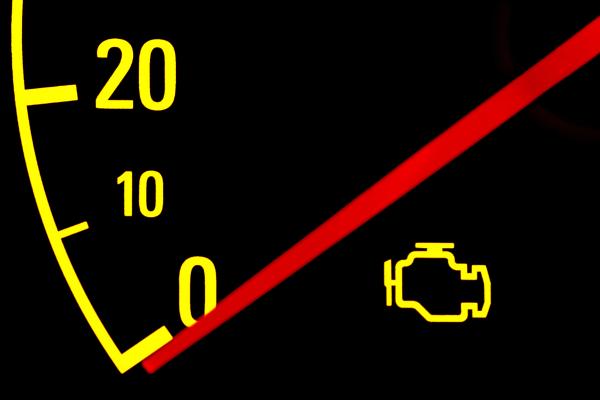
What Does the VW Check Engine Light Mean?
At its core, the VW check engine light is your car’s way of saying, “something’s off.” It’s driven by the On‑Board Diagnostics system (OBD‑II), which constantly monitors engine components, emissions, and systems critical to performance and safety—even at Denver’s elevation.
What does VW CEL mean? It indicates the vehicle detected a fault affecting engine, emissions, or powertrain.
How the VW Diagnostic System Works
- Sensors report data—like oxygen levels, airflow, and misfires.
- ECU (engine control unit) spots a fault or mismatch.
- The VW check engine light turns on, and a code is stored.
- A mechanic reads that code to diagnose the issue.
In Denver’s thin air and changing temps, sensors can act up more often—especially things like the MAF (mass air flow) sensor or oxygen sensor.
Common Reasons Your VW Check Engine Light Is On
1. Loose Or Faulty Gas Cap
Denver’s dry weather can shrink plastic parts—if your gas cap isn’t tight, pressure leaks and triggers the CEL. It’s a simple fix but surprisingly common.
2. Faulty Oxygen (O₂) Sensor
Oxygen sensors monitor exhaust emissions. If yours fail—especially after Denver’s rough roads or altitude changes—you may see decreased mpg and higher emissions.
3. Failing Catalytic Converter
A clogged, damaged, or overheating catalytic converter can’t filter emissions properly. One Denver VW driver noticed rough performance climbing I‑70’s grades.
4. Bad Spark Plugs or Ignition Coils
Misses or weak spark? The engine won’t run smoothly, and you’ll see the CEL. Denver drivers with older VWs often need these replaced around 60K‑100K miles.
5. Faulty Mass Air Flow (MAF) Sensor
Detecting how much air enters the engine, the MAF sensor can get dirty on dusty Colorado roads. Clean or replace it to help restore smooth performance.
6. Emissions Control Problems
Components like the EGR valve (exhaust gas recirculation) may stick or fail—Denver’s occasional high elevation can worsen these issues.
Step-by-Step: What to Do if Your VW Check Engine Light Comes On
- Check the gas cap: Make sure it’s tightened until it clicks. This simple fix can turn off the light after a few drives.
- Note the light’s behavior:
- Steady light = less urgent, but still needs attention soon.
- Flashing light = misfire risk—pull over safely and avoid highway driving.
- Reduce heavy driving: If climbing I‑70 or navigating Denver’s stop‑and‑go traffic, drive gently until diagnosed.
- Check basic performance: Rough idle, poor mpg, or sluggish acceleration may point to specific faults.
- Use a code reader if available: Many Denver drivers keep a small OBD‑II scanner to identify codes before heading to a shop.
- Schedule diagnostics: Even if the car seems fine, unresolved CELs can lead to failed emissions tests in Denver County.
Why You Should Never Ignore a VW Check Engine Light
- Avoid costly repairs: A simple gas cap fix now beats a failed catalytic converter later.
- Maintain power & fuel economy: A clean MAF or new O₂ sensor can restore performance.
- Pass emissions testing: Required for many Denver-area counties—an unresolved CEL can cause failure.
- Prevent damage: Driving with misfires or sensor issues can harm engine or exhaust components.
Real VW Case Study: Check Engine Light in Golden, CO
Situation: Maria from Golden saw her CEL glow while climbing Lookout Mountain. Her Jetta felt sluggish.
Diagnosis: A local technician scanned the code—P0101 (MAF sensor out of range). The sensor was clogged with dust from rural roads.
Solution: The MAF was cleaned and reset. The light went off after one drive. Maria’s fuel economy improved from ~28 mpg to ~32 mpg, and the car felt snappier up steep Denver grades.
Lesson: In our dry, dusty Colorado conditions, something as simple as a dirty MAF sensor can trigger the CEL—yet be easily solved.
Denver-Specific VW Check Engine Issues
- Altitude effects: At Denver’s ~5,280 ft elevation, oxygen availability decreases—causing engine sensors to adapt more frequently—and possibly fail.
- Local road dust: Denver and nearby rural roads generate dust that can cause MAF, intake, and air filter issues.
- Emission checks: In Denver Metro and surrounding counties, emission testing is often mandatory, and an active CEL leads to instant failure.
Cost & Repair Breakdown for VW Check Engine Light Issues in Denver
Here are the most common CEL-related repairs for VWs and what Denver drivers can expect to pay:
| Issue | Typical Cost (Parts + Labor) | Notes |
| Gas cap replacement | $20 – $40 | Quick, simple fix |
| Oxygen sensor replacement | $200 – $350 | Common after 80K+ miles |
| Catalytic converter replacement | $1,000 – $2,500 | Expensive, avoidable if fixed early |
| Ignition coil + spark plugs | $150 – $400 | Often bundled together |
| Mass Air Flow sensor cleaning | $100 – $150 | Cleaning cheaper than replacement |
| Mass Air Flow sensor replacement | $300 – $450 | Necessary if cleaning fails |
| EGR valve repair/replacement | $250 – $500 | Emissions-related, more common at high altitude |
These costs vary based on parts availability and labor rates in the Denver metro area. Independent shops often charge less than dealerships while offering specialized VW expertise.
FAQs & Voice Search Answers for VW Check Engine Light in Denver
1. How much does it cost to fix a VW check engine light in Denver?
Typically $50–$200 to diagnose plus $100–$500 parts & labor, depending on the issue.
2. How soon should I take my VW in when the CEL comes on?
If flashing, drive in immediately; if steady, you can wait a day or two—but don’t ignore it.
3. What do Denver mechanics charge to read a VW CEL code?
Most local shops charge $50–$100 for a diagnostic scan (some smaller shops may offer complimentary scans).
4. Will my VW pass emissions in Denver with a CEL?
No—any active check engine light automatically fails emissions testing in Denver-area counties.
5. Can Denver’s altitude cause the VW CEL?
Not directly—but it can worsen sensor readings, making existing issues show up sooner.
6. What are common VW codes seen in Denver?
Codes like P0420/P0430 (catalytic converter), P0171/P0174 (lean fuel), and P0101 (MAF) are frequent here due to dust, altitude, and emission demands.
7. My VW feels fine, but the CEL is on. Should I worry?
Yes. Issues like misfires or emissions faults may not affect performance immediately but can cause major damage later.
Understanding the VW Check Engine Light in Denver
When your VW check engine light is on in Denver, it’s not just a warning—it’s a call to action. From simple fixes like tightening the gas cap to more involved repairs like replacing a MAF or oxygen sensor, Denver’s altitude, dry climate, and testing rules make timely diagnosis essential.
By understanding what’s behind the light, acting promptly, and relying on local expertise, you can avoid unnecessary repairs, keep your VW running strong up the Rockies, and breeze through air checks.
Ready to dig deeper or tackle other common VW maintenance topics? Check out related posts on brake checks at elevation, air filter care for dusty roads, and preparing your VW for Colorado winters.For expert help diagnosing your check engine light or other VW-specific service in Denver, Salta Automotive is here to guide you—clearly, confidently, and locally.