If you drive a car, you’ve likely seen a variety of warning lights flash on your dashboard. While many drivers may feel anxious when these lights appear, understanding what each warning light signifies is crucial for keeping your vehicle in good working order.
In the Mile‑High City, sudden snow, thin atmosphere, and rugged terrain often challenge a car’s engine, so paying close attention to the warning lights is more than just a good habit. Those little lights on your dash shout out trouble and hand over useful info, helping you sidestep big repair bills and stay safe on the road.
In this blog post, we’ll dive into the meaning behind common vehicle warning lights, what actions you should take when they appear, and how they relate to driving conditions in Denver, CO.
What Are Vehicle Warning Lights?
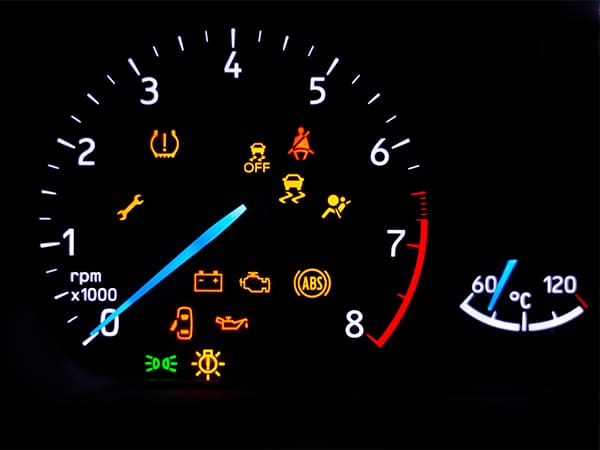
Vehicle warning lights are part of the onboard diagnostic (OBD) system designed to alert you to issues within your car’s key systems. These lights are often divided into two categories:
- Warning lights: Indicate that something needs attention but may not require immediate action.
- Indicator lights: Provide information about system status or performance.
The lights can appear in various colors, such as red, yellow, or green, and each color signals the severity or urgency of the issue. Understanding these lights can help you decide whether to continue driving or if immediate attention is needed.
Common Vehicle Warning Lights and Their Meaning
Red Warning Lights: Immediate Action Required
Red lights indicate serious issues that need immediate attention to avoid damage or safety risks.
- Check Engine Light (CEL)
What it means: Signals engine problems, from minor issues like a loose gas cap to major ones like a malfunctioning oxygen sensor.
What to do: Get your vehicle diagnosed by a mechanic as soon as possible.
- Oil Pressure Warning
What it means: Low oil pressure, which can cause severe engine damage.
What to do: Pull over, turn off the engine, check the oil, and top it up. If the light stays on, schedule a repair.
- Battery Warning Light
What it means: A charging system issue, like a failing alternator or weak battery.
What to do: Check battery terminals for corrosion; if the problem persists, visit a mechanic.
- Brake Warning Light
What it means: Issues with the braking system, such as low fluid or worn pads.
What to do: Stop immediately and have your brakes inspected.
Yellow or Orange Warning Lights: Non-Urgent but Important
Yellow lights signal issues that need attention but aren’t as urgent.
- Tire Pressure Warning Light
What it means: Low tire pressure, which affects handling and fuel efficiency.
What to do: Check and inflate your tires. Look for punctures if the light stays on.
- Engine Temperature Warning
What it means: Engine overheating, possibly due to low coolant or a broken radiator.
What to do: Turn off the engine, let it cool, and check the coolant level.
- ABS (Anti-lock Braking System) Warning Light
What it means: A problem with the ABS, which could affect emergency braking.
What to do: Schedule a repair as soon as possible.
- Airbag Warning Light
What it means: A problem with the airbag system, such as faulty sensors.
What to do: Have your airbag system checked immediately for safety.
Green or Blue Indicator Lights: Informative Only
These lights simply indicate that a system is working properly.
- Turn Signal Indicator
What it means: Indicates when your turn signal is active.
- High Beam Indicator
What it means: Illuminates when your high beams are on.
- Cruise Control Indicator
What it means: Shows that the cruise control system is active.
How Vehicle Warning Lights Relate to Denver, CO Driving Conditions
Living in Denver means encountering specific driving challenges that can impact your car’s performance. Here’s how common warning lights are related to local driving conditions:
- Cold Weather:
- In the winter, freezing temperatures can cause tire pressure to drop, triggering the Tire Pressure Warning Light. Low temperatures can also affect the viscosity of engine oil, causing the Oil Pressure Warning Light to appear. It’s especially important to check your vehicle’s fluids before winter sets in.
- In the winter, freezing temperatures can cause tire pressure to drop, triggering the Tire Pressure Warning Light. Low temperatures can also affect the viscosity of engine oil, causing the Oil Pressure Warning Light to appear. It’s especially important to check your vehicle’s fluids before winter sets in.
- Mountainous Terrain:
- Denver’s hilly and mountainous terrain can strain your braking system. If the Brake Warning Light or ABS Light appears, it’s important to get it checked immediately to ensure safe driving in these conditions.
- Denver’s hilly and mountainous terrain can strain your braking system. If the Brake Warning Light or ABS Light appears, it’s important to get it checked immediately to ensure safe driving in these conditions.
- Altitude:
- Denver’s high altitude can affect your car’s engine performance, which may trigger warning lights like the Check Engine Light or Engine Temperature Warning Light. Regular maintenance, including cooling system checks, can help prevent these issues.
Case Study: Vehicle Warning Lights in Action
A customer in Denver recently brought in their car after the “Check Engine” light illuminated on the dashboard. The car had been running fine, but the driver noticed a slight drop in performance. After diagnosing the issue, our team discovered a malfunctioning oxygen sensor, which was affecting fuel efficiency and engine performance.
The driver had been proactive and responded quickly when the light appeared, avoiding further damage to the engine. This case highlights the importance of not ignoring warning lights—quick action can save you from more expensive repairs down the road.
Supporting Data: Why Ignoring Warning Lights Is Risky
According to the Car Care Council, nearly 25% of vehicles on the road have one or more issues that could be fixed with basic maintenance. Ignoring warning lights can exacerbate problems, leading to more severe issues and more expensive repairs. Additionally, driving with an unresolved issue can compromise safety, particularly when it comes to critical systems like the brakes, engine, and airbags.
Stay On Top of Your Car’s Warning Lights in Denver
Vehicle warning lights are more than just an inconvenience—they are crucial indicators that can help you maintain the safety, performance, and longevity of your vehicle. In Denver, where harsh weather, high altitudes, and mountainous terrain can add extra stress on your car, staying on top of these warnings is essential.
Understanding what each warning light means and responding promptly can save you time, money, and frustration. If you see a warning light appear on your dashboard, don’t wait—get it checked by a professional.
For reliable auto repair and diagnostics, Salta Automotive is here to help. Our expert team will ensure your vehicle stays in peak condition, no matter the season. Visit us today for all your auto repair needs!
FAQs: Understanding Vehicle Warning Lights
1. What should I do if my “Check Engine” light comes on in Denver, CO?
If your “Check Engine” light comes on, schedule an inspection as soon as possible. It could indicate a range of issues, from minor to severe, and getting it diagnosed early can prevent further damage.
2. Can cold weather in Denver trigger warning lights?
Yes, cold temperatures can affect tire pressure and fluid viscosity, potentially triggering lights like the Tire Pressure Warning or Oil Pressure Light. Regular winter maintenance is crucial in Denver.
3. How do I know if I need to stop driving after a warning light comes on?
If a red warning light, such as the Oil Pressure Light or Battery Warning Light, comes on, it’s important to stop driving immediately to avoid further damage. Yellow lights indicate caution, and while they don’t require immediate action, they should still be addressed as soon as possible.
4. How do I reset my warning lights?
Most warning lights reset once the underlying issue is fixed. However, some lights may need to be manually reset by a mechanic or using an OBD scanner.
5. Are vehicle warning lights more common in Denver due to altitude?
Yes, Denver’s high altitude can affect your vehicle’s performance, potentially triggering warning lights like the Engine Temperature Warning or Check Engine Light. Regular maintenance can help prevent these issues.