
Denver’s roads can take a toll on your tires—whether you’re weaving through downtown traffic, climbing into the Rockies, or navigating icy winter streets. Every few thousand miles, rotating and balancing your tires prevents side‑to‑side wear, so you enjoy a steady, safe, and fuel‑smart journey. In this guide, we’ll walk you through practical tips, expert insights, and local factors every Denver driver should consider.
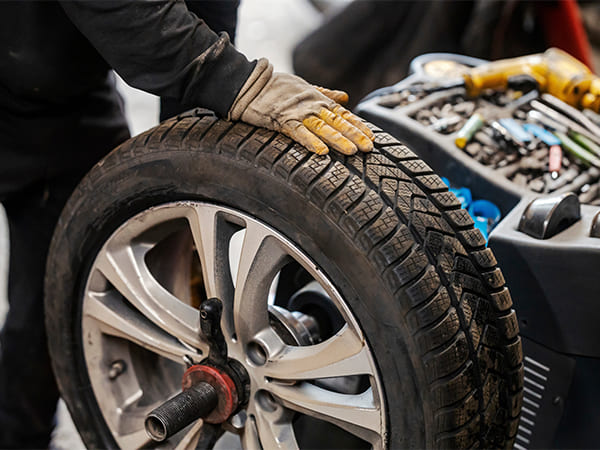
What Are Tire Rotation and Balancing?
When we talk about tire rotation, we mean moving the tires from one position on your vehicle to another—front to back, side to side, depending on your drive‑system and tire type. This helps all tires wear more evenly rather than some wearing out faster.
Balancing a tire is all about spreading the mass of the tire‑wheel unit evenly. When the wheel turns, it runs smooth, avoids vibration, stops uneven wear, and keeps the suspension from being overloaded.
If you drive around Denver’s hills, climb up and down often, and share the road with city and highway traffic, both alignment and tire maintenance become essential for better handling, a smoother ride, and lasting tires.
Why These Services Matter
Even Wear & Extended Tire Life
Tires wear unevenly because front wheels handle more steering, braking and power transfer, while rear wheels experience different loads. Rotating tires helps balance out those differences.
For example, one review notes that rotating tires every 5,000 to 7,500 miles can help increase tread life significantly.
Smooth Ride & Vehicle Safety
An unbalanced tire‑wheel assembly can produce vibrations in the steering wheel, floorboard or overall ride. This not only impacts comfort but also safety and vehicle control. Balancing helps mitigate that.
Denver’s road scenarios—busy city traffic, mountain inclines, rough patches, winter conditions—make smooth handling and even tire wear vital.
Better Fuel Efficiency & Reduced Costs
Uneven wear or imbalance can increase rolling resistance and cause your engine to work harder. Studies show proper tire rotation and balance can improve fuel efficiency and reduce wear on suspension and drivetrain components.
Over time, the savings from better fuel economy, fewer new tire purchases and reduced repairs add up.
How Often Should You Rotate and Balance Your Tires?
Typical Guidelines
- Many manufacturers and tire‑experts recommend tire rotation every 5,000 to 7,500 miles or every 6 months, whichever comes first.
- Tire balancing is often suggested every 6,000 to 8,000 miles or with each tire change/rotation.
Denver‑Specific Considerations
Because driving in and around Denver might include:
- Mountain and steep‑grade driving which puts extra load on tires.
- Frequent short trips (engine doesn’t fully warm up) and variable elevation.
- Winter conditions, snow, debris, potholes which may accelerate wear or cause imbalance.
So for many drivers in the Denver area, you may want to lean toward the more frequent end of the guidelines. For example: rotate every ~5,000 miles instead of waiting for 7,500 if you do lots of mountain driving or city stop‑and‑go. Likewise, consider balancing when you feel vibration or after rough road conditions, even if mileage is lower.
Practical Process: What Happens When You Rotate & Balance
- Inspection first:
- A technician checks tread depths, inflation, irregular wear patterns (cupping, feathering) and overall tire condition.
- A technician checks tread depths, inflation, irregular wear patterns (cupping, feathering) and overall tire condition.
- Tire rotation:
- Based on your vehicle’s drive type (front‑wheel drive, rear‑wheel drive, all‑wheel drive) and tire type (directional vs non‑directional), the wheels are moved into new positions following a specific pattern.
- Based on your vehicle’s drive type (front‑wheel drive, rear‑wheel drive, all‑wheel drive) and tire type (directional vs non‑directional), the wheels are moved into new positions following a specific pattern.
- Balancing:
- Each wheel is placed on a spin‑balancer machine. Any imbalance is corrected by attaching small weights to the rim until the assembly spins evenly.
- Each wheel is placed on a spin‑balancer machine. Any imbalance is corrected by attaching small weights to the rim until the assembly spins evenly.
- Post‑service checks:
- After rotation/balancing, tires are inflated to proper pressure, lug nuts torqued correctly, and alignment adjustment may be recommended if wear is uneven.
This is an opportunity to catch small issues early before they turn into bigger, more costly ones.
Real‑World Case Study: Denver Area Driver
Meet Carlos, who lives in Lakewood and commutes to downtown Denver each day, plus takes weekend ski‑trips up to the mountains. He noticed his steering wheel began to vibrate slightly during highway driving, and his front tires were showing more wear than the rear.
Technician at his shop suggested:
- Rotate his tires every 5,000 miles instead of waiting for 10,000—because of the combined city, highway and mountain driving.
- Balance his tires each time they are rotated, and check alignment given the vibrations.
Outcome: After following this schedule for a year—he got even more wear across tires. The vibration stopped. He delayed buying new tires by roughly 20 % compared to before, and felt more confident in winter drives.
This shows how tailoring your maintenance to your specific driving environment (Denver + mountains + stop‑and‑go) can lead to better results.
Key Benefits in the Denver Context
- Improved tire lifespan: More even wear means you get more miles out of each tire.
- Enhanced handling in mountain/highway transitions: Balanced and rotated tires provide better grip, especially important in varying grades and weather.
- Reduced vibration and related component wear: Less stress on suspension and steering reduces risk of additional repairs.
- Better fuel economy: With reduced rolling resistance and even tire condition.
According to a service blog, rotation and balancing improved gas mileage by up to ~2% when properly maintained. - Better safety: Especially important when encountering sudden weather changes, or winding mountain roads near Denver.
Your Denver Tire Maintenance Checklist
- Check tire tread and inflation monthly (especially after elevation or temp changes).
- Schedule tire rotation every 5,000 to 7,500 miles (or sooner for mountain/stop‑and‑go heavy driving).
- Balance your tires whenever you rotate, notice vibration, or after hitting rough terrain.
- Ask the technician to inspect alignment and suspension components when performing rotation/balance.
- Keep records of rotation/balance services to support warranty claims if required by the tire manufacturer.
By staying ahead of these maintenance tasks, you stay safer, get more life from your tires, and protect your vehicle’s performance on Denver roads.
Drive Smart, Rotate & Balance Regularly
In Denver’s unique driving environment—mixing city traffic, mountain ascents, varied climates—regular tire rotation and balancing are non‑negotiable parts of vehicle maintenance. When you rotate and balance at appropriate intervals for your driving style, you benefit from smoother rides, better fuel economy, enhanced safety and extended tire life. Don’t wait for vibration or severe wear—make it part of your routine.
Ready to keep your ride smooth & safe? If you’re looking for expert advice tailored to your driving habits around Denver—commutes, mountain trips, or mixed terrain—our team at Salta Automotive is equipped to help. Explore our related articles on Common Signs Your Car Requires Auto Repair Help in Denver, CO and book your next tire rotation and balancing check‑up.
FAQs
How often should I rotate my tires if I live in Denver and drive to the mountains every week?
Rotate every about 5,000 miles or roughly every 6 months, whichever comes first, since mountain driving accelerates wear.
Why is tire balancing important when I don’t feel any vibration yet in my car in Denver?
Balancing prevents uneven wear and vibration‑related damage before you feel it—saving suspension and tires in the long run.
Can I skip tire rotation and just replace tires when tread gets low in Denver’s winter conditions?
Skipping rotation often means uneven tread, poorer traction in snow/ice, and earlier replacement—rotation helps maximize safety and value.
Does the elevation change between Denver and the mountains affect my tire balance or rotation schedule?
Yes—altitude, steep grades and temperature shifts can impact tire wear and balance, so adjust the schedule closer to every ~5,000 miles.
Are tire rotation and balancing the same thing, or can I do one without the other in Denver?
They are different: rotation moves tire positions; balancing adjusts weight distribution. For best results in Denver conditions, you should do both regularly.