
Timing belts are small but mighty—especially for Denver drivers who face altitude shifts and wide temperature swings daily. In Audi and Volkswagen models with interference engines, a snapped belt can lead to internal collisions. That could mean a full engine rebuild or replacement—costly and avoidable.
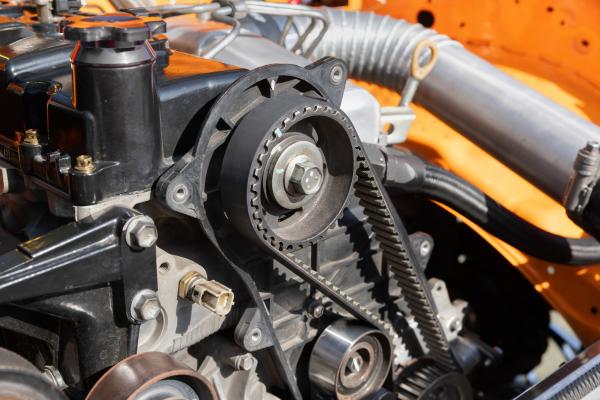
What Is a Timing Belt — And What Does It Do?
A timing belt keeps your engine in sync by linking the crankshaft and camshaft so valves open and close at precisely the right times. This synchronization ensures smooth power, efficient fuel use, and fewer emissions. Made of reinforced rubber, timing belts endure heat, stress, and thousands of miles—but over time, they become brittle, teeth wear down, and oil exposure can weaken them. Although some newer Audi and VW models now use timing chains, many still depend on belts—and these must be changed at the recommended intervals.
Why Delaying Replacement Risks Costly Damage
Most Audi and VW engines are interference designs—if a timing belt fails, pistons and valves may collide, causing catastrophic engine damage. In high-mileage German cars, timing component failure ranks among the top causes of major engine repairs. Delaying replacement isn’t worth the risk.
The Timing Belt Replacement Process — Step by Step Guide
Timing belt replacement isn’t just a quick swap—it’s a precision service needing specialized tools, factory specs, and careful execution. At Salta Service & Performance, here’s how we do it:
Vehicle History & Visual Check
Examine service records. Look for cracks, fraying, missing teeth, or oil seeping around the belt.
Front‑End Disassembly
Remove serpentine belts, pulleys, timing covers—and for some Audi and VW models, even the front bumper or radiator support—to reach the belt.
Engine Alignment to TDC
Set the engine to Top Dead Center using factory timing marks. This locks crank and camshafts in place to avoid misalignment during belt removal.
Replace Associated Parts
We recommend swapping the water pump, tensioner, idler pulleys, and seals together—these parts wear out on a similar timeline, and replacing them now avoids repeat labor later.
Install & Verify Timing
Fit the OEM belt and tension it precisely. Rotate the engine manually through several cycles to confirm alignment before putting everything back together.
Engine Testing & Road Check
Reassemble, then start the engine, check for leaks or diagnostics codes, and take it for a road test to ensure smooth performance.
Benefits of Replacing Your Timing Belt on Time
- Prevents Severe Engine Damage — Avoids piston‑valve contact in interference engines
- Saves on Repair Costs — Replacing belt components is far cheaper than rebuilding an engine
- Maintains Fuel Efficiency — Accurate timing ensures proper combustion
- Supports Reliability — Swapping related parts together reduces unexpected failures
- Gives You Peace of Mind — Especially before road trips or mountain drives
Denver‑Specific Example
A Denver driver brought in a 2013 VW Passat for pre‑winter maintenance. Though the car ran fine, the timing belt had 85,000+ miles and showed wear and light oil seepage. We replaced the belt, water pump, tensioner, and idler pulleys—and discovered a failing pulley that could have led to a breakdown mid-trip to Aspen. By servicing everything at once, we helped avoid a winter-time roadside emergency.
Why Timing Belts Wear Faster in Denver
Denver driving can be tough on timing belts:
- High Altitude — Thinner air changes engine load and heat patterns, stressing rubber parts
- Dry Climate — Speeds up rubber brittleness and cracking
- Constant Elevation Changes — From city streets to mountain roads, fluctuating engine loads increase stress
- Stop‑and‑Go Traffic — Heat cycles from frequent starts and stops can fatigue belts faster
These local conditions mean belts in Denver may need earlier replacement than factory guidelines suggest.
OEM Guidelines & Industry Reminder
- Audi: Replace timing belts every 75,000–110,000 miles, depending on model/year
- Volkswagen: Replace every 80,000–100,000 miles—but Denver conditions may call for earlier servicing
- Industry Insight: Timing belt failure is one of the leading causes of major engine repairs in high-mileage European cars
- Pro Tip: Always replace the water pump during belt service to save on future labor
Salta Service & Performance: Your Timing Belt Specialists in Denver
What sets us apart:
- Audi & VW Focus: We work exclusively on these brands—our techs know their specs, quirks, and nuances.
- OEM Parts Only: Guaranteed fit and performance.
- Factory‑Grade Precision: We use factory repair data and tools for spot‑on timing settings.
- Comprehensive Inspections: We investigate and address hidden issues before they cause trouble.
- Local Expertise: Our Denver experience helps you stay ahead of maintenance—even in tough driving conditions.
Takeaway: Replacing your timing belt when recommended—or earlier if you’re unsure—is one of the smartest investments to protect your car and enjoy worry‑free Denver driving.
If your Audi or VW is nearing the recommended mileage—or if you’re uncertain when the timing belt was last changed—book an inspection today. Timing belt replacement is a preventive upgrade that keeps your engine safe and dependable, whether you’re commuting downtown or heading into the Colorado mountains.
FAQs — Voice‑Search Ready for Denver Drivers
Do timing belts wear out faster in Colorado’s climate?
Yes—high altitude, dry air, and frequent elevation changes all accelerate rubber degradation and increase stress on timing components.
How often should I replace a timing belt before driving in the mountains?
Stick to—or ahead of—manufacturer intervals. For many Audi models that’s 75,000–110,000 miles; VW recommends 80,000–100,000 miles. In Denver, earlier service may be wise.
Does Denver’s altitude affect timing belt life?
Absolutely. Thinner air changes engine heat and pressure, intensifying wear on the belt and related parts.
What are the signs a timing belt needs replacement?
Listen for ticking noises, watch for engine misfires, and check for oil leaks near the timing area.
Can I change just the timing belt and not the other parts?
It’s possible, but risky. If the tensioner or water pump fails later, you’ll likely pay for the same labor again—and risk a breakdown.
How long does the replacement take?
Typically 4–6 hours depending on the model. Some high‑performance or complex layouts may need more time.
Do newer Audi and VW models still use timing belts?
Some still do—others now have timing chains, which last longer but still require inspection. Always follow your owner’s manual or get a specialist’s advice.