
The steering system is a critical component of your vehicle’s safety and handling. When something goes wrong, it can compromise your control of the car, potentially leading to dangerous driving conditions. The Denver area, with its steep hills, snow and ice, adds extra strain to your steering system, so you’ll want to repair any problems as soon as they show up.
Here we’ll walk through ways to diagnose and repair the most frequent steering problems you’ll meet around Denver, CO. If you’re dealing with power steering glitches, strange noises, or a steering that won’t respond, knowing the reasons and fixes will help keep you safe on Denver’s varied roads.
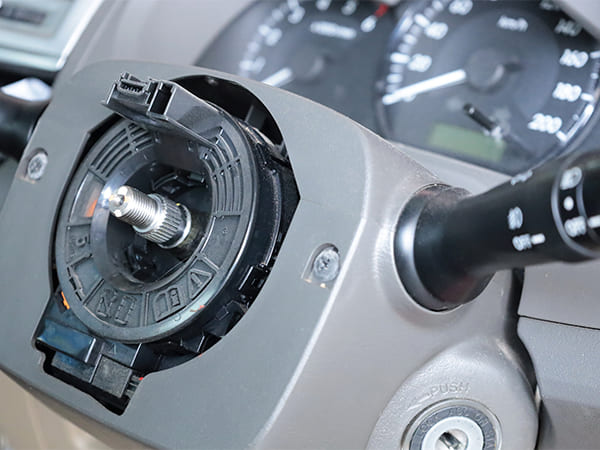
Understanding the Steering System
Take a moment to learn how the steering system in your automobile works before you begin fixing anything. If you’ve been behind the wheel lately, you’ve probably noticed that most recent models use power steering, either hydraulic or electric, to cut the strain when you turn. There are three main components:
- Steering Wheel: The interface between the driver and the vehicle’s steering system.
- Steering Column: Connects the steering wheel to the rest of the steering mechanism.
- Steering Rack/Box: Converts the rotational movement of the steering wheel into linear movement, which turns the wheels.
The power steering system makes steering effortless, but when it malfunctions, it can lead to significant issues. Let’s explore common problems and their solutions.
Common Steering System Issues and How to Troubleshoot Them
1. Power Steering Fluid Leaks
Power steering fluid leaks can cause stiff steering and whining noises.
- Symptoms: Hard-to-turn steering, whining noises, jerky wheel movement.
- Diagnosis: Check fluid levels. Inspect hoses for leaks.
- Fix: Replace damaged hoses or seals. Severe leaks may require pump replacement.
According to the Car Care Council, approximately one in four vehicles on the road is driving with low or contaminated power steering fluid, which is one of the leading causes of steering problems.
2. Noisy Steering
Whining, grinding, or squealing noises can indicate power steering issues.
- Symptoms: Whining, grinding, or squealing noises while turning.
- Diagnosis: Check fluid levels; inspect pump and belts for wear.
- Fix: Replace worn hoses, belts, or seals. A pump or rack replacement may be needed.
Research published by Automotive Fleet indicates that as electric power steering systems spread, complaints about noisy steering are on the rise. These systems are more energy-efficient but require specific attention to components such as the EPS motor.
3. Steering Wheel Vibration or Pulling
Vibration or pulling could point to alignment or steering component issues.
- Symptoms: Vibration or pulling to one side while driving.
- Diagnosis: Check for uneven tire wear or low tire pressure.
- Fix: Rotate/replace tires, get a wheel alignment, or replace worn components.
The Tire Industry Association’s 2019 survey showed that misalignment hits the majority of cars—more than half—at some point, causing the wheel to vibrate and the vehicle to drift. Regular wheel alignment can reduce this issue.
4. Unresponsive Steering
Loose or delayed steering often involves the steering rack or power steering pump.
- Symptoms: Loose steering or delayed response when turning.
- Diagnosis: Check fluid levels and inspect for leaks.
- Fix: Replace faulty steering rack or power steering pump.
The shift toward electronic steering in modern cars brings convenience, yet it also raises the odds of sudden loss of control when a circuit or sensor misfires, a problem that’s growing each year. Studies suggest that 1 in 3 vehicles with electric steering experience some form of malfunction by the 100,000-mile mark.
5. Steering Fluid Contamination
Contaminated fluid can cause hard steering and system failure.
- Symptoms: Difficulty steering, grinding, or increased effort.
- Diagnosis: Inspect fluid for cloudiness or discoloration.
- Fix: Perform a full fluid flush, and possibly replace the power steering pump.
The National Institute for Automotive Service Excellence (ASE) says that dirty fluid can cause as many as one‑in‑five steering failures in cars. Regular fluid checks can help catch contamination early, preventing costly repairs.
The Importance of Regular Steering System Maintenance
Denver’s weather mixes frequent snow, slippery ice, and thin mountain air, which together can tax the steering mechanism of any car you own. Regular maintenance is key to ensuring your steering system stays in good condition.
Benefits of Regular Maintenance:
- Increased Safety: A properly functioning steering system ensures that you can maintain control of your vehicle, reducing the risk of accidents.
- Enhanced Vehicle Longevity: Regular fluid checks, alignment, and inspection of steering components can extend the life of your vehicle.
- Improved Driving Comfort: A smooth and responsive steering system makes for a more comfortable and enjoyable driving experience.
How to Maintain Your Steering System:
- Check Power Steering Fluid Regularly: Ensure that fluid levels are always at the recommended level. If the fluid is low or contaminated, it should be replaced.
- Inspect Steering Components: Have your mechanic regularly inspect the steering pump, rack, hoses, and belts for wear and tear.
- Wheel Alignment: Get a wheel alignment every 10,000 to 15,000 miles, or sooner if you notice pulling or uneven tire wear.
- Replace Worn Tires: Worn tires can put additional strain on your steering system. Regular tire rotation and replacement can help ensure smooth steering.
Real-World Case Study: Steering Issue Repair in Denver
John, a Denver native, noticed his wheel had begun to resist his hands, the problem showing up most on the steep, curvy blocks he had to climb. A careful check showed his power steering fluid had dropped, traced back to a minor leak in the hose. The technicians replaced the hose, refilled the fluid, and performed a full system check. After the repair, John’s car drove smoothly again, and the steering problem was resolved, allowing him to drive safely through Denver’s challenging roads.
Ensure Optimal Exhaust System Performance
Your steering system plays a vital role in ensuring your vehicle is safe and responsive, especially on Denver’s mountainous terrain. Regular maintenance and prompt troubleshooting of common issues can keep you driving smoothly and safely.
If you’re experiencing steering problems or just want to ensure your system is in top condition, Salta Automotive is here to help. Our expert technicians can quickly diagnose and repair any steering issues, so you can get back on the road with confidence. Schedule a service today!
FAQs: Steering System Troubleshooting in Denver
How do I know if my steering fluid is low?
You may notice a stiff steering wheel, whining noises while turning, or an illuminated warning light on your dashboard. Check the fluid level using the dipstick or reservoir.
Why is my steering wheel vibrating?
Vibrating could indicate uneven tire wear, misalignment, or issues with the steering rack. Have your tires and alignment checked to resolve the problem.
How often should I check my steering system?
It’s a good idea to have your steering system checked during regular maintenance intervals, ideally every 12,000 to 15,000 miles or at the first sign of issues.
Can extreme weather in Denver affect my steering system?
Yes, snow, ice, and cold temperatures can put added stress on your steering system, particularly if the power steering fluid becomes thick or the system is already worn.
What should I do if my steering feels unresponsive?
If your steering feels unresponsive or loose, it may be due to low fluid or a malfunctioning power steering pump. Get it checked immediately to avoid potential safety issues.