
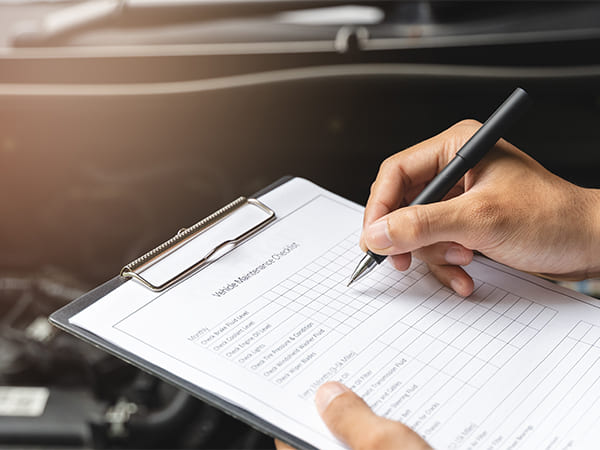
Keeping your car in top condition isn’t just a “nice-to-have” — it’s essential. Living in Denver means coping with sudden hot‑to‑cold swings, thin air and pothole‑prone streets; a car that’s regularly inspected translates into fewer accidents, steadier performance, and higher resale price. Below is a comprehensive preventive maintenance checklist tailored to the typical driving conditions and challenges in and around Denver.
Why Preventive Maintenance Matters — Especially in Denver
- Colorado’s climate strains vehicles. As noted by local automotive experts, the temperature swings common around Denver—hot days, cold nights, occasional snow or hail — accelerate wear on seals, gaskets, fluids, and tires. Even small maintenance delays can turn into costly repairs.
- Better performance, safety, and longevity. Regular maintenance helps engines run smoothly, improves fuel efficiency, extends the life of parts, and reduces unexpected breakdowns.
- Peace of mind for all seasons. Whether you’re cruising through scorching summer days or slippery winter roads, getting a check before the season flips keeps your car safe.
Core Preventive Maintenance — What to Do and When
Routine maintenance is more than a to-do list — it’s your first line of defense against costly repairs and sudden breakdowns. Here’s a breakdown of what every Denver driver should check regularly, how often, and why it matters for long-term performance and safety.
| Interval / Frequency | Maintenance Task | Why It Matters |
| Every month (or before long trips) | • Check engine oil & coolant levels when engine is cold• Inspect tire pressure and tread• Verify lights, turn signals, brake lights• Check windshield‑washer fluid | By making sure fluids are topped off, tires are within legal limits, and the visibility and electrical gear are operating, drivers stay safe when Colorado’s weather and light change rapidly. |
| Every 5,000–7,500 miles (or about every 6 months) | • Change engine oil & oil filter• Rotate tires and inspect tread/sidewalls• Basic fluid top‑offs (brake fluid, power steering fluid, washer fluid)• Visual check of belts and hoses• Test battery (if older) and inspect terminals | Clean oil keeps the engine lubricated and cool. Tire rotation evens out wear. Belts/hoses and fluids degrade faster with temperature changes. |
| Every 12,000–15,000 miles (or roughly annually) | • Replace engine air filter (and cabin filter if applicable)• Inspect brake pads, brake lines, and brake fluid• Inspect suspension and steering components• Check/wash undercarriage for road salt or debris (especially after winter) | A clean air filter preserves engine efficiency. Brake and suspension checks ensure safe stopping and handling — vital in Denver’s varied driving conditions. |
| Every 30,000–60,000 miles | • Replace transmission fluid (or check if automatic/CVT)• Flush coolant/antifreeze (or inspect cooling system)• Check fuel filter and fuel system (older vehicles)• Inspect drive belts / timing belt (if applicable)• Inspect exhaust, emissions, and undercarriage for rust or damage | Helps prevent major engine/transmission issues and ensures your vehicle stays reliable under stress from altitude and temperature variation. |
| Every 60,000–100,000 miles | • Replace spark plugs (for gas engines)• Thorough inspection of all safety systems (brakes, suspension, steering, lights)• Wheel alignment check (if tires show uneven wear)• Check/replace belts, hoses, mountings, and inspect for leaks | As mileage accumulates, wear becomes more pronounced; preventive overhaul at these milestones can save thousands compared to major repairs. |
Seasonal Considerations for Denver Drivers
Denver’s climate can shift dramatically with the seasons. Here are extra steps to keep in mind:
- Pre‑winter (Fall): Check coolant/antifreeze levels, battery health, tires (tread and pressure), lights, windshield wipers, and washer fluid. Make sure brakes and braking systems are in good shape to handle icy or snowy roads.
- Pre‑summer (Spring/Early Summer): Change air filters (dust control), check cooling system / radiator, inspect belts and hoses (to avoid overheating), and verify A/C system if used frequently.
- After harsh weather (snow, hail, salt exposure): Inspect undercarriage and frame for rust or damage, wash off salt or road chemicals, and check wheel alignment if you hit potholes or curbs.
These seasonal checks are especially useful in Denver, where temperature swings and road salt or grit can accelerate wear.
How to Use This Checklist — Practical Tips for Busy Drivers
- Keep a maintenance log.
- Write down the date and mileage each time you do maintenance — or have a shop do it. This helps stay on track and shows your car’s history when selling or trading it in.
- Write down the date and mileage each time you do maintenance — or have a shop do it. This helps stay on track and shows your car’s history when selling or trading it in.
- Set calendar reminders.
- For example: every 6 months for oil & tire check, annually for air filter and brakes, and every 30–60k miles for fluid flushes.
- For example: every 6 months for oil & tire check, annually for air filter and brakes, and every 30–60k miles for fluid flushes.
- Don’t wait for warning signs.
- By the time you hear squeaks, see leaks, or notice sluggish performance, damage might already be underway. Preventive checks catch issues early.
- By the time you hear squeaks, see leaks, or notice sluggish performance, damage might already be underway. Preventive checks catch issues early.
- Adapt based on driving conditions.
- If you often drive on rough roads, in heavy traffic, or in extreme temperatures, consider shortening intervals for oil changes, fluid checks, and inspections.
- If you often drive on rough roads, in heavy traffic, or in extreme temperatures, consider shortening intervals for oil changes, fluid checks, and inspections.
- Use a trusted, local repair shop.
- A skilled mechanic familiar with Denver driving conditions can spot common climate-related wear (belts, seals, cooling system) and provide tailored advice.
- A skilled mechanic familiar with Denver driving conditions can spot common climate-related wear (belts, seals, cooling system) and provide tailored advice.
Common Misconceptions & Why They’re Risky
- “My car seems fine — no need to check it.” Routine maintenance isn’t just for obvious problems. Fluids degrade, belts crack, and tire tread wears slowly — leaving issues unnoticed until they become serious.
- “I’ll wait until snow hits before winterizing.” By that time, you may already have damaged belts, weakened battery, or insufficient coolant — increasing the risk of breakdowns.
- “Cheap oil or skipping filter changes will save me money.” Low-quality oil or delayed filter changes can lead to sludge buildup, reduced engine life, and bigger repair costs.
Why Denver Drivers Should Be Extra Diligent
Living and driving in Denver means dealing with altitude, shifting seasons, and sometimes rough roads. The combination of hot summers, cold winters, and sudden shifts in temperature puts added stress on your vehicle. As noted by local auto experts, deferred maintenance under these conditions “can lead to expensive emergency repairs faster than almost anywhere else.”
Also — Colorado drivers are urged to inspect tires monthly, especially if driving on pothole-prone or debris‑laden roads.
Regular preventive maintenance isn’t just good practice — it’s a smart way to protect your vehicle’s long-term value and keep yourself safe throughout all seasons.
Conclusion & Next Steps
A well-maintained vehicle isn’t a luxury — it’s a necessity, especially for drivers navigating Denver’s unique roads and climate. By following this preventive maintenance checklist, you’ll enjoy better performance, avoid unexpected breakdowns, and extend your car’s lifespan.
If you want help tailoring a maintenance schedule to your driving habits or need a trusted partner to keep your vehicle road‑ready, contact Salta Automotive — we’re committed to keeping Denver drivers safe, confident, and worry‑free on the road.
FAQ: Quick Answers for Denver Drivers
How often should I check tire pressure?
At least once a month — and especially before long trips or after big temperature swings. Under- or over-inflated tires affect safety, fuel economy, and handling.
Does cold weather mean I need more frequent maintenance?
Yes. Extreme temperature fluctuations in Denver can speed up wear on fluids, rubber components, tires, and batteries. Schedule maintenance more often in winter or after harsh weather.
Are synthetic oils worth the cost?
Often, yes — synthetic oils typically last longer (5,000–10,000 miles) and perform better under temperature and stress changes, compared to conventional oils.
Can I do some of these checks myself?
Absolutely. Simple monthly checks — like oil level, tire pressure, lights, and fluid levels — are easy to do. For belt inspections, brake servicing, or fluid flushes, consider a professional mechanic.
What’s the most critical maintenance item I should never skip?
Oil changes, tire maintenance (pressure & tread checks), and brake inspection — skipping these carries the highest risk for engine damage, tire failure, or compromised safety.