
Variable valve timing systems rely on engine oil to hydraulically control camshaft timing. As oil becomes contaminated or degraded, changes in viscosity and deposit formation can interfere with the small passages and control valves these systems depend on. Using the correct manufacturer-specified oil and maintaining responsible service intervals helps keep these systems operating as designed
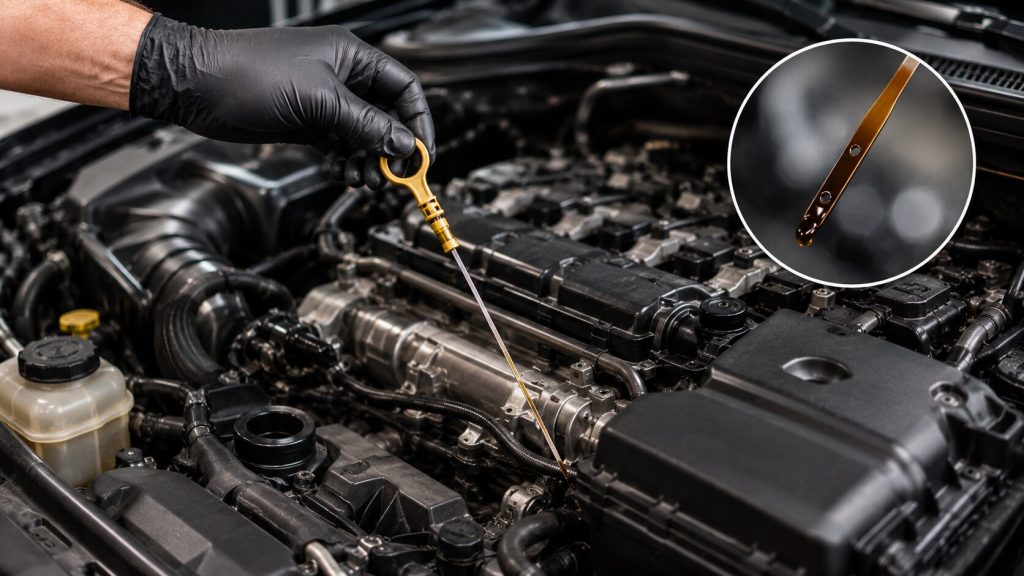
Denver driving can expose an engine to a wide range of operating conditions, from cold starts and short trips to stop-and-go traffic and sustained mountain driving. Over time, engine oil accumulates contaminants and undergoes chemical changes that can affect the hydraulic systems that depend on it, including variable valve timing.
Drivers frequently wonder why engine maintenance intervals matter so much for modern powerplants. Engine oil does more than lubricate moving components. In many modern engines, it also serves as the hydraulic fluid used to operate variable valve timing systems. Oil pressure is directed through control valves and passages to camshaft phasers, allowing the engine computer to adjust camshaft timing based on operating conditions.
Viscosity Control and Hydraulic Timing Precision
Many modern engines use controlled oil pressure to adjust camshaft position. These systems depend on oil with the correct viscosity and performance characteristics flowing through relatively small passages and control valves. As oil becomes degraded or contaminated, changes in viscosity and deposit formation can interfere with the system’s ability to respond as designed.
How Oil Condition Can Affect Your Timing System
Variable valve timing systems use clean engine oil as a hydraulic medium, functioning like high-pressure actuators that instantly adjust camshaft timing to optimize power and fuel efficiency.
There are several factors in the oil system that can affect how the timing system operates.
- Viscosity: VVT systems are designed around an appropriate range of oil viscosity.
- Deposits and contamination: Deposits can restrict small oil passages or interfere with control-solenoid operation.
- Oil pressure: VVT actuation depends upon an adequate oil supply and pressure.
- Mechanical wear: Operating problems that persist can contribute to wear, although a VVT fault does not automatically mean mechanical damage has occurred.
How Sludge Accumulation Disrupts Advanced Engine Control Systems
Advanced engine control systems depend on instantaneous feedback loops. Sensors monitor camshaft rotation angles and report back to the powertrain control module within milliseconds. Sludge accumulation acts like cholesterol in human arteries, choking off the vital fluid pathways that feed the actuators. When oil control valves fail to receive prompt hydraulic pressure, the computer registers an error.
Local driving can accelerate this process. Short trips prevent the oil from reaching temperatures high enough to boil off moisture and fuel dilution, compounding the sludge buildup inside delicate oil galleys.
Diagnostic Procedures for Variable Valve Timing
Variable valve timing faults require diagnosis based on the specific vehicle, fault, and symptoms. Depending on the application, testing may include:
- Reviewing stored faults and relevant operating data with manufacturer-level diagnostic equipment.
- Comparing commanded camshaft position with actual camshaft position when applicable.
- Evaluating oil level, condition, and whether the correct oil specification has been used.
- Testing or inspecting oil control valves, electrical circuits, camshaft adjusters, or mechanical timing components.
- Testing oil pressure when symptoms or diagnostic results indicate it is necessary.
Preventing Premature Engine Wear Through Proper Maintenance
Preventing engine damage requires adapting oil service intervals to actual operating conditions. Vehicles operating in dusty environments, heavy traffic, or extreme cold require shortened service intervals to combat rapid oil degradation.
- Utilize high-grade synthetic oils formulated with robust detergent packages.
- Keep internal components free of varnish and carbon buildup by adhering to tailored local service intervals.
- Monitor oil condition regularly to protect expensive timing components from premature failure.
Protect Your Engine Timing System
At our shop, I treat an oil service as much more than just a quick fluid and filter swap. Every service becomes an opportunity to check in on the overall health of your vehicle through a hands-on inspection and a full computer scan. If a warning sign or stored fault requires a closer look, I recommend the right next diagnostic step rather than replacing parts based on guesswork. Stop by 1001 E 75th Ave, Unit A in Denver, or reach out to schedule your next visit.
Frequently Asked Questions
Does dirty engine oil directly affect Variable Valve Timing performance?
It can. Variable valve timing systems rely on engine oil with the correct viscosity and adequate oil pressure. Degraded oil, contamination, deposits, an incorrect oil specification, or an underlying oil-pressure problem can interfere with VVT operation.
Can a standard oil change fix an active Variable Valve Timing fault code?
Potentially. An oil change may correct a VVT problem if oil condition, level, or specification is the underlying cause, but VVT faults can also result from electrical problems, oil control valves, oil-pressure problems, camshaft adjusters, mechanical timing issues, or other faults. The cause should be diagnosed rather than assuming fresh oil will correct it.
Are short city trips harmful to engine oil and timing systems?
Frequent short trips can be harder on engine oil because the engine spends less time at full operating temperature, allowing more moisture and volatile fuel to remain in the crankcase. Over time, that contamination can contribute to oil degradation and deposit formation, which is particularly relevant to systems that rely on small oil passages and hydraulic control.
Does a clean dipstick guarantee that internal oil passages are clean?
No. The appearance of oil on the dipstick cannot tell you whether deposits or restrictions exist elsewhere in the lubrication system. It also cannot determine whether a variable valve timing problem is present. If there is a fault or symptom, proper diagnosis is necessary to determine the cause.