
Living in Denver and driving a hybrid means you’ll stretch each tank farther, see a drop in carbon output, and enjoy savings on routine upkeep. But to get the most out of your hybrid, you need to understand both the “regular car” maintenance it still requires and the hybrid‑specific care it needs. This guide will walk you through the essentials so your hybrid runs reliably for years, whether navigating city traffic, mountain passes, or suburban streets around Denver.
Why Hybrid Maintenance Matters — Even If It’s “Green”
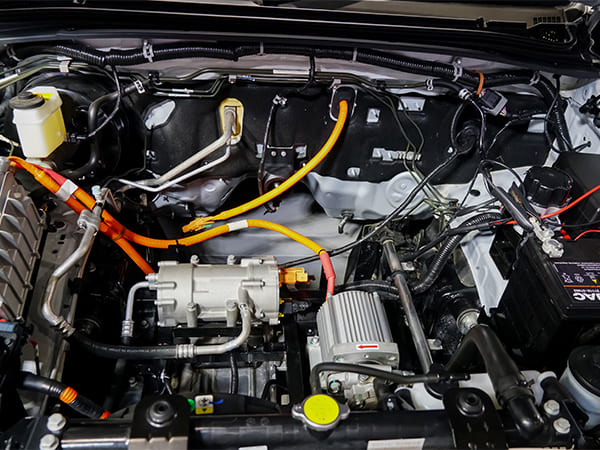
- Dual powertrain = dual maintenance needs. Hybrids combine an internal combustion engine (ICE) and an electric motor/battery. You’ll need to look after the gas‑car side—oil, filters, fluids and tires—while also maintaining the hybrid/electric side, which includes battery health, cooling and the brakes.
- Hybrid features bring unique wear patterns. The regenerative braking system and dual cooling/electrical systems reduce some wear — but also add complexity. Failing to maintain these properly can lead to expensive issues later.
- Long-term savings depend on regular care. Though hybrids often enjoy lower maintenance costs than traditional cars over time, only consistent, proper maintenance unlocks those savings.
Essential Maintenance Tasks for Hybrid Vehicles
Engine, Oil & Fluids — Don’t Ignore the “Gas Car” Side
Even though your hybrid shifts some load to the electric motor, the internal combustion engine remains a core component.
- Regular oil changes and filter replacements. Even hybrid cars need fresh oil, so plan on an oil change about every 5‑10 thousand miles, following the brand’s recommendations and your driving style.
- Coolant and other fluids. In many hybrids, a single cooler handles the job; in others, engineers install a second unit that focuses on the inverter and battery. Low coolant can cause hybrid parts to overheat, so keep the reservoir topped up.
- Air and cabin filters, and general fluid checks. A regular check‑up for a car includes swapping out the air and cabin filters and, when needed, topping off the transmission or power‑system fluids.
Battery, Electrical Systems & Cooling
The hybrid battery and associated systems are central to performance and longevity.
- Battery health checks. Over time, the high-voltage traction or hybrid battery loses capacity. Regular diagnostics help catch issues early, before major failures.
- Cooling/inverter systems. Hybrid vehicles often have cooling systems for both the engine and electronic motor/battery components — neglecting these can lead to overheating or reduced battery life.
- Software/ electronics updates (when applicable). Some hybrids rely heavily on onboard software to manage power-split and battery use. Periodic checks and updates help ensure optimal performance and prevent bugs or inefficiencies.
Brakes & Regenerative Braking System
One of the biggest hybrid advantages is improved braking efficiency — but that doesn’t mean brakes can be ignored.
- Regenerative braking reduces wear — but inspect anyway. Because hybrids capture energy during braking, they often experience less wear on brake pads and rotors.
- Still do regular brake inspections. Even with regenerative braking, you need periodic checks of brake pads, rotors, brake fluid, and mechanical components. Aging parts, corrosion, or fluid issues still pose safety risks.
- Watch for signs of brake‑system issues. Since hybrids may use mechanical brakes less often, rotors and pads can accumulate rust, glaze, or uneven wear — especially in humid or salty conditions (such as during winter or mountain trips). Prompt inspection helps avoid costly repairs.
Tires, Suspension, and Regular Wear Components
Hybrid vs. gas — some parts wear similarly. Dry routine maintenance still matters.
- Tire pressure, tread depth, and rotations. Check tire pressure monthly and rotate tires regularly. Proper tires ensure fuel efficiency, traction, and safety regardless of drivetrain.
- Suspension, steering, and general safety checks. Suspension and steering systems still handle all the same stresses as conventional vehicles — wear here impacts ride quality, safety, and handling.
- Follow the manufacturer’s service schedule. Don’t assume hybrids need less maintenance overall — follow the recommended schedule for your model for oil changes, inspections, and servicing.
What Denver Drivers Should Know — Local Considerations
Driving in Denver means cold winters, mountain roads, and altitude — all of which affect your hybrid differently.
- Battery & cooling stress: Cold and elevation can strain systems — check coolant and battery before long drives.
- Brake corrosion risk: Salt and moisture can rust components, even if regenerative braking reduces wear.
- Tires & suspension matter: Mixed terrains demand solid tread, correct pressure, and well-tuned suspension.
- Find hybrid-trained technicians: Not all shops know hybrid systems — choose one experienced with both gas and electric repairs.
Common Myths About Hybrids & What’s Actually True
Recommended Maintenance Schedule for Hybrid Owners
| Interval / Mileage | Maintenance Task |
| Every 5,000–10,000 mi (or per manufacturer) | Engine oil & filter change; inspect and top off fluids; check coolant for engine and hybrid systems. |
| Every regular service visit (as per owner’s manual) | Check high-voltage battery health, inspect inverter/battery cooling systems, inspect brake pads/rotors/calipers, inspect tires, suspension, steering. |
| Periodically (or if symptoms appear) | Diagnostic scan of hybrid / power‑split systems, software/firmware updates (if applicable), inspect exhaust/emissions if ICE runs frequently. |
| As needed (based on condition) | Brake fluid flush, coolant flush (for both engine and hybrid systems), tire replacement or rotation, mechanical brake pad/rotor replacement if worn or corroded. |
When You Should See a Hybrid‑Specialty Technician
- If the hybrid battery shows reduced performance (e.g., noticeably lower fuel economy, erratic battery-level swings, frequent charging/discharging).
- If the hybrid cooling system — especially the inverter/battery coolant — overheats or leaks.
- If there are dashboard warning lights related to hybrid systems, emissions, battery or powertrain.
- If brakes feel spongy or ineffective despite low mileage (could indicate rotor rust or fluid issues).
- If you plan long mountain drives (altitude + heat = stress on cooling and battery systems) or live in high-altitude zones like Denver’s surrounding hills — extra checks can prevent major issues.
Final Thoughts: Keep Your Hybrid Running Strong — All Year Round
Hybrids are ideal for Denver’s mix of city and mountain driving — but they need both traditional and hybrid-specific maintenance to remain reliable.
Stick to your service schedule, monitor battery and cooling systems, and keep tires and brakes in top shape.
Want expert help? Let the hybrid-savvy team at Salta Automotive ensure your vehicle is ready for anything — from commutes to canyon drives.
FAQs — Hybrid Vehicle Repair & Maintenance
How often should I change the oil in my hybrid car?
Most hybrids require oil changes roughly every 5,000–10,000 miles — but always follow the manufacturer’s schedule listed in the owner’s manual.
Do I still need brake maintenance with regenerative braking?
Yes. While regenerative braking reduces wear on brake pads and rotors, mechanical brakes, brake fluid, and calipers still need regular inspection — especially if you drive on salted roads or in cold weather.
How often should hybrid battery health be checked?
Hybrid battery health should be checked during scheduled maintenance visits. A full diagnostic is recommended annually or per manufacturer guidance — especially if you notice reduced fuel efficiency or battery performance drops.
Is hybrid maintenance more expensive than regular cars?
Not necessarily. Because hybrids benefit from reduced engine wear and less frequent brake servicing, overall maintenance costs are often comparable or even lower than gas‑only cars — provided you stay on schedule.
Why is cooling system maintenance critical for hybrids?
Hybrid vehicles often use cooling systems for both the engine and the battery/inverter systems. Overheating or coolant issues can damage the electric components — so regular checkups and coolant flushes are essential.