
Finding the right auto repair shop can feel like a gamble. But especially in a city like Denver — where mountain drives, winter weather, and a mix of city and highway driving all take a toll on vehicles — making the right choice can keep you safer, avoid surprise repair bills, and help your car last longer. This guide walks you through exactly what to look for (and what to avoid) when selecting an auto repair shop in Denver.
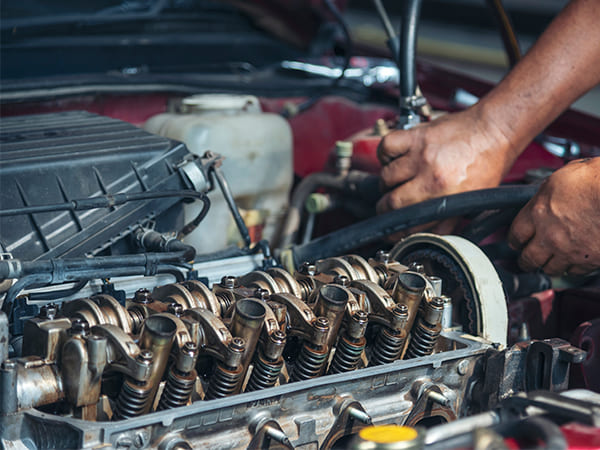
Why Choosing the Right Shop Matters in Denver
- Denver drivers face a mix of conditions, from snow‑blanketed winter streets to high‑altitude climbs and constant stop‑and‑go traffic, testing their vehicles. A shop with local experience understands how these conditions impact brakes, suspension, cooling, tires, and more.
- Complexity of modern vehicles — With modern engines, electronics, safety systems, and sometimes hybrid or turbo setups, a good shop must have the right tools, training, and diagnostic process to handle issues properly. A misdiagnosis or shortcut can cost far more down the road.
- Good maintenance = long‑term savings & reliability — A trustworthy shop does more than quick fixes. They stick to industry standards, install top grade parts, and share straightforward advice, helping your vehicle stay smooth and lowering the chance of a breakdown.
What to Look For When Choosing an Auto Repair Shop
Reputation, Reviews & Word‑of‑Mouth
- Check online reviews and feedback. Platforms like Google, Yelp, local forums, or neighborhood social media groups can offer valuable insights into others’ experiences. Watch for consistent praise (or red flags) rather than just a few random reviews.
- Ask people you know. Friends, family, coworkers — especially those with cars similar to yours — can share honest feedback about reliability, service quality, and fair pricing.
- Check how long they’ve been in business. Shops that have served the community over the years likely have a track record of satisfied customers and understand local driving and weather conditions.
Credentials, Certifications & Technical Expertise
- Look for certified technicians. For U.S. auto repair, Automotive Service Excellence (ASE) certification is widely considered a benchmark that ensures repair technicians meet recognized skill and knowledge standards.
- Specialization when needed. If you drive a less common brand, a hybrid, or a performance car — consider shops experienced in handling those vehicle types. The right shop will have appropriate tools and part‑knowledge for your car.
- Modern equipment and diagnostic tools. Cars are more complex than ever; a quality shop should have up‑to-date diagnostic equipment and technology to accurately identify problems, especially for electronics, emissions, or advanced systems.
Transparency, Estimates & Fair Pricing
- Get clear, written estimates before work begins. A trustworthy shop explains what needs repair, why, and what parts & labor costs are involved. Avoid shops that give vague or overly broad estimates.
- Warranty or guarantee on work and parts. Good shops stand behind their work — offering warranties on repairs and parts shows confidence in their quality and gives you protection if something fails soon after service.
- Reasonable — not just the cheapest — pricing. Extremely low prices can be tempting but sometimes mean corners are cut (cheap parts, rushed labor, misdiagnoses). Prioritize value over the lowest quote.
Quality of Customer Service & Shop Environment
- Communication and honesty matter. Staff should be willing to explain what’s wrong, show you the damaged parts (if asked), and answer your questions — not pressure you into unnecessary repairs.
- Clean, well‑organized shop and professional attitude. A tidy, organized workspace often reflects the shop’s standards. Disorganization or chaotic environments can be a red flag.
- Convenience factors: location, operating hours, shuttle or loaner services, ease of scheduling — all matter for busy Denver drivers who need flexibility.
Questions to Ask Before You Commit
When you visit or call a repair shop, these questions help you assess whether they’re a good fit:
- Are your technicians certified (e.g. ASE)?
- Do you specialize in the specific make/model of my car?
- Will I get a written estimate before any work begins?
- Do you provide warranty or guarantee on labor and parts? — duration and details matter.
- Can you show me the old parts after replacement (if I ask)?
- What diagnostic tools do you use? Are they updated for modern cars?
- What’s your shop’s history — how long have you been operating in Denver?
- Do you offer shuttle/loaner services or flexible timing for busy customers?
Pitfalls & Red Flags to Watch Out For
Avoid shops that:
- Give vague or changing estimates, or refuse to provide one in writing.
- Push for multiple repair jobs without proper explanations or diagnostics.
- Lack visible certifications or are unclear about their credentials.
- Have numerous recent complaints about surprise charges, poor communication, or unfinished jobs.
- Use only aftermarket or low-quality parts without disclosing — especially on critical components like brakes, suspension, or safety systems.
Why Local Context Matters — Denver‑Specific Considerations
- Altitude and mountain driving: Denver cars often face elevation changes, mountain passes, and stress on engines, brakes, and cooling systems. A shop familiar with local driving conditions will better understand wear patterns and preventative care.
- Weather extremes: From snowy winters to hot summers, temperature swings affect tires, battery health, fluids, and more. A repair shop that knows Colorado weather’s impact can give better maintenance advice.
- Hybrid/modern vehicle prevalence: As more Denver drivers switch to hybrids, EV‑hybrids and newer models, a shop with updated diagnostic tools and hybrid‑vehicle experience becomes a huge advantage.
How to Start: Smart First Moves
- Run a small test service. Try a simple job first — like an oil change, tire rotation, or brake inspection — to get a feel for the shop’s communication, professionalism, and workmanship.
- Compare 2–3 shops on the key criteria (certifications, estimate clarity, warranty, customer service, reviews).
- Keep records: save receipts, write down dates and work done — this helps track whether maintenance was done properly and builds a history if you return.
- Stay involved: ask questions, request explanations, and don’t hesitate to get a second opinion if something feels off.
Final Thoughts: Your Car Deserves a Shop You Can Trust
Picking the right auto repair shop in Denver isn’t just about convenience — it’s about safety, value, and long-term peace of mind. By checking reputation, credentials, transparency, and how the shop treats customers, you’re far more likely to get fair, trustworthy service that keeps your car running smoothly mile after mile.
When you want reliable, honest auto care from a shop that understands Denver driving conditions — look no further than Salta Automotive.
Make your next drive worry-free — schedule your service today.
FAQs: Choosing the Right Auto Repair Shop in Denver
How do I know if an auto repair shop is trustworthy?
Look for ASE-certified technicians, clear written estimates, strong reviews, and shops that explain repairs without pressure. Trustworthy shops are transparent and consistent.
What certifications should a Denver auto repair shop have?
Shops should have ASE-certified technicians and, ideally, manufacturer-specific training for your vehicle make. Certification ensures technicians meet national service standards.
Is it okay to get multiple estimates for car repairs?
Yes. Getting 2–3 estimates helps you compare pricing, services offered, and professionalism. Just be sure each shop gives you a written breakdown.
What are red flags when choosing an auto repair shop?
Watch out for vague estimates, pressure tactics, no warranty offered, poor online reviews, or unclear credentials. A reliable shop will gladly answer your questions.
Does location matter when choosing a repair shop in Denver?
Yes. Choosing a local Denver shop familiar with mountain driving, winter conditions, and high-altitude engine stress ensures better care tailored to local needs.