
Owning and driving a car in Denver — with its high altitude, mountain weather, and frequent urban‑to‑mountain commutes — presents unique challenges to vehicle performance. Regular fuel system cleaning is one overlooked but crucial maintenance step that can make a big difference. In this post, we explain why fuel system cleaning is especially important for drivers in Denver, what your fuel system does, what can go wrong, and how proper cleaning keeps your car running smoothly and efficiently.
Understanding Your Fuel System: What It Does and Why It Matters
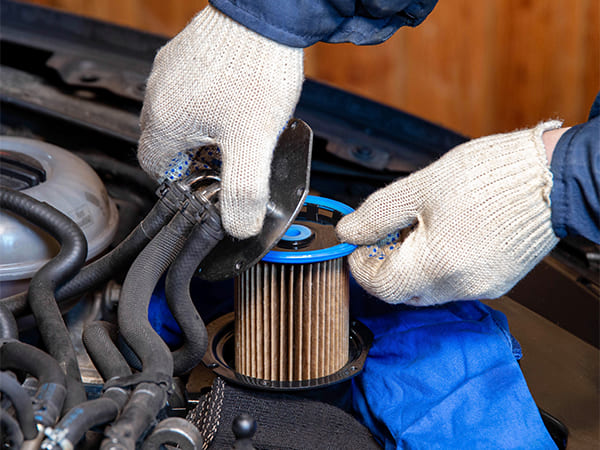
Your fuel system is made up of the tank, pump, lines, filter, injectors, intake valves, plus other parts that move gasoline from the tank straight to the engine.
- The fuel pump moves fuel from the tank.
- The fuel filter and lines ensure impurities don’t reach the injectors or engine.
- In most cars today, the injectors puff a delicate mist of fuel either into the intake runner or right into the combustion space, allowing it to mingle with air before it catches fire.
- Intake valves and the intake pathway allow air (and fuel, in older systems) to flow into the engine for combustion.
Because the fuel system plays such a central role, any disruption — deposits, clogs, spray‑pattern distortion, valve buildup — can degrade engine performance, fuel efficiency, emissions, and even engine lifespan.
Why High Altitude and Denver’s Conditions Make Cleaning More Important
Reduced Oxygen & Altitude Effects
- At about 5,280 feet, Denver crowns the plains. Climbing up to high altitudes thins the air and cuts down the amount of oxygen available.
- To get efficient combustion, an engine must receive the correct blend of fuel and air. Because the atmosphere is thinner at altitude, the spark plugs get less oxygen, making the burn sloppy, trimming horsepower and draining the tank faster. Research shows that climbing to thin‑air regions trims both performance and fuel economy noticeably.
- When you push the engine, the slightest slowdown in fuel flow or a smudge in the air intake becomes glaringly obvious and can be harmful.
Modern Engines Need More Attention
- Many modern cars use gasoline direct injection (GDI) — where fuel sprays directly into the combustion chamber, bypassing the intake port. While this improves efficiency and power, it also removes the “self-cleaning” effect that older port-injection engines had (where gasoline washing over intake valves helped keep them cleaner).
- As a result, carbon deposits and varnish buildup on intake valves, injectors, and fuel lines accumulate more quickly — even if you use high‑quality fuel.
- Over time, these deposits can significantly impair airflow, fuel spray quality, combustion efficiency — leading to reduced performance, rough idle, hesitation, or even misfires.
Given Denver’s altitude-related engine stress plus modern fuel‑injection realities, regular fuel system cleaning is more than just “nice-to-have.” It becomes essential preventive maintenance.
What Happens If You Skip Fuel System Cleaning
Neglecting your fuel system can lead to:
- Lower fuel efficiency — deposits force your engine to burn more gas.
- Reduced power — especially noticeable on mountain climbs and merges.
- Rough idle or stalling — caused by clogged injectors or valves.
- Higher emissions — inefficient combustion means more pollutants.
- Increased wear and costly repairs — buildup stresses key engine parts.
Bottom line: Skipping fuel system cleaning hurts performance, fuel economy, and your wallet.
Key Benefits of Regular Fuel System Cleaning for Denver Drivers
Getting your fuel system cleaned regularly offers several significant benefits — many of which are amplified by Denver’s altitude and typical driving conditions:
- Improved fuel efficiency and savings at the pump — cleaner injectors and valves lead to more complete combustion, meaning you burn less fuel for the same performance.
- With a more responsive engine, idle vibrations fade and acceleration sharpens. The combustion process becomes more efficient, delivering even power and a throttle that reacts without lag—advantages that shine when you’re scaling a grade or merging onto a fast lane.
- By burning fuel more completely, the engine releases fewer harmful gases, so the exhaust is cleaner, the air around us improves, and meeting emission standards becomes simpler.
- By scrubbing away sludge and easing pressure on sensitive components, routine maintenance extends engine mileage and trims the odds of facing a pricey rebuild down the road.
- More consistent performance at altitude — in environments like Denver where air density affects engine efficiency, a well-maintained fuel system helps compensate and maintains dependable performance. (Combine altitude‑impact knowledge with fuel system care to maximize benefits.)
What’s Actually Included in a Fuel System Cleaning?
Fuel system cleaning is more than just adding a store-bought cleaner — especially for today’s direct-injection engines common in Denver.
A professional cleaning usually includes:
- Injector flush to clear fuel spray blockages
- Intake valve cleaning to remove carbon buildup (critical for GDI engines)
- Combustion chamber service to restore airflow and combustion
- Fuel filter and line check for blockages or contaminants
Quick tip: Over-the-counter additives help with maintenance but won’t remove hardened carbon. Direct-injection engines often need hands-on cleaning to stay healthy.
When Should You Do It — How Often?
There isn’t one‑size-fits‑all answer — it depends on: your engine type (port injection vs direct injection), driving conditions (city, highway, altitude), fuel quality, and your driving habits. But general guidance from industry experts recommends:
- Every 15,000–30,000 miles for many modern vehicles (especially those with direct injection) as a preventive measure.
- Or more frequently if you notice symptoms: rough idle, hesitation, reduced power, poor fuel economy, or increased emissions.
- Use top‑tier / detergent gasoline whenever possible — cleaner fuel helps slow down buildup; clean fuel + periodic system cleaning = best long-term engine health.
If you live in or around Denver — with its altitude, mixed city and mountain driving, and variable fuel quality — erring on the side of more frequent inspections/cleanings can be especially wise.
What Denver Drivers Should Do Next
For drivers in Denver’s unique high‑altitude and mixed driving environment, fuel system cleaning is not optional — it’s smart preventive maintenance. It helps ensure your engine runs efficiently, saves fuel, reduces emissions, and avoids costly repairs down the road.
If you haven’t had a full fuel system inspection or cleaning in the past 15,000–30,000 miles — or if you notice sluggish acceleration, rough idle, or decreased fuel economy — now is the time. Schedule a proper fuel system clean-up (injectors, intake/valves, fuel lines) to keep your vehicle performing at its best.
If you’re ready for service, don’t hesitate — Salta Automotive stands ready to help ensure your car is mountain- and city-ready for Denver roads.
Frequently Asked Questions About Fuel System Cleaning in Denver, CO
Do I really need fuel system cleaning in Denver’s altitude?
Yes. At high altitudes like Denver, engines get less oxygen, which makes combustion less efficient. A clean fuel system helps compensate by ensuring proper fuel delivery and combustion.
Can fuel additives replace professional cleaning?
No. Additives help prevent buildup, but they can’t remove hardened carbon deposits — especially in modern direct-injection engines. Professional cleaning is needed for deep buildup.
How often should I clean my fuel system in Denver?
Every 15,000 to 30,000 miles. If you drive in the city or up into the mountains often, or have a GDI engine, consider cleaning on the lower end of that range.
What are the warning signs I need for a fuel system cleaning?
Watch for: Poor fuel economy, sluggish acceleration, rough idle, hesitation, or misfires. These symptoms point to clogged injectors or intake valve buildup.
Does cleaning the fuel system lower emissions?
Yes. A clean system burns fuel more completely, which reduces unburned hydrocarbons and harmful emissions — helping you pass emissions tests and protect the environment.