
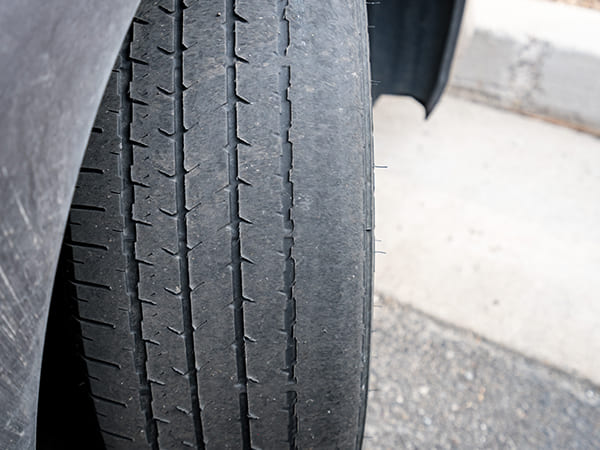
Your car struggles to move forward when the wheels are crooked. This unnecessary strain forces the engine to consume way too much gasoline. Misaligned wheels force your engine to work harder and burn through gas much faster. Local road wear makes alignment issues a regular part of owning a car here in Denver. Early correction protects fuel economy, tire life, and suspension components.
Why This Question Matters
Gas prices in Denver hit the wallet hard. Winter storms often mess with supply lines, causing prices at the pump to jump around when you least expect it. People usually blame a thirsty gas tank on motor trouble, soft tires, or a heavy foot. Many people forget about alignment, but crooked wheels make your tires fight the road. When tires do not track straight, they scrub against the road surface. That friction requires more power—more power means more fuel.
The impact may be subtle at first, but over thousands of miles, it becomes measurable.
How Wheel Alignment Affects Fuel Efficiency
Alignment refers to three primary angles:
- Camber – inward or outward tilt of the tire
- Toe – direction tires point relative to each other
- Caster – steering axis angle
For fuel economy, the toe is the biggest factor. If tires point slightly inward or outward, they drag as the vehicle moves forward. Imagine pushing a shopping cart with one wheel turned sideways. It takes more effort. That extra effort translates directly into higher fuel consumption.
How Much Fuel Economy Can You Lose?
The loss varies. Mild misalignment may reduce fuel efficiency by 1–2%. Severe toe misalignment can cause more significant losses, especially at highway speeds.
In our experience, drivers rarely notice the fuel change immediately. Instead, they notice:
- Tires wearing faster than expected
- Steering pulling slightly
- Reduced coasting distance
Fuel economy decline usually becomes clear only after several tanks of gas. In Denver, where cold winters and rapid temperature changes can affect tire pressure and alignment, this impact becomes even more pronounced.
Why Alignment Issues Are Common in Denver
Denver presents unique driving conditions:
- Potholes after freeze-thaw cycles: Denver experiences an average of 57.4 inches of snowfall annually. This causes frequent freeze-thaw cycles, leading to potholes that damage wheel alignment.
- Rough pavement in high-traffic areas: Frequent road construction and poorly maintained roads in Denver contribute to misalignment, as vehicles frequently encounter rough pavement and curbs.
- Expansion joints on highways: Denver’s highways, including those leading to mountain passes, are subject to expansion joints, which can gradually affect wheel alignment.
- Sudden elevation and grade changes: Denver’s location at over 5,000 feet of elevation causes frequent changes in road slope, placing added stress on the vehicle’s suspension system.
We frequently see alignment shifts after winter seasons. Even a moderate pothole impact can knock angles out of specification. All-wheel-drive European and Asian vehicles are especially sensitive to alignment because tire circumference consistency matters for drivetrain health.
Separating Alignment from Suspension Wear
Drivers often assume poor fuel economy means:
- Dirty air filters
- Failing oxygen sensors
- Engine performance issues
Sometimes that is true. But when poor fuel economy appears alongside:
- Uneven tire wear
- Steering wheel off-center
- Slight drift on straight roads
Alignment becomes a likely contributor. The key is separating alignment from suspension wear. If control arms or bushings are worn, alignment will not hold even after adjustment.
What Happens If You Ignore It?
Ignoring alignment problems creates layered consequences:
- Increased fuel use: Misalignment increases rolling resistance, forcing the engine to work harder and burn more fuel.
- Premature tire replacement: Tires wear unevenly, leading to more frequent replacements, which can be costly, especially with Denver’s rough road conditions.
- Suspension stress: Misalignment puts stress on suspension components, leading to more severe damage over time.
- Reduced stability in wet or snowy conditions: In Denver’s winter weather, proper tire contact matters. Misalignment reduces consistent tread contact, affecting traction and vehicle control.
Over time, tire replacement costs usually outweigh the cost of correcting alignment.
Preventive vs. Reactive Alignment Care
Preventive alignment checks make sense when:
- Installing new tires
- After suspension work
- After pothole impacts
- Every 12–18 months for daily drivers
Reactive alignment happens when tire wear is already visible. From a fuel-efficiency standpoint, preventive correction protects rolling resistance early, saving you money on fuel and tire replacements.
A Typical Fuel Efficiency Concern
A late-model Audi came in with slightly reduced fuel economy and mild steering drift. No warning lights. Inspection showed moderate toe misalignment on the front axle. Tire wear had just begun on the inner edges.
After alignment correction, steering stabilized and fuel consumption returned closer to previous averages. The owner likely would not have noticed the issue for several more months—until tire wear became obvious.
DIY vs. Professional Alignment
Alignment is not visually measurable. Proper evaluation requires:
- A calibrated alignment rack
- Manufacturer-specific angle specifications
- Suspension inspection
Adjusting tie rods without precise measurement is guesswork. Even small deviations matter, especially in modern European vehicles with tight tolerances, which are common in Denver’s high-altitude environment.
Does Alignment Always Affect Fuel Economy?
Not always. If misalignment is minor and primarily affects camber without significant drag, fuel impact may be limited. However, any toe-related issue almost always increases rolling resistance. Alignment is one factor among many—but it is a controllable one.
Final Thoughts on Alignment and Fuel Use
Wheel alignment does affect fuel use. When tires do not track straight, rolling resistance increases. That added drag reduces efficiency, shortens tire life, and places stress on suspension components. In Denver’s changing road conditions, alignment shifts are common. Addressing them early protects both fuel economy and long-term vehicle reliability. Preventive inspection remains the most practical way to manage this often-overlooked factor.
Professional Evaluation
If you’ve started noticing that you’re filling up your tank more often, or if your car seems to be pulling to one side, or you see that your tires are wearing down unevenly, checking your vehicle’s wheel alignment is definitely a smart and logical move.
Thinking about your car’s alignment? Here at Salta Automotive in Denver, we get it. You want to know if fixing your alignment is really worth the hassle for better gas mileage and saving your tires. Contact us and we’ll give your vehicle a thorough check-up to see if it’s just the alignment or if something deeper in the suspension needs a tweak.
Frequently Asked Questions
Can bad alignment really lower MPG?
Yes. Increased rolling resistance forces the engine to work harder, which increases fuel consumption over time.
How quickly does misalignment affect fuel economy?
It depends on severity. Significant toe issues can affect fuel efficiency immediately, while minor deviations show gradual impact.
Will new tires fix poor fuel economy if alignment is off?
No. New tires will wear unevenly and continue creating drag if alignment is not corrected.
Does AWD make alignment more important?
Yes. All-wheel-drive systems depend on consistent tire rotation and contact. Misalignment increases drivetrain stress.
Is alignment only necessary after hitting a pothole?
No. Normal suspension wear and seasonal road conditions can gradually shift alignment without a major impact.