
If you want your vehicle to handle those pothole-filled Colorado highways without shaking, you need a solid alignment. It saves your tires from balding early. Bad alignment ruins your fuel economy and chews through tire tread. Getting it fixed makes your car handle better and keeps your family safe. Mechanics often ask if you want a front-end or four-wheel alignment. Most modern cars actually require the full set to drive straight.
Picking the right part for your vehicle feels like a guessing game. You likely want to know how they differ so you can grab the best option at the shop. Relax. We wrote this simple manual to show you exactly how everything works. After reading this, you will know exactly which service your vehicle needs. You can talk to your mechanic with total confidence.
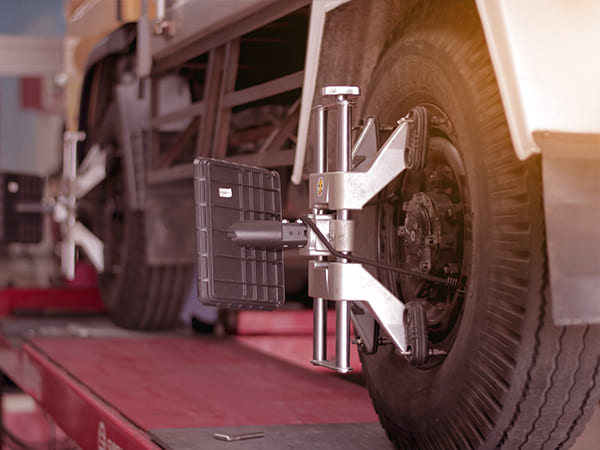
What is Front-End Alignment?
A front-end alignment involves adjusting the angles of your vehicle’s front wheels so that they are correctly positioned in relation to both the vehicle’s frame and each other. Essentially, it aligns the steering and suspension components to ensure proper vehicle handling.
Key Adjustments:
- Camber: The angle of the wheel in relation to the road when viewed from the front. If the top of the wheel tilts inward or outward, it can cause uneven tire wear.
- Toe: The inward or outward tilt of the tires as seen from a bird’s-eye view. Correct toe alignment ensures proper handling and reduces tire wear.
- Caster: The angle of the steering axis when viewed from the side. Proper caster alignment helps with steering stability, but it typically only affects the front wheels.
A front-end alignment is typically recommended if your vehicle has a two-wheel drive (2WD) setup, where only the front wheels steer the car.
What is Four-Wheel Alignment?
Four-wheel alignment, on the other hand, involves adjusting all four wheels of your vehicle to ensure they’re aligned properly. This service is recommended for all-wheel drive (AWD), four-wheel drive (4WD), or front-wheel drive (FWD) vehicles. A four-wheel alignment ensures that not just the front wheels, but also the rear wheels, are set correctly to the manufacturer’s specifications.
Key Adjustments:
- All the same adjustments as front-end alignment: Camber, toe, and caster are adjusted for all four wheels, ensuring each wheel is aligned correctly for optimal handling and tire wear.
While the process for a four-wheel alignment is more involved than a front-end alignment, it ensures that all tires are aligned correctly, especially if your vehicle is equipped with an independent suspension system on both the front and rear axles.
Front-End vs Four-Wheel Alignment: Which is Right for You?
Now that we’ve covered the basics of both types of alignment, let’s dive into when you need each:
- Front-End Alignment:
- Recommended for two-wheel drive vehicles (primarily older vehicles or those without independent suspension in the rear).
- Ideal when your car only has front-wheel drive or rear-wheel drive, and you’re only concerned with the front-end suspension and tire wear.
- Generally quicker and less expensive than four-wheel alignment.
- Recommended for two-wheel drive vehicles (primarily older vehicles or those without independent suspension in the rear).
- Four-Wheel Alignment:
- Required for AWD, 4WD, or FWD vehicles with independent rear suspension.
- Ensures proper alignment of all four wheels, which is especially important for vehicles with all-wheel drive or four-wheel drive systems.
- Vital if your car has noticeable steering issues or if your vehicle has adjustable suspension in both the front and rear.
- Required for AWD, 4WD, or FWD vehicles with independent rear suspension.
Benefits of Proper Alignment
Whether you choose a front-end or four-wheel alignment, both types offer significant benefits:
- Increased Tire Life: Misalignment causes uneven tire wear, which can lead to prematurely worn tires. A proper alignment ensures tires wear evenly, extending their life and saving you money.
- Improved Handling and Performance: If your car feels “off” or pulls to one side, a proper alignment can restore stability and handling, giving you a smoother and safer driving experience.
- Better Fuel Efficiency: When your wheels are misaligned, your car has to work harder to maintain straight-line motion, which decreases fuel efficiency. A properly aligned vehicle is more fuel-efficient, saving you money on gas.
- Safer Driving: Misaligned wheels can affect braking and steering, making your vehicle more difficult to control. Regular alignment checks ensure that your vehicle is stable and safer to drive, especially on Denver’s often unpredictable roads.
Case Study: The Importance of Alignment in Denver
In Denver, Colorado, where diverse road conditions, extreme weather, and mountain terrain can take a toll on your vehicle, alignment is even more critical. A study by the National Highway Traffic Safety Administration (NHTSA) found that improper wheel alignment can lead to hazardous driving conditions, especially in regions like Denver, where road debris and potholes are common.
Take the case of a local Denver resident who recently noticed their car pulling to the left after hitting a large pothole. After bringing their car to Salta Automotive, it was determined that the vehicle was suffering from misalignment due to the impact. The mechanic recommended a four-wheel alignment, which improved the car’s handling, eliminated the pulling, and significantly reduced tire wear.
Choosing the Right Alignment for Your Vehicle
In conclusion, choosing the right alignment – front-end or four-wheel – depends largely on the type of vehicle you drive. If you have a two-wheel drive vehicle, a front-end alignment might be all you need. However, if you have an AWD, 4WD, or FWD vehicle, a four-wheel alignment is crucial for maintaining proper vehicle performance.
Regular alignment checks are key to preserving tire life, improving fuel efficiency, and ensuring a smoother and safer ride. With Denver’s unique road conditions, it’s especially important to stay on top of alignment maintenance to protect your vehicle from unnecessary wear and tear.
Understanding the differences between front-end and four-wheel alignment will help you keep your BMW, Audi, or other vehicle in top shape for Denver’s roads. Whether you need a simple front-end alignment or a full four-wheel alignment, Salta Automotive is here to help. Our expert technicians can ensure that your car’s wheels are properly aligned for optimal performance, safety, and tire life. Don’t wait until you notice handling issues—schedule an alignment today!
FAQs
How often should I get an alignment for my car?
It’s recommended to have your alignment checked every 12,000 miles or at least once a year. If you notice your car pulling to one side or uneven tire wear, you may need an alignment sooner.
Can I drive with a misaligned vehicle?
While it’s possible to drive with a misaligned vehicle, it’s not recommended. Misalignment can cause uneven tire wear, decreased fuel efficiency, and compromised handling, which can lead to safety issues.
How do I know if my car needs a front-end or four-wheel alignment?
If your car is two-wheel drive, it likely only needs a front-end alignment. However, if you have a four-wheel drive or all-wheel drive vehicle, or if you’ve noticed issues with handling from all four corners, a four-wheel alignment is needed.
Can an Alignment Resolve a Steering Wheel Pulling Issue?
Yes, an alignment can often fix steering wheel pulling. However, if your alignment is fine and the issue persists, there could be another underlying issue, such as low tire pressure or suspension damage.
How long does an alignment take?
An alignment typically takes 30 minutes to an hour, depending on the type of alignment and the condition of your vehicle.