
Your vehicle’s electrical system is like its nervous system—quiet until something goes wrong, then it can totally disrupt your drive. In Denver’s climate, with altitude changes, variable weather, and plenty of stop‑and-go traffic, even minor electrical issues can become major headaches. In this post we’ll dive deep into how the electrical system works, what to watch for, how diagnostics are done, and what you should know to keep your car reliable and safe.
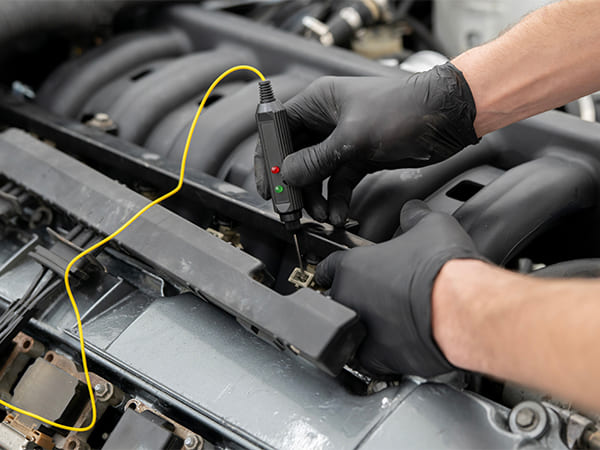
What Is an Electrical System Diagnostic and Why It Matters
An electrical system diagnostic is a systematic inspection of the circuits, battery, alternator, wiring, sensors and modules that power and control your car’s functions. In simpler terms: it finds the “why” behind weird behaviour like dim lights, erratic electronics, dashboard warnings or no‑start problems. According to one guide, the first step in any electrical diagnosis is verifying the battery condition.
Why this matters for Denver drivers:
- Altitude and temperature swings can strain batteries and charging systems
- Lots of short trips = less time for full charging of battery/alternator
- Electrical gremlins can leave you stranded on mountain roads or in heavy traffic
In other words: good diagnostics give you early warning and avoid bigger repair bills.
How the Car Electrical System Works – Core Components
To diagnose well, you must first understand what’s under the hood. Here are the major pieces:
- Battery:
- Stores electrical energy, provides initial power to start the engine and supply accessories when the engine is off.
- Stores electrical energy, provides initial power to start the engine and supply accessories when the engine is off.
- Alternator / Charging System:
- Once the engine runs, the alternator recharges the battery and powers electronics. A failing charging system leads to discharge while driving.
- Once the engine runs, the alternator recharges the battery and powers electronics. A failing charging system leads to discharge while driving.
- Starter & Primary Circuits:
- Huge current draw when starting; weak battery or poor connections here often trigger no‑start issues.
- Huge current draw when starting; weak battery or poor connections here often trigger no‑start issues.
- Fuses, Ground Connections & Wiring Harnesses:
- These distribute power safely to circuits—dirty grounds or broken wires can cause odd malfunctions.
- These distribute power safely to circuits—dirty grounds or broken wires can cause odd malfunctions.
- ECUs & Networked Modules:
- Modern cars have many electronic control units (ECUs) and data networks (CAN, LIN) that rely on stable power, good connections and proper sensor readings.
When any of those go wrong—battery weak, alternator failing, wiring corroded—it shows up as symptoms. Knowing the parts helps you understand the process of diagnostics.
Common Electrical Problems in Denver‑Area Cars
Here are electrical issues you’ll see often, especially around Denver:
- Battery Degradation & Charging System Issues: Batteries degrade over time; heat (Denver summers) and cold (winters) both shorten life. Weak charging systems mean battery drains even while driving.
- Corroded or Loose Connections / Poor Grounds: These cause intermittent problems like flickering lights, odd sensor behaviour, no‑start. One article points out poor ground connections can cause “No Crank / No Start.”
- Wiring Harness Damage or Shorts: Road debris, salt, off‑road driving in foothills can cause insulation damage. That leads to unpredictable faults.
- Sensor or Module Failures: Modern vehicles rely heavily on sensors and modules—when power is unstable or wiring fails, sensors drop out producing warning lights and performance issues.
- Parasitic Battery Drain: If something stays powered when it shouldn’t (glove box light, domelight, aftermarket wiring), you wind up with a dead battery next morning. Diagnostic voltage‑drop testing is key.
These issues often look subtle at first—dim lights or slow cranking—but evolve into big problems if ignored.
Diagnostic Process: What Technicians Do
Here’s a breakdown of how professionals diagnose electrical system issues:
- Preliminary Inspection:
Technician checks battery voltage (should ~12.6V at rest), alternator output (~13.7‑14.8V running) and overall condition.
- Check Grounds, Connections and Fuse Circuits:
Often the culprit is a corroded terminal or loose ground strap.
- Load & Voltage‑Drop Testing:
Under load, measure voltage drop across circuits to find poor connections or high resistance.
- Wiring and Harness Inspection or Tracing:
Using wiring diagrams and proper tools, techs trace circuits that fail or behave erratically.
- Module/ECU and Sensor Check:
Using scan tools via OBD‑II connectors, read codes and data to identify failing modules or sensors.
- Repair and Verification:
After replacing/fixing wiring, connectors, batteries or modules—technician retests under real‑world conditions.
This systematic process ensures root causes get addressed—not just symptoms.
Real‑World Case Study: Denver Commuter Electrical Repair
Scenario: Maria drives a crossover in the Denver metro and regularly commutes between Westminster and Downtown Denver. She noticed occasional dim dash lights when she turned on high‑beam and a slow crank during cold morning starts.
Diagnosis: Tech found the battery at 11.8 V at rest (should be ~12.6 V), the alternator output only 12.5 V under load, and a ground strap at the engine block that was loose and corroded.
Repair Steps: Replaced battery (old one beyond 5 years), tightened and cleaned the ground strap, replaced alternator belt and alternator output tested to 14.4 V.
Outcome: Dash lights remained stable even at night, starting to improve on cold mornings, and Maria avoided a potential no‑start situation before a mountain weekend.
Takeaway: In Denver, frequent short trips and cold starts increase strain—simple fixes like battery + ground strap saved major inconvenience.
Top Benefits of Regular Electrical System Checks
- Reliability: You reduce risk of unexpected breakdowns, especially important when driving across Colorado’s varied terrain.
- Safety: Faulty electrical systems can affect lighting, brake sensors, airbags and other critical components.
- Cost‑Effectiveness: Identifying root cause early prevents expensive module replacements down the line.
- Performance & Efficiency: A properly functioning electrical system ensures your car runs optimally, your battery stays charged and accessories work as designed.
- Peace of Mind for Denver Terrain: Given the altitude shifts, mountain driving and weather changes, you want your vehicle’s electrical backbone sound.
Electrical System Takeaways for Denver Drivers
Diagnosing and maintaining your car’s electrical system in Denver isn’t just a nice‑to‑have—it’s essential. When you understand how the system works, stay alert to early signs (dim lights, slow crank, flickering), and get diagnostics done by professionals when needed, you keep your vehicle safe, reliable and ready for whatever Colorado roads throw at you. Don’t wait until you’re stranded in the foothills—make electrical health part of your maintenance routine.
Ready to inspect your vehicle’s electrical health? If you’re ready to ensure your car’s electrical system is up to the demands of Denver roads and mountain terrain, contact our team at Salta Automotive. Explore more articles on diagnostics, battery care and vehicle maintenance today.
Quick Answers: Electrical System Questions from Denver Drivers
Why does my car battery lose charge faster in Denver?
High altitude, temperature swings and frequent short drives (engine doesn’t fully recharge the battery) all contribute to faster battery drain.
What does a slow crank mean for my car in Denver?
A slow crank typically signals a weak battery, poor connection (ground strap) or a charging system problem—especially critical before mountain drives.
How often should I get an electrical system diagnostic in Denver?
For Denver driving conditions, consider a full electrical check every 12‑24 months or if you notice signs like flickering lights or warning lamps.
Can I check my car’s electrical system myself before driving into the mountains?
Yes—check battery resting voltage (around 12.6V), inspect terminals for corrosion, and ensure lights and accessories operate properly. But complex issues need a technician.
Is it okay to drive with a dim dashboard or flickering lights in Denver?
No. While it might seem minor, odd electrical behaviour often precedes a bigger failure—especially in challenging Denver terrain—so get it checked promptly.