
Did you know that Audi and Volkswagen owners in Denver report drivetrain issues more often than average drivers—especially after 80,000 miles? With Denver’s mix of highway speeds and mountain-area stops, drivetrain reliability is critical. Whether you’re hearing clunks over potholes or noticing lag in acceleration, drivetrain repair for German cars is something you need to take seriously.
Through this resource, you’ll discover how to spot potential drivetrain issues, gain a clear understanding of the repair process tailored to German engineering, and learn why addressing problems early can protect your Audi or VW from major failures—especially on Denver’s challenging roads.
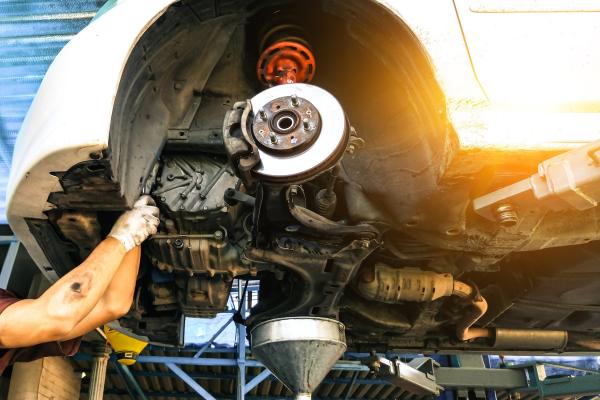
What Is Drivetrain Repair for German Cars?
“Drivetrain” covers all components that transfer power from the engine to the wheels:
- Transmission (manual DSG or automatic)
- Driveshafts & CV joints
- Differentials (front, rear, or AWD)
- Transfer cases (mostly in VWs)
- Clutches and torque converters
In German vehicles like Audis and VWs, these components are precision-engineered—meaning mileage wear, contamination, or software glitches can quickly knock the system out of sync.
The Diagnostic & Repair Process
- Collect history & symptoms
Start with a detailed conversation. Ask about symptoms like vibration under acceleration, clunking at low speeds, hesitation shifting into gear, or drivetrain strain during Colorado’s uphill drives. Knowing the context helps pinpoint root causes faster.
- Road test evaluation
Take the vehicle through real-world conditions. Record any driveline vibration, audible clunks when changing gears or reversing, and delayed or harsh shifts in both Sport and Drive modes. Note how the vehicle responds to throttle input and load changes.
- Fluid inspection
Examine both transmission and differential fluids. Look for signs of trouble: burnt odor, discoloration, foaming, or visible metal shavings. These are early indicators of overheating, friction wear, or seal breakdown.
- Scan for fault codes & software updates
Use an advanced OBD-II scanner to check for stored or pending fault codes in the transmission control module (TCM). Pay attention to DSG actuator alerts and verify that the all-wheel-drive (AWD) system software is current—especially important for Audi Quattro models.
- Component inspection & testing
Raise the vehicle and physically inspect drivetrain components. Check driveshafts and CV joints for looseness, play, or torn boots. Examine differential mounts, bearings, and axle seals for wear, leaks, or misalignment.
- Repair or replace parts
Based on findings, perform targeted repairs: rebuild or replace the transmission, swap failing CV axles or driveshafts, reseal differentials, or flush and refill fluids with manufacturer-approved (OEM) products. Use torque specs and procedures that match Audi/VW standards.
- Validation & final road test
After repairs, complete a final road test under varied conditions. Confirm symptom resolution—no clunks, no slipping, and no new codes. Use vibration analysis tools if needed to verify smooth operation and optimal drivetrain balance.
Why Early Drivetrain Repair Saves You Money (and Headaches)
- Restored performance: Enjoy smooth acceleration and responsive handling on Denver’s varied terrain.
- Lower repair bills: Replace worn components before catastrophic failure—saving you from rebuilds costing thousands.
- Safety & predictability: Avoid sudden loss of drive or gear lock during highway overtakes or mountain inclines.
- Better resale value: A well-maintained drivetrain enhances vehicle longevity and buyer confidence.
Real-World Case Study: 2015 Audi Q5 AWD Vibration Fix
The Problem
A Denver driver reported vibration while accelerating from stops, especially on mountain grades. The vehicle also hesitated briefly during shifts.
Diagnosis
- The fluid was dark with metallic particles indicating premature wear.
- CV joints showed play, and scan found DSG code for clutch hesitation.
Repair
- Complete fluid change with OEM DSG oil.
- Replaced both CV axles and DSG mechatronic gaskets.
- Cleared codes and updated control module software.
Result
The Q5 regained its smooth, quiet ride—no more vibration, consistent power shifts, and confident launches up mountain passes around Denver.
Drivetrain Failure Trends: What the Data Tells Us
According to a recent market report by AutoTrends Analytics, demand for drivetrain service is rising—especially in German brands like VW and Audi—due to the complexity of AWD systems and dual-clutch gearboxes.
- The report highlights that DSG and dual-clutch transmissions in Audi and VW vehicles are particularly prone to electrical and mechanical issues when maintenance is skipped.
- AutoTrends’ 2024 reliability survey ranks Audi and VW among the bottom 10 brands for engine and drivetrain dependability, citing failure rates of 1 in 27 for Audi engines and 1 in 52 for VW powertrains.
- These findings make one thing clear: timely drivetrain inspections and maintenance can prevent major repair costs and performance issues down the road.
Precision Repairs Start with a Trusted Inspection
Drivetrain issues in Audis and Volkswagens demand attention—especially around Denver’s diverse driving conditions. With the right inspection and repairs, rebuilds can be avoided. Detecting problems early ensures smooth driving performance, prolonged component life, and financial peace of mind.
Experience issues with your Audi or VW’s drivetrain—like vibration, hesitation, or leaks? Bring your vehicle to Salta Service & Performance in Denver, CO. Our team specializes in German car drivetrain diagnostics and repairs, offering precision work and OEM-quality parts. Schedule your inspection today and drive with confidence.
By walking you through drivetrain repair logic, real-world examples, and supporting industry insights, this guide arms Denver’s German car owners with the knowledge they need—and shows why Salta Service & Performance is the right team for service and repairs.
FAQs
1. How often should I service my VW/Audi transmission or AWD system?
Every 40,000–60,000 miles for fluid changes. Inspect CV joints, driveshafts, and differentials at least every 30,000 miles or annually.
2. Can a simple fluid change fix performance issues?
Sometimes—if symptoms are early (mild vibrations, slight hesitation), a fluid and filter change with OEM specs might resolve them without part replacement.
3. What are signs of imminent clutch risk in DSG units?
Look for rough or delayed shifts, jerks between gears, and lights or codes in transmission software. These often precede major failures.
4. Are rebuilds necessary for drivetrain noises?
Only if worn bearings, chipped gears, or damaged differentials are confirmed. Many drivetrain noises come from bad fluids or CV joints—replace those first.5. Do dealership repairs cost more than specialists?
Usually. Independent shops like Salta offer Audi/VW expertise with fair pricing, OEM fluids, and warranty-backed work—often at a lower cost than dealerships.