
Commuting on I-76 subjects BMW engines to intense heat cycles. When constant highway speeds are followed by sudden parking, the resulting thermal stress accelerates the wear on rubber seals and cooling hoses. A Digital Vehicle Inspection captures visual evidence of this degradation, allowing drivers to catch thermal fatigue early, avoid unexpected breakdowns, and maintain peak reliability for demanding mountain travel.
When I am inspecting a BMW that spends most of its life cruising down I-76 into Denver, the dashboard usually looks perfectly fine. However, under the hood, the story is often very different. The intense transition from high-speed highway driving to sudden parking—known as highway heat cycling—silently ages your engine.
Let’s look at exactly why this happens, how different materials react to temperature changes, and how photo-documented inspections catch these developing issues early.
Understanding Highway Engine Heat Cycles
A heat cycle is the process of your engine warming up to its operating temperature and then cooling back down. For daily commuters on I-76, this cycle is particularly extreme.
When you are driving 70 miles per hour, your engine works hard, but massive amounts of airflow rush through the grille to keep everything cool. The real stress happens the moment you exit the highway and park. That 70 mph cooling breeze instantly disappears, but the engine is still radiating intense heat. This causes a massive temperature spike under the hood—known as “heat soak”—before the vehicle finally begins to cool down.
Modern BMW engines are built using a complex mix of materials:
- Aluminum and magnesium engine blocks
- Synthetic plastic cooling components
- Rubber gaskets and hoses
Because these materials expand and contract at vastly different rates during that heat soak, immense physical stress occurs right where they join together. Over thousands of miles of highway commuting, this thermal stress quietly tests the structural integrity of your engine’s sealing components long before a warning light ever appears.
How Heat Cycles Affect Gaskets and Seals
Your BMW relies on a network of rubber gaskets to keep oil and coolant where they belong. During routine inspections, I always pay close attention to the valve cover gasket and the oil filter housing gasket.
During that post-highway heat soak, these rubber seals become extremely pliable. When the engine finally cools in your driveway, they shrink. Repeating this daily bakes the flexibility right out of the rubber. The seals gradually turn into brittle plastic that can no longer expand to seal against the engine block.
A Digital Vehicle Inspection (DVI) photo often reveals a small amount of oil weeping from these hardened seals. This is a typical Yellow finding. It is not an immediate emergency, but the visual evidence allows you to plan for future service before it becomes an active, messy leak on your garage floor.
The Impact of Heat on Hoses and Cooling System Components
The cooling system works incredibly hard during daily highway commutes and weekend trips to the mountains. Your BMW uses plastic expansion tanks and rubber hoses to route hot, pressurized coolant.
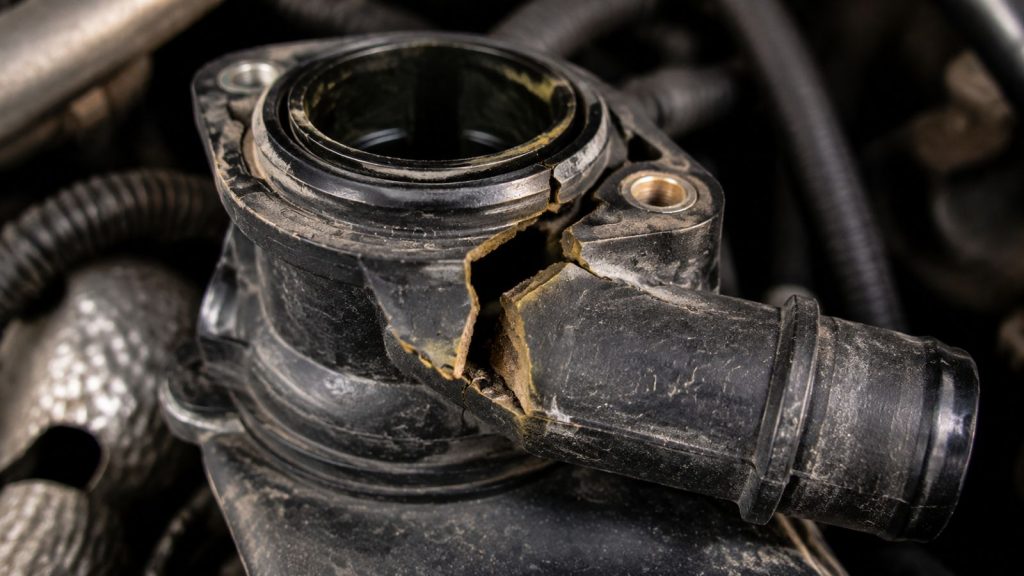
Over years of expanding during heat soak and contracting overnight, these plastic structures can develop microscopic hairline fractures. During our inspections, we frequently find rubber hoses that perform adequately during short local drives but are beginning to swell near the connection points. This is a clear sign they are losing their internal reinforcement.
Capturing high-resolution photos of these aging components provides transparent evidence. Catching a swollen hose early prevents unexpected overheating when you are miles away from home.
Common Warning Signs for BMW Daily Commuters
Many developing heat cycle issues will not trigger dashboard warning lights right away. However, there are subtle signs of thermal degradation you can watch out for:
- A faint burning oil smell through the vents is often the first sign of a brittle valve cover gasket.
- Unexplained drops in engine coolant without seeing a visible puddle on the ground.
- Crusty white residue around hose connections.
- A sudden spongy feeling when squeezing the upper radiator hose.
If you notice any of these indicators, a thorough visual inspection will show you exactly what is happening under the hood so you are never left guessing about your vehicle’s health.
Preventative Measures for BMW Owners
An effective defense against heat cycle damage is a proactive approach to vehicle maintenance. This is why utilizing a Digital Vehicle Inspection is highly recommended for modern European vehicles.
A comprehensive DVI uses a simple grading system for full transparency:
- Green means the component is operating normally at the time of inspection.
- Yellow means a gasket or hose is showing signs of thermal fatigue and should be monitored or planned for future service.
- Red items require immediate attention due to safety or reliability concerns.
Industry standards often recommend replacing heavily heat-cycled plastic cooling components—like the water pump and thermostat—around the 80,000-mile mark. Photo-documented reports ensure you see exactly what the technician sees, making preventative care a collaborative, educational process rather than a stressful surprise.
Why Ignoring Heat Cycle Issues Can Lead to Expensive Repairs
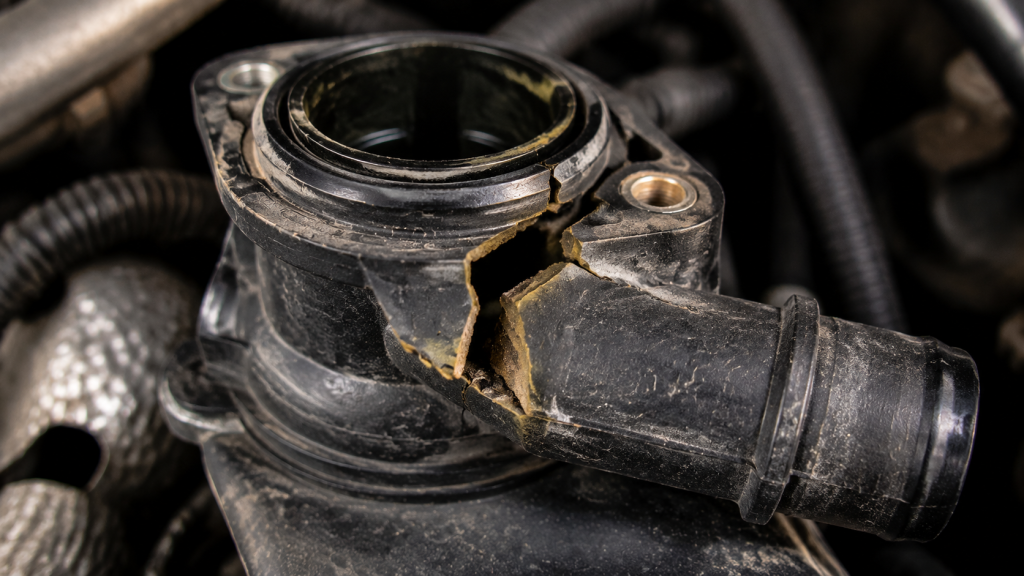
Understanding thermal fatigue helps you avoid emergency situations. A brittle plastic coolant fitting is a simple, straightforward replacement when planned for during a routine inspection.
However, if that same fitting shatters completely while driving at highway speeds on I-76, the engine rapidly loses coolant. The resulting overheat event can severely warp the aluminum cylinder head or cause permanent engine block damage. Similarly, a neglected oil leak from a hardened gasket can drip directly onto the hot exhaust manifold, creating a dangerous fire hazard.
Addressing thermal wear early protects the engine from catastrophic failure and ensures the vehicle remains reliable for your daily commute.
Recommended Practices for Denver Highway Commuters
Driving at highway speeds followed by sudden parking amplifies thermal stress. You can minimize this daily wear with a few simple habits:
- Idle before shutdown: After a long drive on I-76, let the engine idle for about thirty seconds before turning it off. This keeps the water pump running, helps circulate oil, and greatly reduces localized heat soaking.
- Park in the shade: Use a garage or shaded area whenever possible to keep baseline engine temperatures lower before starting your commute.
- Clear the airflow: Ensure the front grilles remain free of leaves and debris to maximize highway airflow over the radiator.
- Monitor fluids: Regularly check your coolant and oil levels to catch the early stages of a thermally degraded gasket.
Schedule a Digital Vehicle Inspection in Denver
If your BMW handles the daily I-76 commute, do not wait for a dashboard warning light to check your cooling system. A professional Digital Vehicle Inspection provides the photo and video documentation you need to make informed maintenance decisions.
You can book an inspection at Salta Automotive to identify thermal wear early, protect your engine, and travel with absolute confidence. Drop by and visit the shop at 1001 E 75th Ave UNIT A, Denver, CO 80229 to ensure your vehicle is fully prepared for the road ahead.
Frequently Asked Questions
How often should I replace BMW cooling system components
For preventative care, it is highly recommended to replace heavily heat-cycled plastic cooling components, like the water pump and thermostat, around 80,000 miles to prevent sudden failures.
Can synthetic oil help reduce engine heat
Yes. High-quality synthetic oil resists thermal breakdown much better than conventional oil, helping to regulate internal temperatures and protect critical engine parts during heat cycles.
What causes the burning smell in my BMW
A burning smell typically indicates that a thermally degraded rubber gasket is allowing a small amount of engine oil to seep out and drip directly onto a hot exhaust component.
How Denver elevation affects BMW engine heat cycles
Climbing steep elevations intensifies BMW heat cycles by forcing the engine to work harder under higher loads. This generates extreme internal heat, causing a much more severe post-drive heat soak when you park.