
As temperatures rise in late spring, BMW cooling systems, especially electric water pumps, thermostats, and coolant sensors, can experience failures. This blog outlines how to diagnose these issues early using pressure testing, coolant leak detection, and scan data to prevent overheating and engine damage, particularly for Denver drivers.
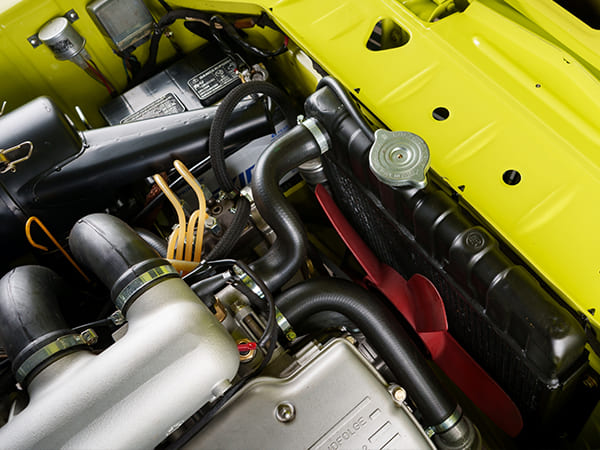
Cooling System Failures as Summer Approaches
In Denver, the transition from spring to summer can bring rapid temperature changes, putting stress on your BMW’s cooling system. BMW vehicles, especially newer models, rely on electric water pumps, thermostats, and coolant sensors to maintain engine temperature. However, these components are prone to failure as temperatures climb.
Common symptoms of cooling system failures include:
- Overheating: The engine temperature gauge spikes or you see the “Check Coolant” warning light.
- Poor Air Conditioning Performance: If the coolant system isn’t functioning properly, the A/C might not cool efficiently.
- Loss of Power: Overheating can trigger limp mode, where the car reduces engine power to prevent further damage.
- Coolant Leaks: Visible coolant puddles under your car or low coolant levels might be signs of a leak in the system.
Ignoring these symptoms during the warmer months can lead to serious engine damage or complete system failure.
Why It Matters: The Risks of Cooling System Failures
A failing cooling system, particularly during Denver’s hot summers, can have significant consequences for BMW owners:
- Engine Damage: Overheating can lead to warped heads, damaged gaskets, and even engine failure, all of which are costly to repair.
- Increased Downtime: If your car overheats or breaks down on the road, it can result in long periods of downtime and the need for expensive repairs.
- Safety Concerns: Overheating can lead to a complete failure of the engine or loss of power, which can be dangerous while driving, especially in traffic or on the highway.
- Environmental Impact: Leaking coolant not only damages the vehicle but also can harm the environment.
The consequences of neglecting the cooling system could include not just high repair bills but also a vehicle that becomes unreliable or unsafe to drive.
How BMW Cooling Systems Work
BMW’s cooling systems are designed to keep the engine just right for top performance and long life. It uses pumps, thermostats, and sensors to manage the heat:
- Electric Water Pump: These are run by the car’s electronics (not belts) and are super efficient, but they can quit due to electrical glitches or just wearing out.
- Thermostat: This little valve controls coolant flow, making sure your engine warms up fast and stays at the perfect temperature. A bad one means your engine runs too hot or too cold, hurting performance.
- Coolant Sensors: They track the coolant temperature and report to the engine computer (ECU). If they fail, the system might not react to heat changes, leading to overheating.
If any of these parts give up, the cooling system can’t do its job, which often leads to overheating or other serious issues.
Common Cooling System Failure Points in BMWs
Several components are prone to failure in BMW’s cooling system, especially as temperatures rise in Denver:
- Electric Water Pump: These pumps can fail due to electrical issues or wear over time. Failure of the water pump prevents the coolant from circulating properly, leading to overheating.
- Thermostat: A malfunctioning thermostat can either stay closed, preventing coolant from flowing, or stay open, causing the engine to overcool.
- Coolant Leaks: Leaks in hoses, radiators, or around the pump can lead to coolant loss, which reduces the system’s efficiency and leads to overheating.
- Coolant Sensors: Faulty sensors can misreport temperatures, allowing the engine to overheat without triggering an alert.
These components are interdependent, so if one fails, it can put additional strain on the others, increasing the risk of a full system failure.
Symptoms vs. Real Causes: Diagnosing Cooling System Failures
Many BMW drivers may experience symptoms of overheating or poor performance, but under
| Symptom | Possible Cause | What’s Happening |
| Overheating | Failed water pump, stuck thermostat, or coolant leak. | Engine temperature is rising too high—a serious sign. |
| Poor A/C | Cooling system issue affecting engine temp regulation. | Your A/C struggles because the engine is too hot. |
| Coolant Puddles | Leak at the radiator, hoses, or pump seals. | That colorful puddle means you’re losing vital coolant. |
| Loss of Power | Overheating triggers the engine’s “limp mode.” | The car is protecting itself because the engine is too hot. |
Proactive Cooling System Maintenance: Key Tips for BMW Owners
Preventing cooling system failures involves early detection and regular maintenance. Here’s what you can do:
- Regular Cooling System Inspections: Before the hot months hit, have your BMW’s cooling system inspected, including checking the water pump, thermostat, and hoses for wear.
- Pressure Testing: Pressure testing can help detect leaks and ensure the system holds coolant under normal operating conditions.
- Coolant Flush: Periodically flushing the coolant system and replacing old coolant helps maintain system efficiency and reduces the risk of buildup or leaks.
- Scan Data Review: Use a scan tool to review data from coolant sensors and verify that the system is functioning properly.
By taking these steps before summer, you can avoid costly repairs and ensure your cooling system is ready for the heat.
Cooling System Failures in Denver
In Denver, with its high-altitude and hot summer temperatures, cooling system failures are a common issue we see in BMWs. The altitude can affect the pressure and temperature at which coolant operates, making proper cooling even more critical. Additionally, the combination of frequent temperature changes between seasons can place extra strain on components like the electric water pump and thermostat.
We recommend regular cooling system maintenance for Denver BMW owners to avoid breakdowns, especially as temperatures rise and summer driving demands increase.
Contact Salta Automotive for Cooling System Diagnostics
If you’re noticing signs of cooling system trouble, it’s essential to have it diagnosed by professionals before Denver’s summer heat sets in. At Salta Automotive, we specialize in diagnosing and repairing BMW cooling systems, using the latest technology and methods to ensure your vehicle stays cool and efficient. Contact us today for a thorough cooling system inspection.
FAQs About BMW Cooling System Failures
How can I tell if my BMW cooling system is failing?
Look for symptoms like overheating, poor A/C performance, coolant leaks, or a loss of engine power. If you notice any of these, it’s time to have the system checked.
How often should I replace my BMW’s coolant?
It’s recommended to flush the cooling system and replace the coolant every 3 to 5 years, or as specified in your vehicle’s manual.
Can I drive my BMW if the cooling system is failing?
Driving with a failing cooling system is not recommended, as it can lead to engine damage. If you notice overheating or other symptoms, it’s best to stop driving and have your vehicle checked immediately.
What is pressure testing, and why is it important?
Pressure testing helps identify leaks in the cooling system and ensures the system can maintain proper pressure. It’s an essential diagnostic tool to detect issues before they cause major damage.
What happens if I ignore cooling system issues?
Engine overheating from neglected cooling system problems can result in serious damage, often leading to expensive engine repairs or complete replacements.
Protecting Your BMW from Summer Cooling Issues
Cooling system failures can be a major issue for BMW owners, especially as Denver’s summer temperatures rise. Regular maintenance, including pressure testing, coolant checks, and scans, is essential to prevent overheating and other issues. Addressing small problems early can save you from costly repairs and ensure your vehicle runs smoothly all summer long.