
Modern BMWs rely on interconnected control modules that can trigger electrical fault codes when issues arise. Diagnosing these faults requires specialized tools, including scan tools, circuit testing, and communication network analysis. This blog explains how BMW technicians identify and resolve electrical problems, helping to maintain vehicle performance and safety.
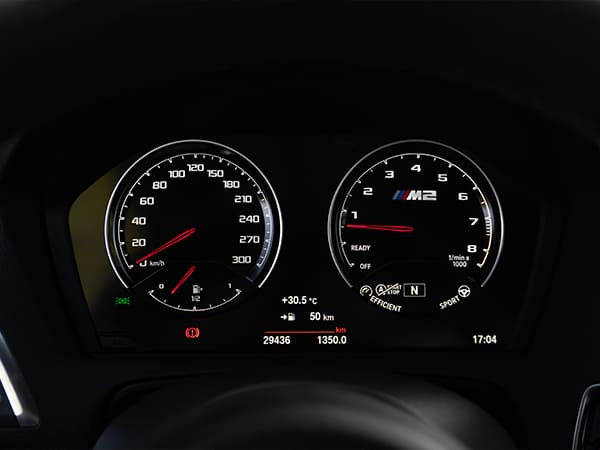
Understanding Electrical Faults in BMWs
BMW vehicles rely on intricate electrical systems with many control modules managing key functions like the engine and transmission. When a module fails or communicates incorrectly, it throws a fault code, indicating a needed repair.
Signs that your BMW might have an electrical fault include:
- Dash Warnings: You’ll likely see a “check engine” or “service vehicle soon” light pop up.
- Feature Malfunctions: Things stop working correctly—think issues with your A/C, power windows, or even the infotainment screen.
- Odd Driving Behavior: The car might shift strangely, misfire, or suddenly lose power.
- Poor Performance: The vehicle could stall unexpectedly, idle roughly, or accelerate erratically.
Don’t ignore these early signs. Addressing them quickly can prevent more serious driving problems, save you from costly repairs, and keep your BMW on the road.
Why It Matters: The Risks and Costs of Electrical Faults
Electrical faults in BMWs can cause a cascade of issues throughout the vehicle, affecting both performance and safety. Here’s why addressing them is crucial:
- Decreased Performance: Fault codes indicate system malfunction, potentially causing poor fuel economy, reduced power, or stalling (e.g., fuel system module failure).
- Safety Risks: Electrical issues can compromise critical safety systems like airbags or stability control.
- Increased Repair Costs: Unchecked electrical problems can damage other vehicle systems, leading to expensive repairs.
- Vehicle Downtime: Electrical failures can make your vehicle undrivable. Early diagnosis prevents long downtime.
Proactively diagnosing electrical faults ensures both the safety and longevity of your vehicle while saving you money on repairs.
How BMW Electrical Systems Work: The Basics
BMW vehicles operate on a network of interconnected control modules that communicate continuously to manage vehicle functions. The CAN Bus serves as the central communication network, allowing modules to exchange data in real time. It links every module together, passing vital information back and forth to keep your drive steady and predictable.
Key components of the electrical system include:
- Engine Control Module (ECM): The ECM controls engine functions like fuel injection, ignition timing, and emissions.
- Transmission Control Module (TCM): The TCM controls gear shifts and optimizes transmission performance.
- Body Control Module (BCM): This module manages the vehicle’s lights, wipers, and climate control.
- Diagnostic Trouble Codes (DTCs): When a module detects a fault, it stores a code in the system, which can then be retrieved using a scan tool to pinpoint the issue.
Because everything connects, a single glitch often triggers a chain reaction across the car. Accurate diagnosis requires systematic testing to isolate the root cause.
How BMW Technicians Diagnose Electrical Faults
BMW electrical diagnostics follow a structured process to accurately isolate the root cause of a fault rather than relying on code reading alone.
- Scan Tool Analysis: Technicians use BMW-specific diagnostic software to retrieve fault codes, freeze-frame data, and live sensor data from multiple control modules. This helps identify when and where a fault occurred.
- Circuit Testing: Electrical circuits are tested for proper voltage, resistance, and continuity to pinpoint wiring faults, poor connections, or failed components.
- Module Communication Checks: The CAN Bus network is evaluated to confirm that all control modules are communicating properly. Communication faults may indicate wiring issues, network interruptions, or module failures.
- Guided Diagnostic Procedures: BMW diagnostic systems provide test plans that guide technicians through step-by-step troubleshooting based on stored fault data, ensuring accurate and efficient repairs.
What Commonly Goes Wrong: Common BMW Electrical Failures
Electrical faults in BMWs typically arise from several key failure points:
- Faulty Control Modules: Over time, control modules can malfunction due to exposure to heat, moisture, or simply wear and tear. For instance, a malfunctioning ECM might cause the engine to run poorly or misfire.
- Wiring and Connections: Loose or corroded wiring connections can interfere with signals between control modules, leading to a loss of functionality or miscommunication between the systems.
- Sensors and Actuators: Sensors that feed data into control modules can fail, causing inaccurate readings that lead to poor vehicle performance.
- Communication Failures in the CAN Bus: Since the CAN Bus facilitates communication between modules, issues with the bus—such as damaged wiring or interference—can cause a range of problems, from warning lights to erratic vehicle behavior.
Understanding where these faults typically occur can help technicians quickly identify and resolve issues before they worsen.
Symptoms vs. Real Causes: Diagnosing Electrical Problems
It’s important to distinguish between symptoms and the root causes of electrical issues. Here’s a breakdown:
| Symptom | Possible Problem Area |
| Dashboard Lights On | Oxygen sensor, alternator, or other serious mechanical/electrical issue. |
| Something’s Stopped Working (Radio, windows, etc.) | Control module or simple wiring fault. |
| Car Feels “Off” (Rough/Sluggish Running) | Engine Control Module (ECM) or sensor malfunction. |
| Confused Modules (Car acting strangely) | Complex internal communication issue between vehicle computers. |
Preventive Logic and Best Practices for Electrical System Health
To avoid electrical faults in BMW vehicles, especially as they age, consider the following best practices:
- Regular Scans: Regularly scanning your BMW’s control modules can detect fault codes early, even before symptoms appear. This proactive approach can help identify small issues before they become major problems.
- Keep Wiring and Connections Clean: Ensure all wiring and electrical connections are free from corrosion or damage. Regularly inspecting these areas can prevent intermittent issues that may affect vehicle performance.
- Maintain Battery Health: A weak or dying battery can cause electrical issues that affect multiple systems in the vehicle. Make sure your battery is in good condition and properly charged.
- Use OEM Parts: When replacing any electrical components, it’s crucial to use high-quality, OEM parts to ensure compatibility and avoid future issues with the control modules.
By taking these preventive steps, you can extend the lifespan of your BMW’s electrical system and avoid unexpected breakdowns.
Local Considerations for Denver Drivers
Temperature fluctuations in Denver can place added stress on a vehicle’s electrical system. Cold weather can reduce battery performance and increase resistance within electrical circuits, while heat can accelerate wear in wiring insulation and control modules. These conditions make regular electrical system inspections especially important for BMW owners to prevent unexpected faults and maintain consistent performance.
Contact Salta Automotive for Expert Diagnostics
If you’re experiencing electrical issues or warning lights in your BMW, Salta Automotive is here to help. Our experienced technicians specialize in diagnosing and repairing electrical faults using advanced tools and techniques. Contact us for a professional evaluation and ensure your vehicle stays in top working condition.
FAQs About BMW Electrical Faults and Module Diagnostics
How can I tell if my BMW has an electrical fault?
Look for warning lights on the dashboard, unresponsive vehicle features, or poor performance such as rough idling or stalling. A diagnostic scan can pinpoint the exact issue.
What is a diagnostic scan and why is it important?
A diagnostic scan uses specialized tools to read the vehicle’s fault codes. It helps technicians identify issues with the electrical system, including faulty modules or wiring, which is essential for accurate repairs.
Can I fix electrical issues in my BMW myself?
Electrical issues often require professional expertise due to the complexity of the systems. DIY repairs can lead to further damage or complications. It’s best to consult a trained technician.
How often should I have my BMW’s electrical system checked?
It’s recommended to have your electrical system scanned during routine maintenance, or whenever you notice symptoms like warning lights or vehicle malfunctions.
What happens if I ignore an electrical fault in my BMW?
Ignoring electrical faults can lead to worsening performance, increased repair costs, and potential safety hazards. It’s best to address any issues as soon as they arise.
Final Insights: Electrical Fault Diagnosis for BMW Owners
Electrical faults in BMWs are often due to malfunctions in interconnected control modules. Diagnosing these faults early using scan tools and circuit testing can help prevent costly repairs and ensure your vehicle’s performance. Regular maintenance, including periodic electrical system scans, is key to keeping your BMW running smoothly and safely.