
Suburban driving near Buffalo Run places significantly more stress on BMW suspension systems than many drivers realize. The constant impact from uneven roads accelerates wear on BMW adaptive shocks and suspension components. Parts like control arms and shocks take a beating until they begin to wear out, loosen, or develop leaks. This blog explores how these issues develop, the symptoms, and preventive measures for BMW owners.
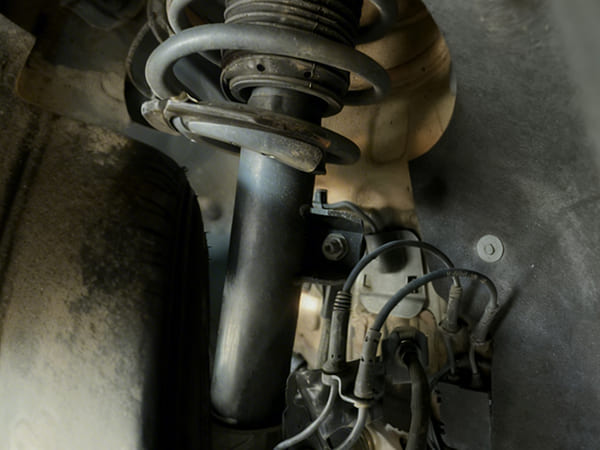
Adaptive Suspension Wear and Tear
BMW builds an adaptive suspension that reads the pavement to keep your ride smooth and steady. It reacts to every bump so you stay comfortable behind the wheel. If you spend a lot of time on the suburban roads near Buffalo Run, watch out for potholes. This rough terrain wears down your suspension system much faster than smooth highway driving ever would.
The typical symptoms of suspension issues include:
- Uneven Ride Quality: If you notice that your BMW no longer handles bumps or rough roads smoothly, it may indicate that the suspension system is struggling.
- Noisy Suspension: Clunking or rattling noises when driving over bumps could point to worn-out bushings or shocks.
- Decreased Handling Performance: The vehicle may feel less stable when cornering or during emergency maneuvers.
- Visible Suspension Damage: Cracks in bushings or control arms, or leaks from shock absorbers.
These symptoms indicate that your vehicle’s adaptive suspension system needs attention. Left unaddressed, these issues can lead to more severe damage and affect vehicle safety.
Why It Matters: The Risks of Ignoring Suspension Issues
Ignoring suspension issues in your BMW, particularly on rough roads like those near Buffalo Run, can have serious consequences:
- Reduced Comfort and Handling: A faulty suspension impairs comfort and handling, potentially compromising safety, especially in emergencies.
- Increased Wear on Other Components: Damaged suspension strains other parts, including tires, alignment, and steering components.
- Safety Risks: Worn suspension reduces stability, increasing accident risk. Complete failure can be dangerous and leave you stranded.
- Expensive Repairs: As problems worsen, replacing components (shocks, bushings, control arms) becomes costly and time-consuming.
For BMW owners, especially those who drive frequently in suburban areas like Buffalo Run, proactive suspension maintenance is essential to avoid these risks.
How BMW Adaptive Suspension Works
BMW’s adaptive suspension system is designed to continuously adjust ride quality and handling by electronically controlling damping force in real time. Instead of relying on fixed shock settings, the system adapts to road conditions, driving behavior, and vehicle dynamics.
At the center of this system is BMW’s Electronic Damping Control (EDC) module. The EDC processes input from multiple sensors—including wheel speed, steering angle, brake input, and vertical body movement—to determine how firm or soft the suspension should be at any given moment.
The primary components include:
- Adaptive Shock Absorbers: These electronically controlled dampers adjust internal valving to vary stiffness instantly. On smooth roads, they soften for comfort; on rough or uneven surfaces, they firm up to maintain stability and control.
- Bushings: These flexible mounting points absorb vibration and isolate noise. Over time, repeated impacts from uneven roads can cause them to degrade, leading to increased movement and reduced precision.
- Control Arms: These structural links connect the suspension to the chassis and maintain proper wheel alignment. Wear in control arm joints or bushings can lead to instability, uneven tire wear, and inconsistent handling.
Because the system is constantly adjusting, components are under continuous load—especially on rough suburban roads like those around Buffalo Run. Over time, this increased activity can accelerate wear, particularly in shocks, bushings, and control arms.
What Commonly Goes Wrong in BMW’s Adaptive Suspension?
Several factors contribute to suspension wear in BMW vehicles:
- Rough Road Conditions: Roads in suburban areas like Buffalo Run can cause more strain on the suspension system, leading to quicker wear of shocks, bushings, and control arms.
- Driving Style: Aggressive driving, such as fast cornering or frequent braking, can add unnecessary stress to the suspension system.
- Age and Mileage: Over time, suspension components naturally degrade. High-mileage vehicles, particularly those subjected to rough roads, are at greater risk of suspension failure.
- Environmental Factors: Exposure to harsh weather conditions, such as extreme cold in winter, or salty road conditions, can accelerate the deterioration of suspension parts.
By understanding these factors, you can be more proactive about suspension maintenance and avoid costly repairs.
Symptoms vs. Real Causes: Identifying Suspension Problems
It’s important to differentiate between normal driving wear and suspension issues. Here’s how to identify when the suspension is the problem:
- Uneven Ride Quality: If your BMW feels bouncy or too stiff, it might be due to worn-out shocks or bushings. However, a rough ride could also be due to tire pressure or alignment issues.
- Suspension Noises: Clunking or rattling noises when driving over bumps are typically signs of worn control arms or damaged bushings.
- Poor Handling: If your car feels unstable when turning, particularly at high speeds, the suspension system may be compromised. This could be due to issues with control arms or shocks.
- Visible Leaks or Cracks: Leaking shock absorbers or visibly cracked bushings are clear indicators of suspension damage.
A professional mechanic can help differentiate these symptoms and determine the exact cause of the problem.
Preventive Logic and Best Practices for BMW Suspension Care
To avoid suspension issues in your BMW, especially when driving on rough roads like those around Buffalo Run, follow these preventive measures:
- Regular Inspections: Periodically check your suspension, especially after rough driving or if you notice unusual noises or performance issues.
- Drive Responsibly: Avoid harsh maneuvers that stress the suspension; smooth driving extends component life.
- Check Tire Pressure: Proper tire inflation is essential; underinflated tires stress the suspension.
- Replace Worn Components Early: Replace worn bushings, shocks, and control arms promptly to prevent more expensive future repairs.
By addressing suspension issues early, you can maintain ride comfort, improve safety, and prevent major repairs.
Suspension Challenges in Buffalo Run Roads
In the Buffalo Run area, uneven roads and frequent suburban driving are common challenges that BMW owners face. These roads can exacerbate wear on suspension components, especially if you’re navigating potholes or uneven surfaces. Given the high altitude of Denver and the city’s variable weather conditions, it’s crucial to keep your suspension system in good condition to ensure it performs well throughout the year.
Contact Salta Automotive for Suspension Evaluations
If you’ve noticed any symptoms of suspension issues or just want to ensure your BMW is ready for smoother rides, Salta Automotive is here to help. Our expert technicians specialize in diagnosing and repairing BMW suspension systems. Reach out to us for a professional evaluation and make sure your vehicle is in top condition.
FAQs About BMW Adaptive Suspension Issues
How do I know if my BMW’s suspension is damaged?
Look for symptoms like a bouncy or rough ride, unusual noises from the suspension, poor handling, or visible leaks. If you experience any of these, it’s time to have your suspension checked.
Can I drive my BMW with a damaged suspension?
Driving with a damaged suspension can lead to further wear on other components and may compromise your safety. It’s best to address suspension issues as soon as they arise.
How often should I have my BMW’s suspension inspected?
We recommend inspecting your suspension system at least once a year or whenever you notice changes in ride quality or handling.
What causes suspension damage in BMWs?
Rough road conditions, aggressive driving, and the natural wear and tear from age or high mileage are the most common causes of suspension damage in BMWs.
Is suspension repair expensive for BMWs?
The cost of suspension repairs can vary depending on the extent of the damage, but addressing issues early can help avoid more costly repairs later.
Key Takeaways for BMW Owners
Adaptive suspension issues in BMWs, especially from rough suburban roads like those around Buffalo Run, can cause premature wear on key components such as shocks, bushings, and control arms. Regular maintenance, early detection, and responsible driving can significantly extend the life of your suspension system. Proactive care is essential to maintaining vehicle performance, comfort, and safety.