
If you commute along US-85 or deal with the constant red lights throughout North Denver and Derby, your BMW is likely fighting an invisible battle. While BMW’s Direct Injection (GDI) technology offers incredible power, it has a specific Achilles’ heel: carbon buildup.
For local drivers, the combination of short trips and idling creates the perfect storm for “carbon choking.” At Salta Automotive, we believe the best way to handle this isn’t just to fix the problem after it happens, but to prevent it from ever stealing your performance.
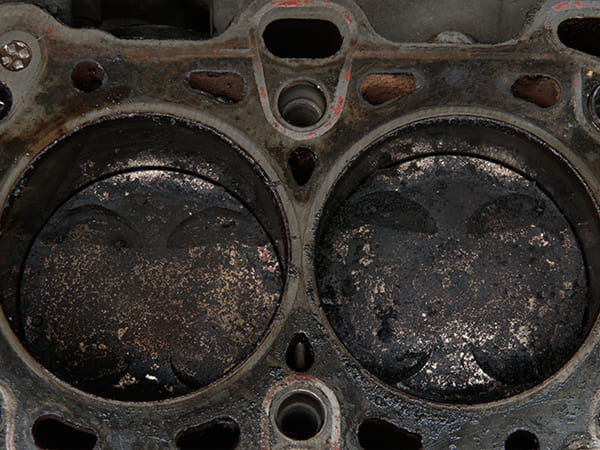
The GDI Flaw: Why “Premium Fuel” Isn’t Enough
A common misconception we hear is: “I use Top Tier 91 octane, so my valves should be clean.” While high-quality fuel is essential for your injectors, it never actually touches the back of your intake valves in a modern BMW engine (like the N54, N55, or B58).
- The Old Way (Port Injection): Fuel was sprayed behind the valve, “washing” it with detergents every time you hit the gas.
- The Modern Way (GDI): Fuel is injected directly into the combustion chamber. The intake valves only see air and oily crankcase vapors.
Without that constant “gasoline bath,” these vapors bake onto the hot metal valves, forming a thick, coal-like crust that restricts airflow.
The Salta Recommendation: Prevention over Cure
To keep your BMW running strong, we don’t wait for it to run poorly. We recommend a Chemical Intake Cleaning via the BG Platinum Fuel System Service every 30,000 miles.
1. The Maintenance Solution: BG Platinum Fuel System Service
When performed every 30,000 miles, this professional-grade chemical cleaning dissolves soft carbon deposits before they have a chance to harden into a “crust.”
- Keeps the engine “breathing” freely.
- Maintains fuel economy and throttle response.
- Prevents the need for more invasive mechanical cleaning later.
2. The Restorative Solution: Professional Walnut Blasting
If a BMW has reached high mileage without regular chemical cleanings, or if it is already suffering from severe performance issues, the carbon has likely “petrified.” At this stage, chemicals can’t dissolve the mass. This is where Walnut Blasting comes in.
- How it Works: We use pressurized, finely crushed walnut shells to safely “sandblast” the intake valves back to bare metal.
- When it’s needed: We recommend this only if the chemical maintenance schedule has been neglected and the car is showing signs of “choking.”
Why the Derby Commute Accelerates the Problem
Carbon buildup is a “low-temperature” problem, but it’s also a pressure problem. The stop-and-go reality of US-85 and short errands around Derby means your engine rarely reaches the sustained high temperatures needed to naturally burn off light deposits.
Even worse, frequent idling increases “blow-by” gases. When your engine isn’t under a consistent load, the combustion gases leak past the piston rings into the crankcase. Your PCV (Positive Crankcase Ventilation) system then vents this oily mist right back through the intake. Without the high-velocity airflow of highway driving to clear it out, this oil settles on your cold intake valves—the primary ingredient for that stubborn, “coal-like crust.”
Symptoms Drivers Notice: Is Your BMW “Choked”?
If you’ve missed your 30,000-mile service, look out for these “Driveability” red flags:
- Rough Cold Starts: Carbon acts like a sponge, “soaking up” fuel during a cold start and causing a shaking, unstable idle.
- The “Efficiency Tax”: If your MPG is dropping despite no change in your driving habits, your engine is working too hard to “breathe.”
- Hesitation Under Load: A “stumble” or lag when merging onto the highway or pulling away from a stoplight in Derby.
How to Protect Your BMW Engine
While you can’t always avoid the traffic on US-85, you can stay ahead of the carbon:
- BG Platinum Service: Stick to the 30,000-mile interval to keep your intake system pristine.
- Full Operating Temp: Once a week, take your BMW for a 20-minute highway drive to reach full operating heat.
- Oil Consistency: Use only BMW-approved synthetic oils and stick to a 5,000-mile change interval to reduce oily vapors.
Restore and Maintain at Salta Automotive
Don’t let carbon deposits rob you of the performance you paid for. Whether you need a BG Platinum Fuel System Service to keep your car running strong or a Walnut Blasting to fix a sluggish engine, the team at Salta Automotive has the specialized tools to restore that “factory-new” throttle response.
Schedule Your Intake Inspection and 30k Service Today
Frequently Asked Questions
Why do I need a chemical cleaning every 30,000 miles?
Because GDI engines don’t “wash” their own valves with gasoline, carbon accumulates naturally. Performing a BG Platinum Fuel System Service every 30,000 miles dissolves soft oily residue before it has a chance to bake into a hard crust. This proactive step saves you from more expensive mechanical repairs later.
Is Walnut Blasting “better” than Chemical Cleaning?
They serve different roles in your BMW’s life cycle. Chemical cleaning is maintenance—it keeps a healthy car running at peak performance. Walnut blasting is a restorative repair—it is the “reset button” used to fix a car that is already running poorly, misfiring, or suffering from heavy, hardened carbon that chemicals can no longer penetrate.
Does the BG Platinum Fuel System Service save me money in the long run?
Absolutely. Think of it as an investment. By maintaining the intake system every 30,000 miles, you preserve your fuel economy and avoid the higher labor costs associated with removing the intake manifold for a walnut blasting service. It is always more cost-effective to keep an engine clean than to “rescue” one that has been neglected.
I only drive short distances around Derby; should I service my BMW more often?
Yes. “Severe Service” conditions—which include frequent short trips where the engine doesn’t reach full operating temperature and heavy idling on US-85—accelerate the rate of blow-by and oil contamination. If your daily commute is short, staying strict with that 30,000-mile interval is the best way to ensure your BMW’s intake valves stay clear.
Does stop-and-go traffic on US-85 make the problem worse?
Yes. Carbon buildup thrives in low-temperature, low-RPM environments. Frequent idling prevents the engine from reaching the heat needed to naturally minimize deposits, causing the carbon to layer and harden much faster than it would during long highway hauls.