
After suspension repairs, your vehicle may require an alignment to ensure optimal handling, tire wear, and safety. In Denver, where road conditions and weather can impact alignment, a post-repair alignment is crucial. Learn why alignment is important after suspension work and how it affects your car’s performance.
Why This Issue Matters
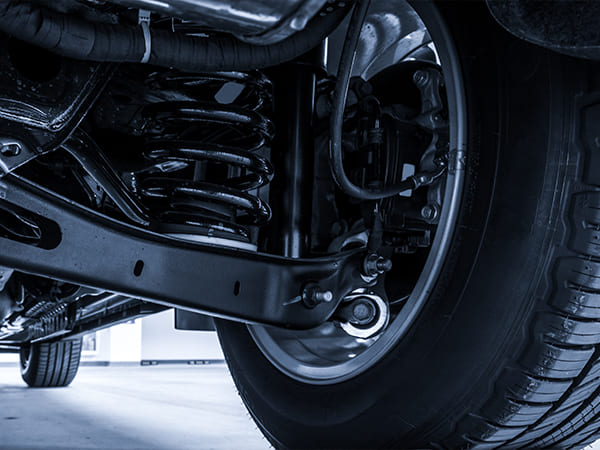
Swapping out old suspension parts often knocks your wheels out of position. Living in Denver means your suspension faces a constant battle. The cycle of freezing and thawing creates nasty road gaps that jar your wheels. High altitudes and sudden snowstorms also force you to notice every slight pull in your steering wheel. Fixing your suspension without a professional alignment ruins tires fast. Your car will pull to the side and feel shaky on the road. Always schedule an alignment after swapping suspension components. Doing this protects your tires from premature balding.
How It Works: Suspension and Alignment
The suspension system supports your vehicle’s weight, absorbs shocks, and maintains stability while driving. It is interconnected with the steering and alignment systems, and any changes or repairs to suspension components (like control arms, shocks, struts, or ball joints) can alter how the wheels are positioned. Keeping your wheels pointed straight stops tires from balding early and makes the car much easier to steer. You will also notice a nice boost in your gas mileage. Misaligned wheels force you to fight the steering wheel just to stay straight. This uneven pressure ruins your tires and causes major mechanical damage.
What Commonly Goes Wrong After Suspension Repairs
After suspension work, many drivers overlook the importance of alignment, but issues can arise:
- Misaligned Wheels: When suspension components are replaced, especially on vehicles like European or Asian makes that have tight tolerances, the alignment can easily go out of spec.
- Uneven Tire Wear: If alignment isn’t checked after suspension repairs, uneven tire wear may develop, leading to costly replacements.
- Handling Issues: Without proper alignment, handling may become unstable, particularly in Denver, where steep hills and unpredictable weather conditions can exacerbate steering problems.
- Suspension Stress: A misaligned vehicle puts added strain on suspension components, which can lead to further damage if not addressed.
How to Identify Alignment Issues After Suspension Repairs
It can be tricky to differentiate between symptoms of misalignment and other mechanical problems after suspension repairs. Here’s how to identify the root causes:
- Symptoms:
- Vehicle pulling to one side, especially after steering correction.
- Steering wheel off-center or vibrating.
- Uneven tire wear or tires making noise.
- Difficulty with cornering or steering response.
- Vehicle pulling to one side, especially after steering correction.
- Root Causes:
- Misalignment caused by suspension component installation.
- Worn-out suspension parts or incorrect installation.
- Impact on tire pressure from suspension repair.
- Misalignment caused by suspension component installation.
An alignment check after suspension repairs ensures that the wheels are in proper alignment, allowing the vehicle to handle as designed.
Preventive Logic and Best Practices
To avoid the negative effects of poor alignment, here are some best practices:
- Always Check Alignment After Suspension Work: Whether you’ve had new struts, control arms, or tie rods replaced, aligning your vehicle post-repair is essential for maintaining safe handling and reducing future repair costs.
- Monitor Tire Wear: After suspension work, keep an eye on tire wear. If your tires are wearing unevenly, it could be a sign of misalignment.
- Check Suspension Components: Ensure suspension parts are properly installed and in good condition before getting your alignment done. Worn-out parts can lead to improper alignment even after the wheels are adjusted.
- Drive Cautiously: After suspension repairs, be mindful of your driving habits. Avoid sharp turns and heavy braking until your alignment is properly checked to prevent additional strain on the suspension system.
Cost, Risk, and Downtime Impact of Ignoring Alignment After Suspension Work
Ignoring alignment issues after suspension repairs can have significant consequences:
- Increased Tire Wear: Misalignment can cause tires to wear unevenly, meaning they will need to be replaced sooner. This can cost you more money in the long term.
- Reduced Handling and Stability: Especially in Denver’s high-altitude and often unpredictable weather, poor alignment compromises handling, making your vehicle more difficult to control in adverse conditions.
- Suspension Strain: When alignment is off, it adds stress to suspension components, potentially leading to premature wear or failure.
- Safety Risks: Poor alignment compromises safety, especially on uneven or icy roads, which are common in Denver during the winter months.
Context-Specific Considerations for Denver Drivers
Driving around Denver puts a lot of stress on your vehicle. The high altitude combined with bumpy roads and freezing weather causes suspension components to fail early. Watch out for those post-winter craters. Driving over jagged pavement pushes your wheels off center and causes uneven tire wear. Small mistakes in alignment cause big headaches for owners of Asian or European imports. These cars require precision because their suspension systems leave almost no room for error. Denver roads beat up your car, so getting an alignment after suspension repairs keeps your steering straight and your tires from wearing out early.
A Real-World Scenario We See Often
A local customer with a high-mileage Audi came in after replacing their struts and control arms. They noticed the car pulling to the right and had difficulty keeping the steering wheel centered. Upon inspection, we found that the alignment was off, which was caused by the suspension repairs. After performing a proper alignment, the vehicle handled perfectly, and the issue was resolved.
Concluding Insights: Safeguarding Your Vehicle with Proper Alignment
After suspension repairs, aligning your vehicle is crucial for maintaining optimal performance, tire life, and safety. In Denver’s challenging road conditions, where potholes, temperature fluctuations, and elevation changes are common, alignment checks are essential for smooth driving. Proactively addressing alignment after suspension work will not only protect your investment but also improve handling and ensure safety on Denver’s roads.
Professional Evaluation
If you’ve had suspension repairs done, it’s highly recommended to get a professional alignment check to ensure everything is working as it should. At Salta Automotive, we specialize in diagnosing alignment and suspension issues for European and Asian vehicles. Our team of experienced technicians in Denver can help restore your vehicle’s handling and ensure safe, smooth driving.
Frequently Asked Questions
- Why do I need to align my car after suspension repairs?
- Suspension repairs can shift your vehicle’s alignment, leading to handling issues and uneven tire wear. An alignment ensures your car drives straight and stable.
- Suspension repairs can shift your vehicle’s alignment, leading to handling issues and uneven tire wear. An alignment ensures your car drives straight and stable.
- How can I tell if my car needs an alignment after suspension work?
- If your car pulls to one side, the steering wheel is off-center, or you notice uneven tire wear, it’s likely that your alignment is off and should be checked.
- If your car pulls to one side, the steering wheel is off-center, or you notice uneven tire wear, it’s likely that your alignment is off and should be checked.
- Can suspension work cause alignment problems?
- Yes. Replacing suspension components like control arms, tie rods, or struts can affect the vehicle’s alignment, requiring an alignment check after the repairs are done.
- Yes. Replacing suspension components like control arms, tie rods, or struts can affect the vehicle’s alignment, requiring an alignment check after the repairs are done.
- How often should I get an alignment in Denver?
- It’s recommended to get your alignment checked every 12,000 miles, or immediately after suspension repairs, especially in Denver where road conditions can impact alignment.
- It’s recommended to get your alignment checked every 12,000 miles, or immediately after suspension repairs, especially in Denver where road conditions can impact alignment.
- Can I drive my car before getting an alignment after suspension work?
While it’s possible to drive your car before getting an alignment, it’s not recommended. Driving with misalignment can cause uneven tire wear, reduced handling, and increased stress on suspension components. It’s best to get an alignment done as soon as possible after suspension repairs to ensure safe and efficient driving.