
Think of the transmission as the bridge that turns engine force into motion; a solid bridge means you glide along the road without a shudder. It regulates how power moves from the engine to the wheels, so you get smooth acceleration, braking, and gear changes. In Denver, CO, the thin air and shifting weather can put a strain on your car, so spotting the first clues of transmission trouble helps you avoid expensive fixes and roadside stops.
Here we’ll go over the typical clues that a transmission is failing, explore why it happens, and tell you when it’s time to call a pro before things get worse..
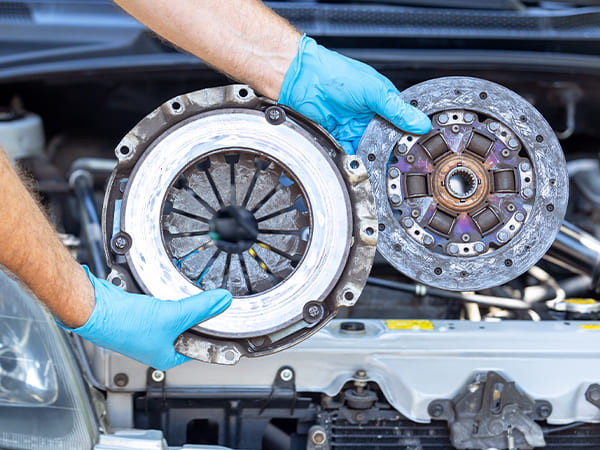
What Is the Transmission, and Why Is It Important?
Your car’s transmission moves the engine’s power down to the wheels. It shifts gears, tweaking the engine’s power so your car can glide easily from one speed to the next. If the transmission fails, the car loses the ability to pick up speed, ease off, or hold a smooth cruise.
There are two main types of transmissions:
- Manual Transmission: Requires the driver to shift gears manually.
- Automatic Transmission: Automatically shifts gears based on speed and load.
Both types are vital to your vehicle’s overall functionality, and problems with either can lead to significant performance issues.
Common Signs of Transmission Failure
Early detection of transmission problems can prevent expensive repairs. Below are some of the most common signs of transmission failure that Denver, CO, drivers should watch for:
1. Slipping Gears
One of the most noticeable signs of transmission failure is when your car’s gears slip unexpectedly. This can happen when you’re accelerating or decelerating, or even while cruising at a steady speed. When the transmission slips, the engine revs higher than normal without a corresponding increase in speed.
- What to Watch For:
- The car’s engine revs but doesn’t seem to shift properly.
- The car jerks or lurches unexpectedly.
- In automatic transmissions, the gear lever may feel loose or difficult to shift.
- The car’s engine revs but doesn’t seem to shift properly.
- Cause: Slipping gears could be caused by low transmission fluid, a worn-out clutch (in manual cars), or a damaged transmission control module.
2. Rough Shifting or Hesitation
When your vehicle hesitates before changing gears, or you catch a grinding or jerking sound during the shift, that’s often a warning sign of transmission trouble. You’ll often notice it most when you move from park into drive or when you change gears.
- What to Watch For:
- A delay or hesitation in shifting when changing gears.
- Grinding or whining sounds during gear transitions.
- Jerking movements when shifting into gear.
- A delay or hesitation in shifting when changing gears.
- Cause: This could indicate issues with the transmission’s internal components, such as worn gears or low fluid levels.
3. Unusual Noises
Noises coming from your transmission, especially when the vehicle is in gear, are a common sign of trouble. Grinding, whining, or clunking noises shouldn’t be dismissed because they can point to transmission damage inside or to a shortage of fluid.
- What to Watch For:
- Grinding, whining, or clunking noises while the vehicle is in gear.
- Sounds that increase with acceleration or load.
- Grinding, whining, or clunking noises while the vehicle is in gear.
- Cause: These noises may be caused by low transmission fluid, worn-out gears, or a damaged torque converter.
4. Warning Lights or Dashboard Alerts
If your transmission is experiencing issues, your car’s check engine light or transmission warning light may illuminate on the dashboard. Some vehicles also have a dedicated transmission temperature warning light.
- What to Watch For:
- The check engine light or transmission warning light turns on.
- A temperature gauge indicating high transmission fluid temperatures.
- The check engine light or transmission warning light turns on.
- Cause: A warning light could indicate low transmission fluid, overheating, or a failure of the transmission control module. It’s important to have the codes read as soon as possible to determine the underlying issue.
5. Fluid Leaks
Your transmission relies on fluid to coat its internal parts with lubrication. Spotting a red or brown puddle beneath your car often signals that transmission fluid is escaping. When you let the fluid level drop, heat builds up and can ruin the transmission.
- What to Watch For:
- Red or brown fluid under your car, especially near the transmission.
- A burning smell, indicating that the transmission fluid is overheating.
- Red or brown fluid under your car, especially near the transmission.
- Cause: Leaking seals, gaskets, or loose connections can cause fluid leaks. Low fluid levels can lead to more severe transmission problems if left unchecked.
6. Unresponsiveness or Lagging When Accelerating
If your car feels sluggish or unresponsive when you press the gas pedal, it could be a sign of transmission failure. This is especially noticeable in automatic transmissions, where the car may hesitate before engaging.
- What to Watch For:
- The car hesitates or takes too long to accelerate after pressing the gas pedal.
- Unusual delays in acceleration, especially after shifting gears.
- The car hesitates or takes too long to accelerate after pressing the gas pedal.
- Cause: This could be a sign of a failing torque converter or low transmission fluid, which affects the vehicle’s ability to shift and accelerate smoothly.
When to Seek Professional Help
If any of the above warnings show up, you owe it to yourself to call a specialist right away. If you wait to repair, the problem often spreads, driving up the bill. Because Denver sits at a lofty elevation and sees temperature shifts that strain a gearbox, you really need to monitor your vehicle’s health each season.
When a certified technician checks your vehicle, they’ll run the computer test, gauge the fluid level, and repair whatever is required. Catching problems early and fixing them quickly can add years to your transmission’s life while your car stays smooth.
Transmission Maintenance Tips for Denver Drivers
- Check Your Transmission Fluid Regularly: Low or dirty transmission fluid is a common cause of transmission issues. Check the fluid level and condition (it should be pinkish or reddish) at regular intervals.
- Drive Smoothly: Avoid rapid acceleration or deceleration, which can put unnecessary strain on the transmission.
- Maintain Your Vehicle: Follow the manufacturer’s maintenance schedule for routine inspections and fluid changes.
- Be Mindful of Temperature: In Denver, extreme temperatures can affect your transmission. Make sure your cooling system is working properly to prevent overheating.
Wrapping Up: Protect Your Car’s Transmission
Your vehicle’s transmission is a vital component that affects everything from acceleration to shifting. If you’re noticing any signs of transmission failure, such as slipping gears, hesitation, or strange noises, it’s crucial to act quickly. Catching these issues early can save you time and money and ensure your car stays on the road longer.
At Salta Automotive, we specialize in diagnosing and repairing transmission issues. If you suspect your transmission may be failing, our team of expert technicians is ready to assist you with the right solutions to get your vehicle back in top shape.
If you’re unsure about your transmission’s condition, it’s always a good idea to have it professionally diagnosed. Our team at Salta Automotive is here to help with any transmission concerns you may have. Book your transmission today!
FAQs: Signs of Transmission Failure
What are the signs my transmission is failing?
Common signs include slipping gears, rough or delayed shifting, unusual noises (grinding or whining), and fluid leaks. If you experience any of these, it’s important to have your car checked right away.
Can low transmission fluid cause problems?
Yes, low transmission fluid can cause overheating, rough shifting, and slipping gears. If you notice fluid leaks or a burning smell, it could be a sign of low fluid levels.
What does it mean if my car hesitates when accelerating?
A hesitation when accelerating could point to a transmission problem, such as a failing torque converter or low transmission fluid. It’s best to get it checked by a professional mechanic.
Should I ignore a warning light on my dashboard?
No! If your transmission or check engine light comes on, it’s crucial to get your vehicle diagnosed immediately. Ignoring it could lead to more severe and costly issues.
How can I prevent transmission failure?
Regular maintenance, including checking fluid levels and avoiding harsh driving habits, can help keep your transmission in good condition and prevent failure.