
For drivers in Denver, it’s easy to assume your car must pass a regular safety inspection like in some states — but that’s not the case. In Colorado, the rules focus mostly on emissions inspections (for air‑quality, not safety), while safety (tires, brakes, lights, seat belts, etc.) remains the owner’s responsibility.
Understanding exactly what’s required — and what you should still be checking — helps you stay compliant and safe on the road. Here’s a clear breakdown for Denver drivers.
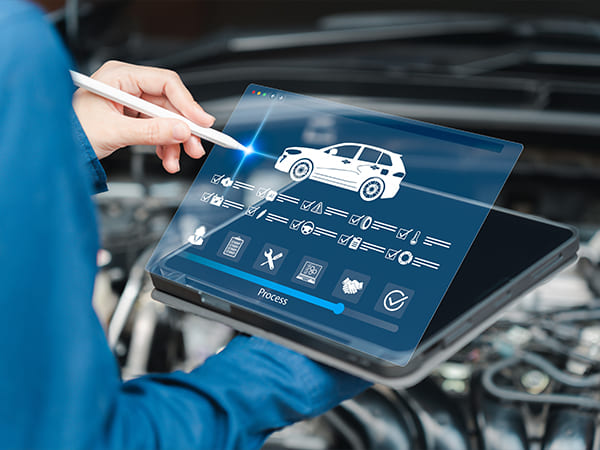
Colorado Requires Emissions Testing, Not Regular Safety Inspections
Mandatory Emissions Inspections in Denver Area
- If your car is registered in Denver County (or other metro counties under the regional program), you must pass a biennial (every two years) emissions inspection — for most gasoline-powered vehicles 7+ years old.
- For older vehicles (model year 1981 or older), the emissions test is required annually.
- Emissions inspection is also required when a vehicle changes ownership — even if it passed recently.
- Hybrid vehicles older than 7 years may also be subject to On‑Board Diagnostics (OBD) emissions testing.
- All-electric vehicles are exempt from emissions testing.
No Regular Safety Inspections Required
Unlike some states, Colorado — including Denver — does not mandate periodic safety inspections covering brakes, lights, tires, or other equipment.
However, law enforcement can still conduct spot checks: if your vehicle appears unsafe (bad tires, broken lights, cracked windshield, etc.), you may be cited or asked to fix the issue immediately.
Essential Safety Checks Every Denver Driver Should Do Regularly
Because there’s no state‑wide safety inspection, regular self‑checks are essential. Make these part of your maintenance routine:
- Tires & tread: Ensure tires have sufficient tread depth (no excessive wear) and maintain proper inflation. Worn or underinflated tires reduce traction and increase accident risk.
- Lights & signals: Headlights, brake lights, turn signals, license-plate lights — all must work. Faulty lighting reduces visibility and risks citations.
- Brakes & steering: Ensure brakes respond properly, have no abnormal noises, and steering feels stable.
- Windshield, wipers & mirrors: No large cracks in the driver’s view. Have at least one working wiper blade and a rear mirror that gives you visibility behind the car.
- Horn: Must be operable and loud enough to warn others.
- Seatbelts & safety restraints: All required belts/seat restraints should be intact and functional (especially if multiple passengers ride).
- Fluid leaks & mechanical health: Regularly inspect for leaks (oil, coolant, brake fluid), check suspension, ensure the exhaust system is intact, and listen/feel for abnormal behavior.
Because safety inspections aren’t required by law, building a routine — defining a “self‑inspection checklist” for every few months or before long trips — is smart practice.
When Extra Inspections Are Needed: Out-of-State or New Ownership
Even though Colorado skips regular safety inspections, there are times when an official inspection may be required:
- Registering an out-of-state vehicle in Colorado: A full VIN and condition inspection is required before you can title and plate the car in Denver.
- Vehicle repair or rebuild from salvage: If a vehicle was salvaged (after major damage, hail, accident, etc.) and rebuilt, it may require a safety inspection before returning to the road.
During these inspections, authorities check road‑worthiness aspects: tires, lights, mirrors, brakes, windshield, horn, and basic safety equipment.
Why Drivers Prioritize Safety Checks, Even Without Legal Requirements
- Prevent accidents: Proper tires, brakes, lights and mirrors dramatically improve safety, especially on mountain roads or during Denver’s snowy winters.
- Save money over time: Catching wear early (tires, brakes, suspension) prevents small issues from becoming costly repairs.
- Ensure registration & insurance validity: Failing emissions or having serious mechanical issues can affect your insurance coverage or ability to register or sell your car.
- Peace of mind for road trips: Whether heading to the mountains or driving across the Front Range, knowing your car is safe reduces stress and risk.
Checklist: What to Do & When
| When / Trigger | What to Do |
| Every 3–6 months | Self‑inspect tires, lights, brakes, fluids, wipers, mirrors, horn, seatbelts. |
| Before winter season | Check tires (tread/pressure), brakes, battery, windshield & wipers — critical for snow/ice driving. |
| Before a long road trip or mountain drive | Full safety review: tires, brakes, fluid levels, lights, steering, suspension. |
| When buying a used or out-of-state vehicle | Get a full safety and emissions inspection before registration. |
| When registration renewal says “Emissions Test Required” | Schedule emissions testing at a certified station. |
Stay Safe & Compliant — Even If It’s Mostly On You
Because Colorado doesn’t require routine safety inspections, safety and maintenance ultimately rest on you, the driver. That’s why regular self‑checks — especially before seasonal changes or long trips — are not just smart, but essential. Proper upkeep keeps you safe, avoids trouble at registration time, and protects your car’s value over the long run.
If you want a professional inspection or help getting your car ready for emissions testing or seasonal driving conditions, consider Salta Automotive — we’re committed to helping Denver drivers stay safe, road‑ready, and compliant year‑round.
Ready to get your vehicle inspected? Schedule your appointment today and drive with confidence.
FAQ — What Denver Drivers Commonly Ask
Does Colorado require annual safety inspections?
No. Colorado does not mandate statewide regular safety inspections. Only emissions inspections are required for many vehicles in metro counties like Denver.
Which vehicles need emissions tests in Denver?
Gasoline‑powered vehicles 7+ years old, diesel vehicles past their exemption period, and hybrids older than 7 years require emissions testing under the local program. Electric vehicles and some newer cars may be exempt.
What happens if I fail an emissions test?
You must repair the issues, then retest. Without a passing certificate, you can’t renew your registration.
If safety inspections aren’t required, how do I make sure my car is road‑safe?
Do your own regular maintenance checks — tires, brakes, lights, fluid leaks, suspension, etc. Treat every major season (especially winter) as a mini inspection opportunity.
Do I need a full inspection when I buy a used car from out‑of-state?
Yes — state law requires a VIN and condition inspection before you can title and register an out-of-state vehicle in Colorado.