
Winter in Denver can be deceptively tough on your vehicle. Cold temperatures, snow, ice, slush, and road‑salt all combine to stress your car — from tires losing pressure to batteries weakening, from brakes struggling on ice to windshield wipers freezing over. If you want your vehicle to run safely and reliably through Denver’s chilly months, it pays to prepare ahead. This guide lays out a thorough, season‑specific maintenance plan to help you winterize your car before snow hits.
What Makes Winter Car Care Crucial in Denver
- Colorado’s winters = extreme stress for cars. Once snow or freezing weather hits, fluids can thicken, tires lose pressure, batteries struggle, and road salt accelerates corrosion.
- Safety on slick, icy, or snowy roads depends on it. Good brakes, proper tires, fully functioning lights and visibility systems — all are critical when stopping distances lengthen and traction becomes unpredictable.
- Prevention saves cost and trouble. A simple winter check can prevent a dead battery, frozen engine coolant, or rusted undercarriage — issues that often escalate into expensive repairs or roadside emergencies.
Winterizing your vehicle isn’t just about comfort — it’s about safety, reliability, and protecting your car for the long run.
Winter Car Maintenance Checklist (Denver Edition)
1. Fluids: Antifreeze, Oil & Washer Fluid
- Antifreeze mix: Ensure proper coolant levels to prevent freezing and overheating.
- Washer fluid: Use winter-grade fluid to avoid freezing and maintain visibility.
- Engine oil: Cold thickens oil — switch to winter-suitable types or get an oil change before temps drop.
Pro tip: Do a full fluid inspection before the first cold snap — and top off or replace fluids as needed.
2. Battery & Electrical System
- Test your battery if it’s over 3–4 years old — cold reduces its power.
- Clean terminals and check for tight connections to prevent failure.
- Park in warmer spots when possible, and avoid short trips that don’t fully recharge the battery.
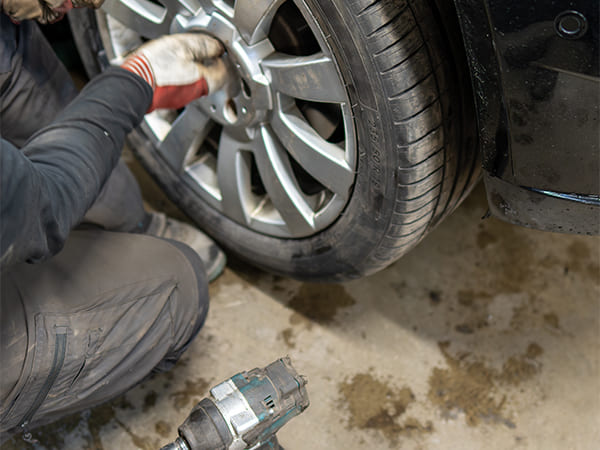
3. Tires & Traction: Pressure, Tread, and Winter Grip
- Check tire pressure often — cold temps cause drops that hurt traction.
- Inspect tread and sidewalls for wear, cracks, or damage.
- Upgrade to winter tires or snow-rated options for better grip on ice and snow.
Rule of thumb for Colorado winters: Maintain tire tread depth above the minimum safe threshold, check pressure frequently, and ideally, swap to winter-specific tires if you drive in icy or snowy conditions often.
4. Brakes, Suspension & Steering Checks
- Inspect brakes (pads, rotors) and brake fluid:
- Winter roads are unpredictable. Braking on snow or ice needs extra stopping power — ensure your brakes and fluid are in good condition.
- Winter roads are unpredictable. Braking on snow or ice needs extra stopping power — ensure your brakes and fluid are in good condition.
- Check suspension, shocks, and steering:
- A firm, well-maintained suspension helps absorb impacts and maintain control on uneven, icy, or snow‑covered roads. Worn suspension parts can make handling more dangerous in winter conditions.
- A firm, well-maintained suspension helps absorb impacts and maintain control on uneven, icy, or snow‑covered roads. Worn suspension parts can make handling more dangerous in winter conditions.
- Test headlights, brake lights, turn signals, and defroster/heater system:
- Visibility maintenance (defrost, windshield clearing) are just as important as traction. Snow, slush, and road spray can impair your view and that of others.
5. Visibility: Wipers, Windshield, Lights
- Install new wiper blades (if current ones are worn) and use winter-grade washer fluid:
- Snow, ice, and salt can impair visibility quickly. Winter blades and freeze-resistant fluid make a big difference.
- Snow, ice, and salt can impair visibility quickly. Winter blades and freeze-resistant fluid make a big difference.
- Make sure your heating and defrost systems work properly:
- Cold mornings can fog or ice up windows; a functioning heater/defroster ensures you can clear windows quickly and safely.
- Cold mornings can fog or ice up windows; a functioning heater/defroster ensures you can clear windows quickly and safely.
- Check all lights (headlights, brake, turn signals, interior):
- Since winter in Colorado often brings shorter daylight and low visibility snow or slush, every functioning light helps others see you — and vice versa.
6. Underbody & Corrosion Protection
- Wash and rinse undercarriage regularly:
- Road salt or de‑icing chemicals used in cities can accelerate rust and corrosion on the underside of your vehicle. Cleaning undercarriage helps prevent long-term damage.
- Road salt or de‑icing chemicals used in cities can accelerate rust and corrosion on the underside of your vehicle. Cleaning undercarriage helps prevent long-term damage.
- Consider rust-proofing or protective coatings:
- If you often drive in salty, slushy conditions, a protective undercoating or rust inhibitor can extend the lifespan of your car’s frame and metal parts.
7. Emergency Winter Safety Kit: Be Ready for the Unexpected
Even the best maintenance can’t guarantee the road will be safe — so be prepared:
Winter safety kit suggestions:
- Snow shovel or collapsible shovel (for digging out snow around tires)
- Ice scraper + snow brush for windows and lights
- Keep jumper cables handy; a sudden freeze can shut a weak battery down in seconds.
- Blankets, extra warm clothing, gloves, hats — in case you get stranded
- Flashlight, first‑aid kit, water, non-perishable snacks, and phone charger — in case you have to wait for help or spend more time in the car than expected.
- Traction aids: sand, kitty litter, or traction mats — can help if you get stuck on ice or snow.
Having a kit like this on hand can make a huge difference if you slide off the road, get stuck, or simply can’t restart — and it’s especially wise for drivers in Colorado, where weather and winter storms can be unpredictable.
Sample Winter Prep Timeline — When to Do What
| When | What to Do |
| Late Fall (before first freeze / snow) | Full inspection: battery test, fluid check (antifreeze, oil), tire pressure & tread, wipers & washer fluid, brakes, lights, undercarriage wash. |
| Before the first heavy snow / ice event | Install winter tires (if using), equip a safety kit, ensure defroster/heat working, double‑check washer fluid and lights. |
| Monthly during winter | Check tire pressure, test battery power (or watch for slow cranking), inspect brakes & lights, inspect wipers, keep washer fluid topped off, rinse off salt & slush undercarriage. |
| After heavy storms or salt exposure | Wash undercarriage, check for rust/damage, inspect tires for punctures or sidewall damage, verify brakes & lights working. |
What Can Go Wrong Without Winter Maintenance
- No-start mornings: Cold weather strains weak batteries, often causing them to fail during the first freeze.
- Poor traction & longer stops: Worn or underinflated tires and neglected brakes reduce control on ice and snow.
- Rust & corrosion: Salt and slush accelerate undercarriage damage if not cleaned off regularly.
- Low visibility: Frozen wipers, clogged washer fluid, or weak defrosters make winter driving dangerous.
- Unexpected breakdowns: Skipping simple checks can lead to costly repairs, towing, or getting stranded.
Winter Driving Isn’t Just About Snow — It’s About Staying Ready
In Denver, winter can flip from sunshine to snow in hours. That’s why preparation matters more than ever.
A quick maintenance check — tires, fluids, battery, wipers, and safety gear — can save you from costly repairs and dangerous situations. Whether you’re heading to the mountains or commuting downtown, winterizing your car is the smart move.
Stay Ahead of the Cold — Smart Winter Prep Starts Now
Colorado winters push your vehicle to its limits. With the right seasonal care, you’ll drive safer, avoid surprises, and extend your car’s lifespan.
Need help building your winter maintenance plan? Salta Automotive is here to get your car ready for whatever Denver’s winter throws your way.
Stay safe. Stay prepared. Drive with confidence.
FAQs — Denver Winter Car Care
How often should I check tire pressure during Denver winters?
Check at least once a month — and ideally weekly if temperatures swing wildly or snow hits. Cold air reduces pressure, which harms traction and handling.
What kind of washer fluid should I use in Colorado winter?
Use a winter‑grade or freezing‑point washer fluid. These stay liquid in freezing temps — letting you clear snow, slush, and salt spray without fluid freezing in the reservoir or on the windshield.
Do I really need winter tires if I have all-wheel drive (AWD)?
Yes. Even AWD vehicles benefit from winter tires. Winter tires provide softer rubber and tread patterns optimized for ice, snow, and slush — improving grip and braking regardless of drivetrain.
How can I protect my car from road salt corrosion in winter?
Wash your car (especially the undercarriage) regularly during winter to remove salt and grit. Consider applying a rust-inhibiting undercoating or protective spray, especially if you drive on salted roads frequently.
What should be in my winter emergency kit in Colorado?
At minimum: ice scraper + snow brush, small shovel, jumper cables, blankets/warm clothing, flashlight, first‑aid kit, water and snacks, traction aids (sand or kitty litter), and a phone charger. These supplies help if you get stuck, stranded, or face icy conditions.