
When you’re driving around the Denver metro or heading up into the foothills, a working car air‑conditioning system makes all the difference. Whether it’s a hot summer afternoon in Aurora or a warm engine under the Colorado sun, failing A/C can make your ride uncomfortable and even unsafe. In this guide, we’ll walk you through the basics of diagnosing and repairing your car’s air‑conditioning system in Denver, CO — from how the system works, to what commonly goes wrong, and how to keep everything running smoothly.’
What Is Car’s A/C Repair and Why It Matters
Your car’s air‑conditioning (A/C) system isn’t just about blowing cold air—it’s a complex set of components working together: a compressor, condenser, expansion valve (or orifice tube), evaporator and refrigerant lines.
When something in that system fails—whether leaking refrigerant, clogged airflow or a failing compressor—you’ll notice reduced cooling, odd smells, strange noises or no cold air at all. Repairing it means restoring proper refrigeration, ensuring system integrity, and maintaining comfort and safety inside your vehicle.
In Denver’s climate—where summer daytime temps can soar and the altitude puts extra strain on engine and accessories—proper A/C repair means you’ll stay cooler, avoid costly breakdowns and maintain your vehicle’s resale value.
How Car’s A/C Systems Work
To understand how to fix A/C problems, you need a basic grasp of how the system works:
- The compressor takes low‑pressure refrigerant gas, compresses it into high‑pressure high‑temperature gas.
- The condenser (usually in front of the radiator) dissipates heat from that gas turning it into a liquid.
- The dryer (or receiver/drier) filters moisture and contaminants from the refrigerant.
- The expansion valve or orifice tube lowers pressure so the refrigerant cools rapidly.
- The evaporator inside the cabin allows the refrigerant to absorb heat and humidity, cooling the air that then passes through vents.
Because the system is sealed and under pressure, any leak, blockage or malfunction can significantly reduce performance.
Recognizing the Most Common A/C Problems
Here are the issues you’ll often encounter—and what you should look for:
- Warm or weak air from the vents: Often caused by low refrigerant, leaks or a failing compressor.
- Strange noises or smells: A hissing or rattling may indicate a leak or compressor clutch problem; a musty smell often suggests mold in the evaporator or a clogged cabin filter.
- Inconsistent cooling or fluctuating temperatures: Could stem from a bad expansion valve/orifice tube, or clogged condenser fins.
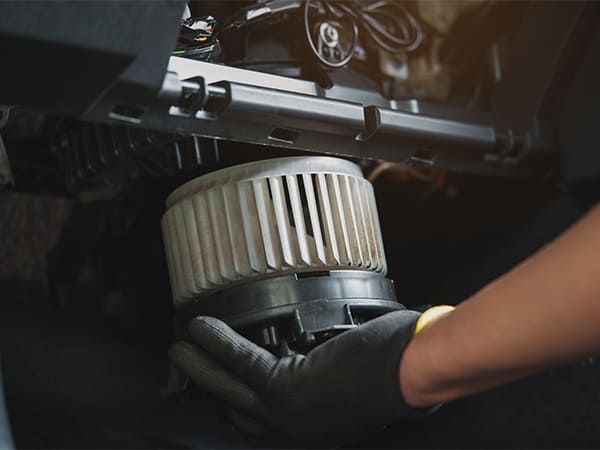
- No airflow at all: A blocked cabin air filter, bad blower motor or duct issue might be the cause.
Understanding these clues helps you decide when it’s a simple task (e.g., replacing the cabin filter) or when you need full diagnostics and repair.
The A/C Repair Process: What to Expect
1. Inspection & Diagnosis
A technician checks airflow, vent temperature, system pressures, and listens for unusual noises. Experts recommend annual checks and full servicing every 2 years.
2. Leak Detection
Since A/C systems naturally lose refrigerant over time, leaks are common. UV dye, pressure tests, and hose inspections help locate the issue.
3. Component Repair/Replacement
Depending on the problem, components like the compressor, condenser, dryer, or cabin filter may need replacement or cleaning.
4. Recharge & System Test
The system is evacuated, refilled with the proper refrigerant (R-134a or R-1234yf), and tested for cooling performance and pressure.
5. Final Checks
Technicians verify proper drainage, inspect condenser fins, check the cabin filter, and confirm the blower motor is functioning correctly.
Why Proper A/C Repair Matters in Denver (Altitude & Climate Effects)
Denver drivers face conditions that make A/C repair more critical:
- Higher ambient temperatures in summer and urban heat islands increase the load on A/C systems.
- Altitude effects: At higher elevation, the air is thinner, and while cooling may technically work similarly, the engine and accessories sometimes run hotter, affecting the A/C compressor and system efficiency.
- Short‐start trips and heavy loads: If you often drive uphill, carry gear (for skiing, hiking gear), or do many short trips (engine never fully warms), the A/C system may face greater stress.
- Dust, road grime and debris: Denver roads, especially when heading into mountain or rural areas, can mean more debris hitting the condenser, blocking airflow and reducing efficiency.
Because of these factors, what might work as a “routine” service in flat, temperate areas may require more vigilant repair and monitoring in the Denver/Front Range region.
Denver Driver Snapshot: How A/C Repairs Prevent Bigger Issues
John, a Denver metro SUV owner, commutes daily and takes frequent weekend trips along the Peak to Peak Highway. One summer, he noticed his A/C wasn’t cooling well after mountain drives and heard a faint hissing sound.
What the techs found:
- A slow refrigerant leak at a hose connection
- Debris clogging the condenser fins from off-road dust
- A moisture-saturated dryer/accumulator
What was done:
- Replaced the leaking hose
- Cleaned the condenser fins
- Swapped out the dryer
- Recharged the system with the correct refrigerant and oil
- Installed a new cabin filter
The result:
John’s A/C cooled reliably again, the hissing stopped, and post-drive cabin temps were much lower. By addressing issues early, he avoided a costly compressor failure and extended the system’s life—proof that Denver’s mountain conditions demand proactive A/C care.
Benefits of Timely A/C Repair
- Consistent cool air: No hot spots, no longer warm vents after long drives.
- Higher system efficiency: A well‑maintained A/C uses less engine power, which can translate to better fuel economy.
- Reduced risk of major failure: Addressing leaks or blocked components early can prevent compressor burnout or cabin comfort loss.
- Improved cabin air quality: Replacing cabin filters and cleaning evaporator reduces mold, mildew and unpleasant smells—especially important when the A/C is used for defogging or moderate climate use.
- Resale value & driver comfort: A reliable A/C adds to comfort and resale appeal, especially in regions where heat and altitude matter.
Stay Cool, Stay Prepared
In Denver’s unique driving environment, with its mixture of city traffic, mountain grades, elevation changes and summer heat, your car’s air‑conditioning system is under real stress. Don’t wait until the vents blow warm air or the compressor fails—understanding how your A/C works, recognizing warning signs and repairing problems early can save you discomfort, downtime and money. Whether it’s a simple cabin filter, cleaning condenser fins, or replacing hoses and recharging refrigerant, taking action keeps your ride comfortable all year.
Ready to keep your ride cool and comfortable? Want personalized guidance on your car’s air‑conditioning health around Denver and the Front Range? Contact our team of experts at Salta Automotive for a comprehensive A/C inspection and repair plan. Explore our related maintenance articles and book your vehicle’s service today!
FAQs
Why is my car’s A/C blowing warm air after a drive up from Denver to the mountains?
Climbing and higher elevation increase engine and accessory load, which can reduce A/C efficiency—check for blocked condenser fins, low refrigerant or a failing hose.
How often should I have my car’s A/C inspected in Denver?
Have a professional A/C check every 12 months and a full service (leak test, refrigerant check, dryer replacement) every 2 years—especially given Denver’s conditions.
What are the signs that my A/C system needs repair rather than just a recharge in Denver?
Signs include hissing noises (leak), weak airflow (filter or blower issue), warm air after recharging, frequent trips or off‑road driving—these suggest repair, not just recharge.
Can I fix my car’s A/C myself in Denver, or should I visit a shop?
Basic maintenance like replacing the cabin filter or clearing debris is possible, but refrigerant handling, leak detection and compressor work should be done by certified professionals.
Does the high altitude in Denver affect my car’s air conditioning system?
Yes—thinner air means less dense cooling; combined with engine heat and mountain driving, A/C systems face more strain—so higher vigilance and timely repair matter.