
If you’re cruising down I‑25 or navigating Denver’s hillier foothills, you might not think about your engine’s oil until something goes wrong. But when was your last oil change? Getting it wrong means risking costly engine wear. In this guide, we’ll explain how often you should get an oil change service in Denver, CO—drawing on real data, expert advice, and local driving conditions so you can protect your car and your budget.
What is an Oil Change and Why It’s Important
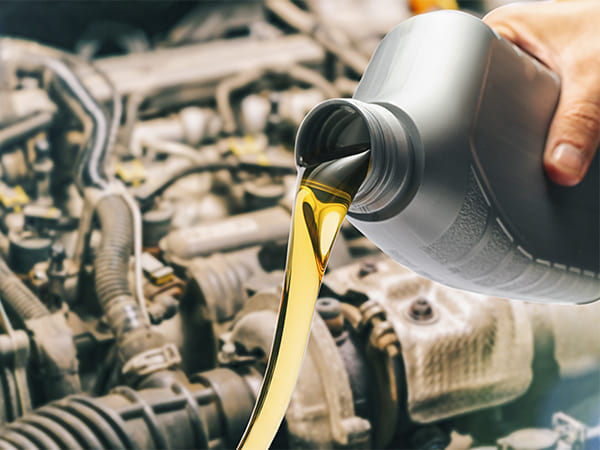
At its core, an oil change involves replacing your engine oil and oil filter to maintain proper lubrication, prevent wear, and remove contaminants. Oil acts like the bloodstream for your engine—carrying away heat, reducing friction and protecting moving parts. Over time, oil degrades, collects sludge, or loses its protective properties. According to experts, “oil decomposes, absorbs deposits, and loses its protective properties after a period of time—even if your car simply sits in the garage.”
In short: skipping or delaying an oil change invites premature engine damage, higher fuel consumption, and costly repairs down the road.
Benefits of Following a Tailored Schedule
- Better engine protection:
- Fresh oil maintains viscosity, clings to surfaces, and reduces wear. Waiting too long increases the risk of metal‑on‑metal contact.
- Improved fuel economy:
- Clean oil means smoother engine operation and fewer losses.
- Lower long‑term costs:
- A tune‑up (or oil change) is small compared to replacing a major engine component—so staying ahead makes good financial sense.
- Peace of mind & warranty compliance:
- Sticking to your manufacturer’s schedule ensures you’re covered and driving confidently.
- Environmental benefit:
- By using the correct oil at optimal intervals you reduce excess waste yet avoid unnecessary damage.
Driving Conditions in Denver, CO & How They Affect Your Interval
Since you’re driving in Denver, it’s important to factor in local conditions:
- Elevation & temperature swings. Denver’s altitude and seasonal extremes (hot summers, cold winters) can stress oil more than moderate climates.
- Short trips & stop‑and‑go traffic. If you’re commuting locally, running errands around town, or stuck in rush hour, your engine may never reach optimal operating temperature—this is classified as “severe service” for oil. According to one study, oil change intervals should be shorter under such conditions.
- Dusty roads, mountain driving, towing. If you head into the mountains with your vehicle, tow trailers, or drive on gravel/dirt roads, you’re placing more demand on your oil.
Given these factors, many Denver drivers effectively fall into the “severe” category rather than “ideal” conditions, meaning they should adjust their oil change schedule accordingly.
Practical Oil Change Schedule Guide for Denver‑Area Drivers
Here is a practical table to guide you:
| Scenario | Oil Type | Suggested Interval |
| Newer car (past ~2015), using full‑synthetic oil, mostly highway commuting | Full synthetic | Every 7,500 to 10,000 miles or 12 months, whichever comes first |
| Mixed city/highway driving, some short trips, standard synthetic or synthetic blend | Synthetic / synthetic blend | Every 5,000 to 7,500 miles or 6‑9 months |
| Frequent short trips, stop‑and‑go traffic, dusty or mountainous driving, towing | Any oil type | Consider every 3,000 to 5,000 miles or 3‑6 months |
As a practical example: If you live in Denver and your daily commute is 5 miles through stop‑and‑go traffic and you often make mountain trips—your engine may never fully warm up. In that case, changing oil closer to 5,000 miles makes sense.
Mark this rule: mileage and time both matter. Even if you haven’t reached 5,000 or 7,500 miles, if it’s been 12 months, the oil still likely needs changing. Many manufacturers recommend an annual change at minimum.
Real-World Example: City vs. Highway Driving
Sarah commutes daily from Aurora to Denver in stop-and-go traffic. Her short trips keep the engine cool, so she changes her synthetic oil every 5,000 miles or 6 months to avoid sludge and protect her warranty.
Mike lives in Boulder and takes long highway drives. His engine runs efficiently at higher speeds, allowing him to stretch oil changes to 7,500–10,000 miles.
Bottom line: Driving habits—not just oil type—determine the right oil change interval in Denver.
Standard Recommended Intervals & What the Data Says
In decades past, the “every 3,000‑mile” rule was gospel. But today, modern vehicles and oils have changed the game.
- Many manufacturers now list intervals of every 7,500 to 10,000 miles, or about 12 months, for modern synthetic oils.
- Some older or conventional‑oil models still benefit from more frequent changes: roughly 5,000 to 7,500 miles.
- Research shows the correct interval should depend heavily on how you drive—because “normal” conditions versus “severe” conditions make a big difference.
Common Misconceptions & Clarifications
- “3,000‑mile rule”:
- This is largely outdated; while safe, it’s often more frequent than necessary for modern vehicles.
- This is largely outdated; while safe, it’s often more frequent than necessary for modern vehicles.
- Synthetic means you can ignore it:
- Even synthetic oil breaks down over time or under severe conditions—it’s not a “set it and forget it” scenario.
- Even synthetic oil breaks down over time or under severe conditions—it’s not a “set it and forget it” scenario.
- Mileage only matters:
- Time matters too—oil oxidizes, absorbs moisture, and degrades even if parked.
- Time matters too—oil oxidizes, absorbs moisture, and degrades even if parked.
- All “severe service” is the same:
- No. Short trips, cold weather, dust, heavy loads, mountain terrain—each elevates the stress on the oil differently.
Your Denver Oil Change Schedule: What to Remember & Do Next
If you’re driving around Denver or the Front Range, tailor your oil change schedule to your driving habits, oil type, and local conditions rather than blindly following a one‑size‑fits‑all number. If most of your miles are short, your engine is cold on start‑up, or you drive through mountain terrain or dust—opt for shorter intervals in the 3,000–5,000‑mile range. If your driving is mostly steady highway cruising and your vehicle uses full synthetic oil—7,500–10,000 miles is reasonable.
By choosing the interval that fits you rather than guessing, you pay for what your engine needs—not more, and certainly not less. And in that sense, even a simple oil change plays a key role in protecting your vehicle’s lifespan and reliability.
Need personalized guidance for your vehicle’s oil change schedule or want to see what your manufacturer recommends? Reach out to our experts at Salta Automotive, and we’ll help tailor a maintenance plan that fits your driving lifestyle in Denver. Book an inspection or chat with us about your next service today.
Explore More: Related Reading
- “How Advanced Engine Diagnostics Are Changing Car Repairs in Denver, CO”
- “Why Regular Car Maintenance Is Important in Denver, CO”
- “What Services Do Auto Repair Shops Offer in Denver, CO?”
FAQs
How often should I change my oil if I drive from Denver to the mountains weekly?
If you drive regularly into mountainous terrain from Denver and your trip includes heavy loads or steep grades, you’re in a severe service category—change your oil every 3,000‑5,000 miles or 3‑6 months.
My car’s synthetic oil says “10,000 miles” on manufacturer spec—can I safely wait that long in Denver city driving?
Not always. If your city driving in Denver involves many short trips, stop‑and‑go traffic, or your engine rarely warms fully, it’s safer to shorten the interval to 5,000‑7,500 miles rather than waiting 10,000.
What oil change interval do older cars in Denver with conventional oil need?
For older vehicles using conventional (non‑synthetic) oil, follow a more conservative interval—every 5,000 miles or 6 months—especially in Colorado’s variable conditions.
Does time matter even if I haven’t driven many miles in Denver?
Yes—time matters. Even if you’ve driven only a few thousand miles, if it’s been 12 months, you should consider changing the oil. Moisture, condensation, and oil breakdown can degrade performance.
Will changing my oil more frequently than recommended harm anything?
Generally no—it won’t harm your engine. It may cost more and produce more waste, but better safe than sorry. However, changing too frequently won’t bring extra benefit if your oil is still in good condition and not under strain.